

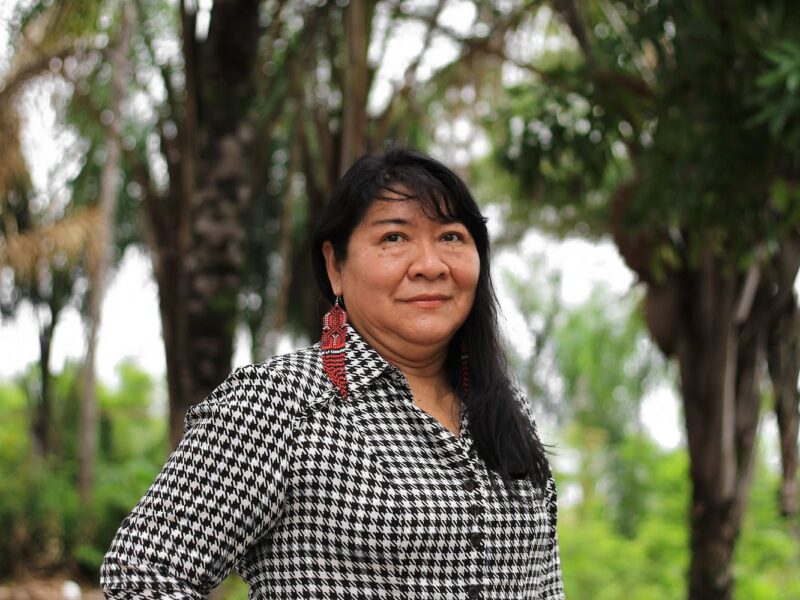
Funai’s new president, who took office on February 3, told InfoAmazonia in an interview that the [agency’s] budget for demarcating and protecting Indigenous Territories is approximately R$ 90,000, which means she will be looking for alternatives for getting the agency back up and working.
Category: type

Fake news helps concentrate wealth and favors destruction of the forest, says Marina Silva
In this interview, the former minister of the Environment and candidate for the Chamber of Deputies responds to the attacks she has suffered from pro-Bolsonaro influencers and speaks about how environmental disinformation works against the environment and discredits science.
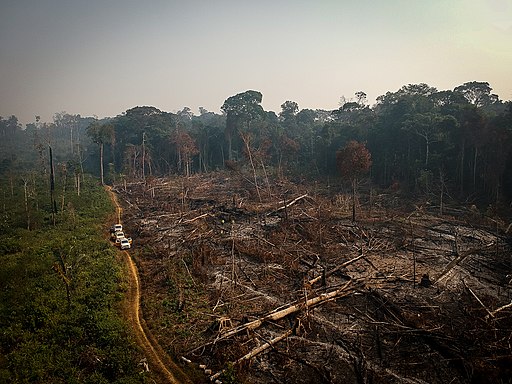
Luciana Gatti: ‘We are wrecking our rain-making factory’
A scientist at Brazil’s National Institute for Space Research, with almost two decades’ research on the Amazon for, has carried out a ground-breaking analysis of how deforestation puts agricultural production at risk and turns Brazil into a driver of climate change.
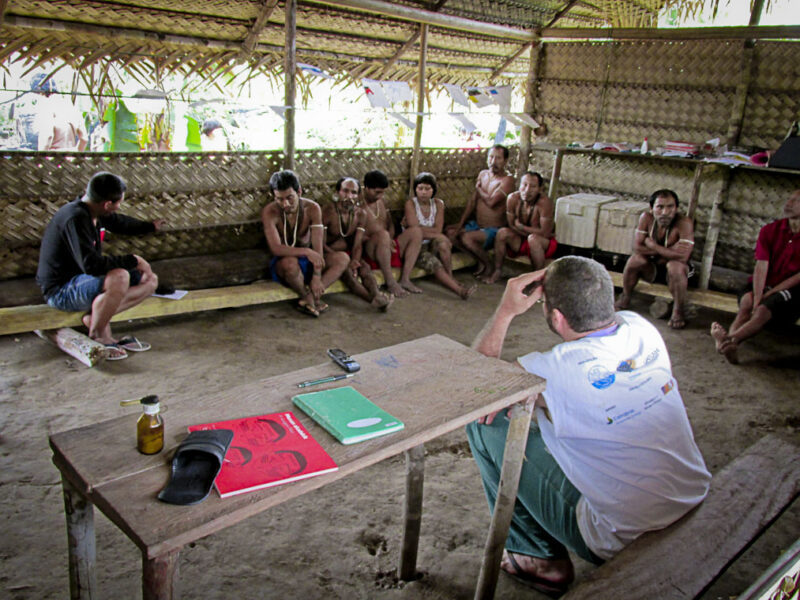
“The Javari Valley shows us how the words of a president can lead to an increase in crime”, says the indigenous defender Carlos Travassos
The murders of the indigenous defender Bruno Pereira and the British journalist Dom Phillips attracted the world’s gazes to the region of the Javari Valley, in the west of Amazonas. The second largest indigenous land in Brazil is home to the largest number of isolated populations in the world and has two National Indian Foundation […]
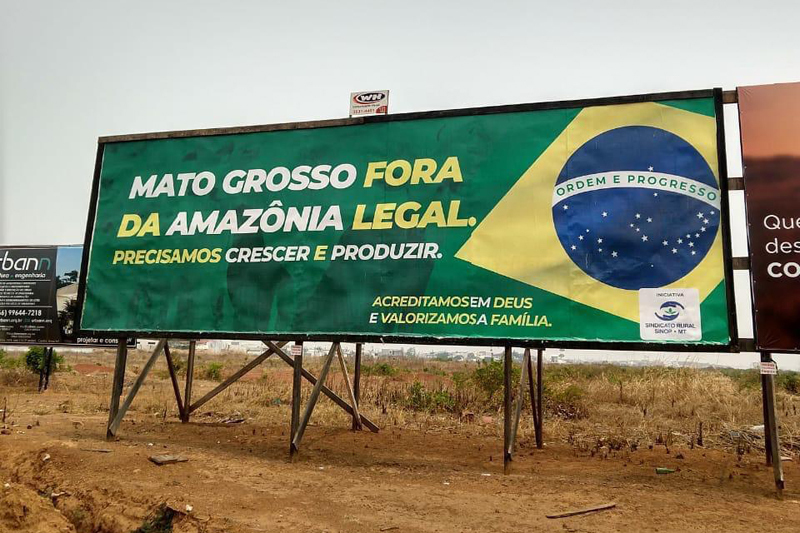
Proposal to remove Mato Grosso from the Legal Amazon allows deforestation of an area the size of Pernambuco
The measure can expand forest losses by at least 100,000 km² in the state, according to an analysis by the Forest Code Observatory, and harm socio-environmental and economic agendas throughout the country.
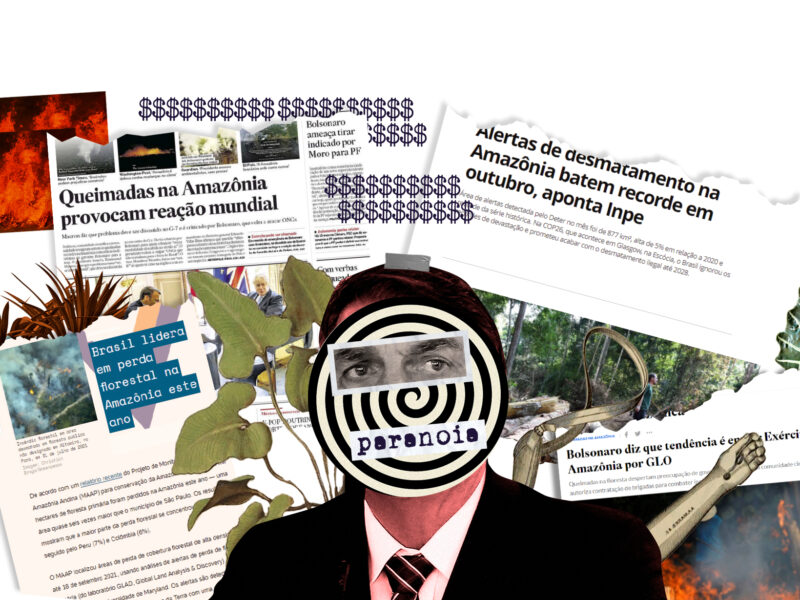
Risk to National Sovereignty in the Amazon Region is a Government Fallacy, says Izabella Teixeira
In interview, the former Minister of Environment points out which of the Bolsonaro Administration’s excuses she considers to be inappropriate and comments on the false content spread on social networks and reinforced in official statements
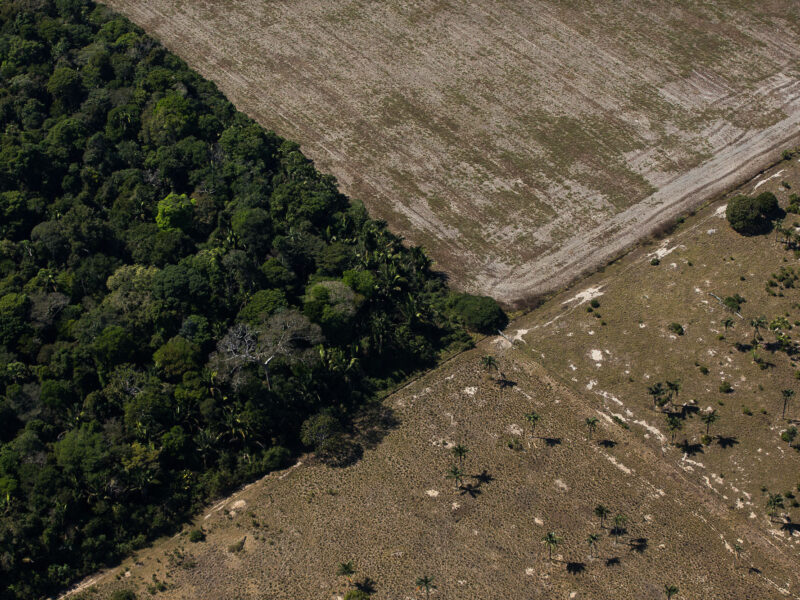
Researchers call for an international boycott of products linked to deforestation in the Amazon
Blocks such as the European Union should expand restrictions on purchases associated with deforestation and other impacts in tropical countries.
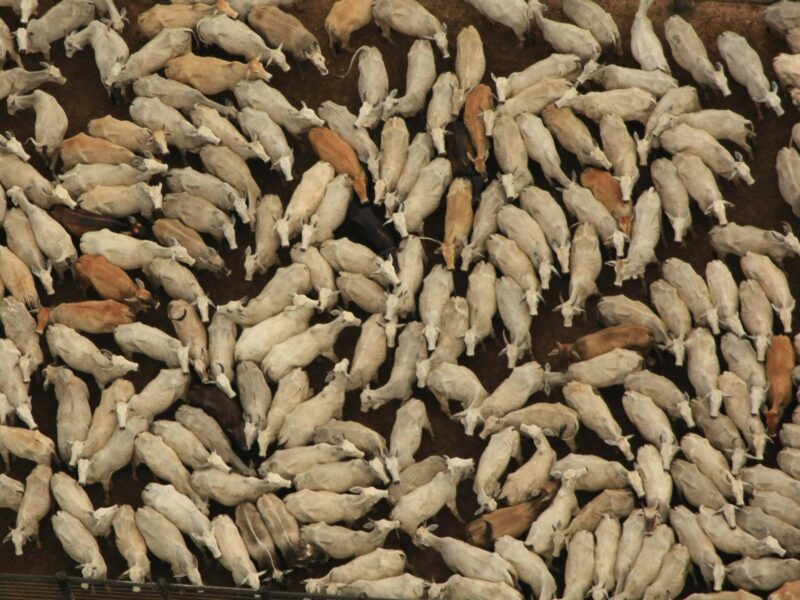
COP26: Explosive herd growth in the Amazon challenges Brazil’s cut in methane emissions
The regional herd has grown by almost 1000% since the 1970s and today represents over 40% of the total national amount. Brazil signed a commitment to reduce 30% of its greenhouse gas emissions by the end of the decade and will have to review its cattle husbandry practice in forest areas.
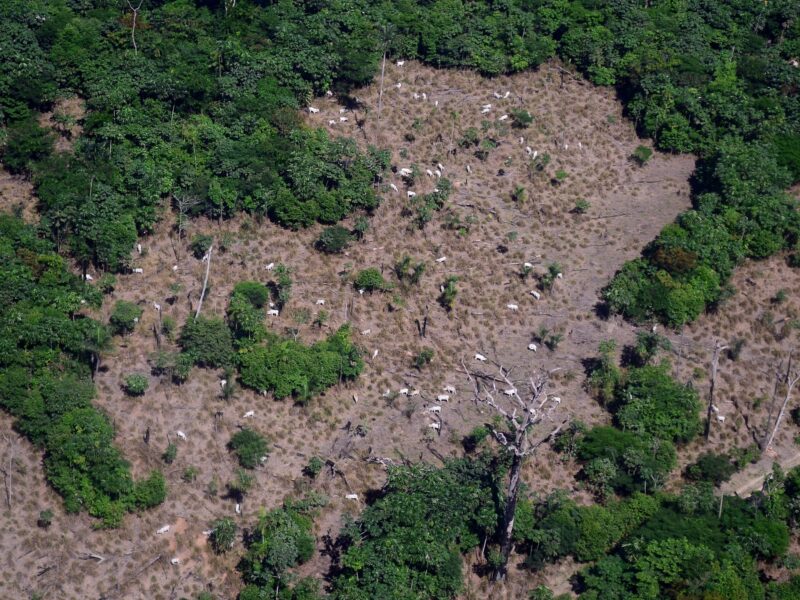
Meat production in the Amazon should undergo thorough inspections
Agreements to regulate husbandry in Pará have advanced and serve as a model for adapting the production chains of other Amazonian states. Pará is the leader of the initiative.
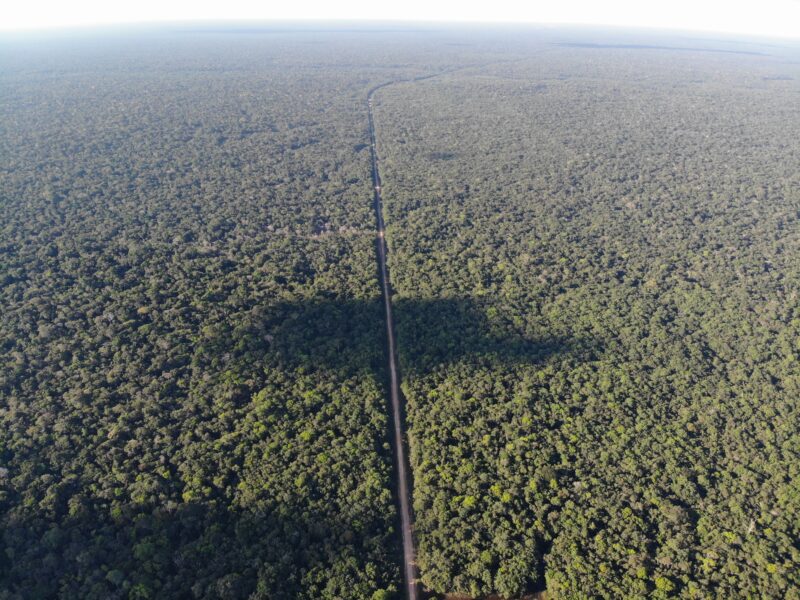
“Construction works on the BR-319 highway are politically motivated”
The executive secretary of the BR-319 Observatory, Fernanda Meirelles, tells about how the renovation plans for a stretch of almost 500 km advanced, trampling indigenous rights and ignoring incomplete environmental studies. This highway may aggravate deforestation in southern Amazonas, a region which already breaks records month after month.