

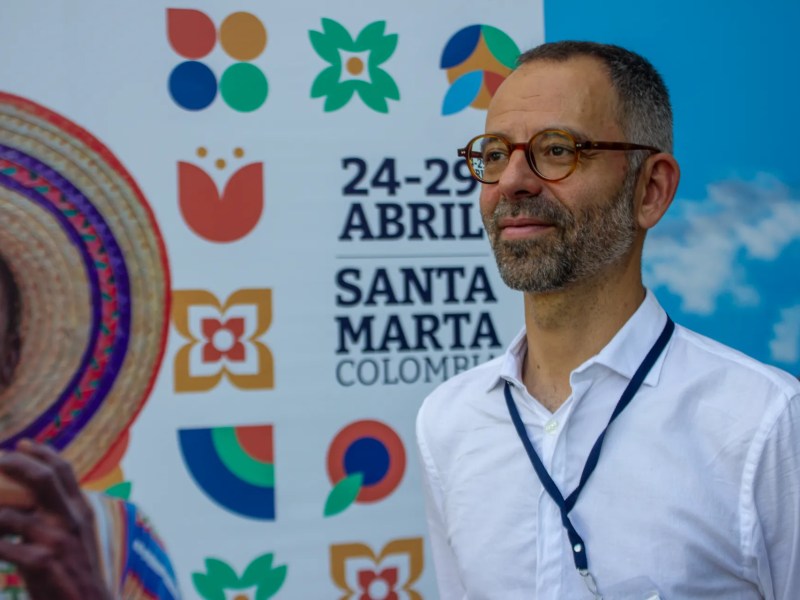
Part of the Global South, including Brazil, argues that developed countries should move away from fossil fuels before others. For Martí Orta from the University of Barcelona, there is no room for different national paces when phasing out oil, gas, and coal. Furthermore, the researcher states that the opening of new exploration projects ignores the limits defined by science.
Category: type

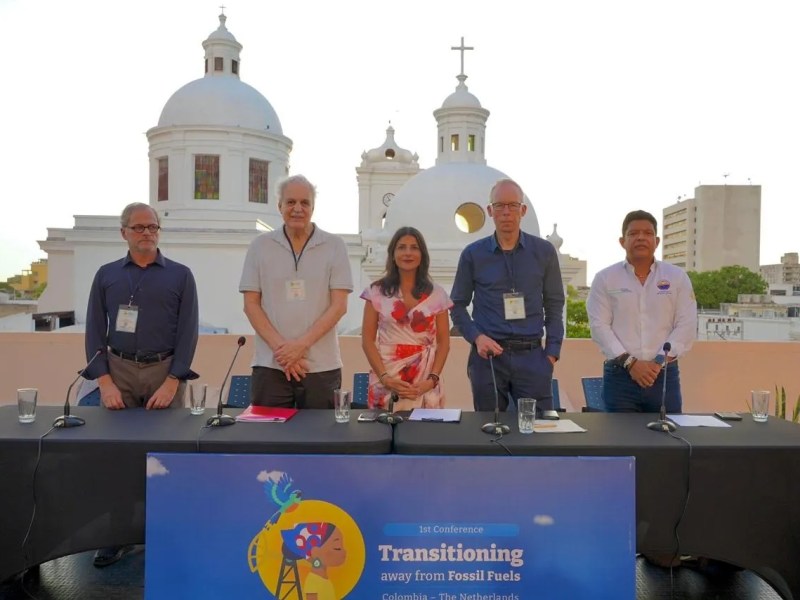
In Santa Marta, scientists show that overcoming oil is inevitable
Conference in Colombia considers scientific knowledge as a core factor in guiding nations towards a fossil fuel-free economy; the initiatives announced this week will inform a final agreement among political leaders and create a permanent forum to assist in the implementation of practical actions.
Wait, could this be a climate conference that actually works?

As the war with Iran exposes the risks of fossil fuels, the 1st International Conference on the Transition Away from Fossil Fuels brings together, in the Colombian city, a “coalition of the willing” seeking a global plan to phase out oil, gas, and coal.
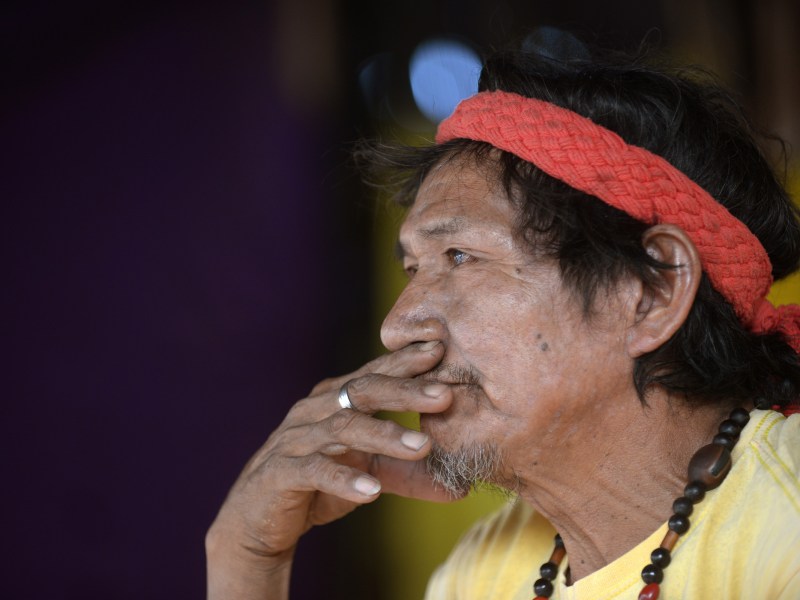
Eneva is authorized to drill the only active gas block on Indigenous Land in the Legal Amazon
Over 75% of the Krenyê territory, in the Brazilian Maranhão state, overlaps a block granted for fossil exploration where drilling could begin in 2026. Allegedly to help the energy transition, expansion of production at the Parnaíba Thermoelectric Complex bets on energy generation and the transformation of the MATOPIBA area into a logistics corridor for gas and grains, impacting quilombola territories and protected areas.

Women Environmental Defenders from the Amazon and Africa Draw Parallels from the Frontlines of the Climate Crisis at COP30
Juma Xipaia and Joanita Babirye, two leaders from the Global South, report on violence, funding barriers, and the erasure of women in climate policy— and advocate for the conference to recognize those who support real solutions in the territories.

Colombia declares itself the first nation in the Amazon with its entire forest free from oil and mining activities
Colombia’s minister of environment and sustainable development, Irene Vélez Torres, made the announcement Thursday (Nov. 13) at a meeting of Amazon Cooperation Treaty Organization (ACTO) ministers during COP30.

The Amazon rainforest emerges as the new global oil frontier
Half a century of oil exploration has left the world’s largest rainforest scarred by deforestation, water contamination and air pollution. Indigenous lands have been infringed and economic disparities exacerbated. Now a new wave of drilling threatens to perpetuate this destructive legacy.

Energy transition creates a race for strategic minerals with 5,000 applications in the Amazon
Copper, lithium and nickel, among others, are raw materials used to produce electric vehicles, batteries, wind turbines, and solar panels. The Amazon holds part of these minerals, and large companies want to exploit it. Most mining applications are in Pará state, and some of them will have direct impact on areas located in Indigenous Lands and Conservation Units.
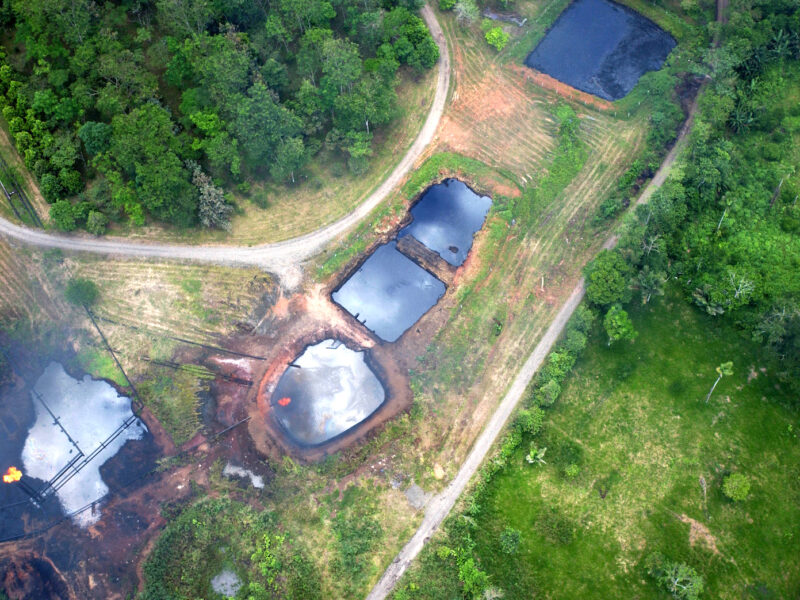
In the Ecuadorian Amazon, oil threatens decades of Indigenous-led conservation
Ecuador’s Socio Bosque project has been key to safeguarding the rainforest. Now the country’s state-owned oil company is exploiting its many loopholes.

Drug gangs threaten communities in Amazon ‘cocaine corridor’
Indigenous, African-descended and other traditional communities are caught in escalating violence from drug trafficking in Amazon “cocaine corridor.”