



An InfoAmazonia investigation found patterns of illegal gold laundering in the Tapajós River basin in Pará state, where Indigenous communities like the Munduruku people face mercury contamination from mining activity.
Posted innews / Oil
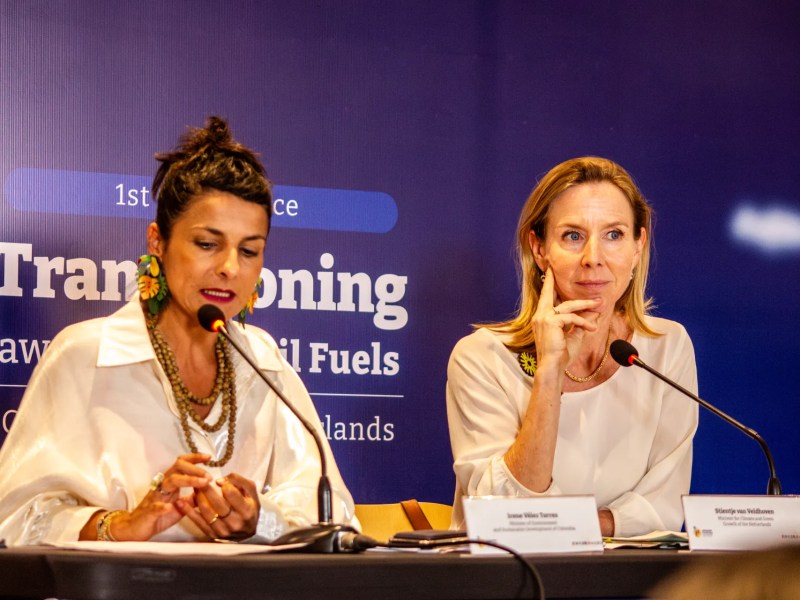
The post-fossil fuel world begins to take shape in Santa Marta
The 1st Conference for the Transition Away from Fossil Fuels for the first time brought together countries willing to discuss how to leave oil, gas and coal behind, concluding with clear signs it will not be a one-off event but the start of an ongoing transition. Brazil arrived as a pivotal player in the debate but left embarrassed after the publication of its proposed national energy transition plan.
Posted innews / Oil
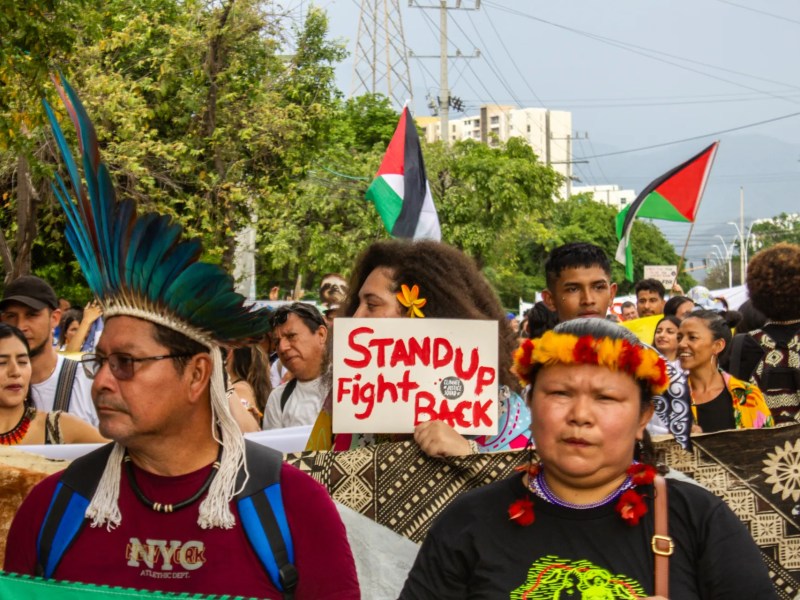
‘Cloaked colonialism’: Indigenous Peoples criticize just transition model that does not protect their territories
Representatives of Indigenous Peoples from different countries are asking that projects using critical minerals or related to the green economy, such as carbon credits, be based on the premise of not affecting Indigenous rights and their territories. Furthermore, they demand a leading role in conferences, not only when proposing solutions, but also when making decisions alongside governments.
Posted inInterview / Oil
Scientist argues for the need to cancel fossil fuel contracts and says there is ‘no time’ for transitions at different paces
Part of the Global South, including Brazil, argues that developed countries should move away from fossil fuels before others. For Martí Orta from the University of Barcelona, there is no room for different national paces when phasing out oil, gas, and coal. Furthermore, the researcher states that the opening of new exploration projects ignores the limits defined by science.

Posted innews / Oil
In Santa Marta, scientists show that overcoming oil is inevitable
Conference in Colombia considers scientific knowledge as a core factor in guiding nations towards a fossil fuel-free economy; the initiatives announced this week will inform a final agreement among political leaders and create a permanent forum to assist in the implementation of practical actions.
Posted inOil
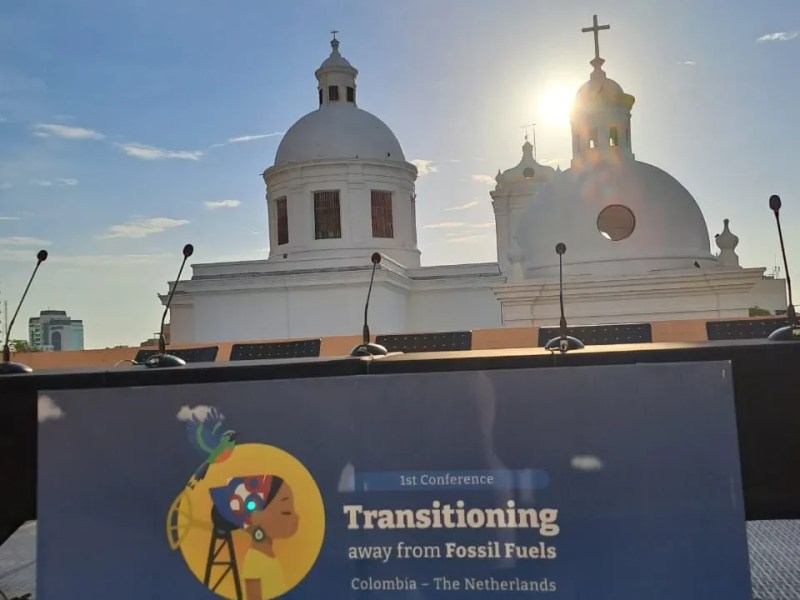
Outside the COP dead end, a conference in Santa Marta tests a new path to move away from fossil fuels
A meeting in a Colombian city aims to contribute to a roadmap towards the end of oil, gas and coal, which was proposed at COP30 but should only be presented in November 2026. In addition, the country’s Minister of the Environment promises to discuss actions without the constraints of the oil industry lobby.
Posted inlong form / Protected Areas
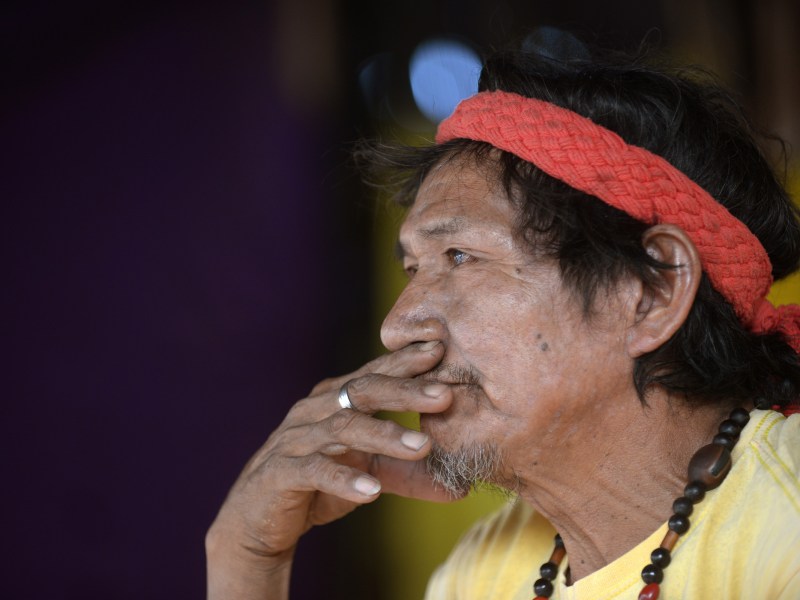
Eneva is authorized to drill the only active gas block on Indigenous Land in the Legal Amazon
Over 75% of the Krenyê territory, in the Brazilian Maranhão state, overlaps a block granted for fossil exploration where drilling could begin in 2026. Allegedly to help the energy transition, expansion of production at the Parnaíba Thermoelectric Complex bets on energy generation and the transformation of the MATOPIBA area into a logistics corridor for gas and grains, impacting quilombola territories and protected areas.

Posted inCOP30
Without global consensus, Brazil seeks a roadmap with scientists and oil companies to keep the fossil fuel phase-out proposal alive
Amid diplomatic progress and domestic contradictions, Brazil tries to turn its proposal to gradually eliminate oil, gas, and coal into a global roadmap. Studies backing the roadmap presented in Belém are set to involve international agencies, scientists, and representatives from the oil sector, while the country keeps exploration of new reserves in the Amazon open.
Posted inCOP30
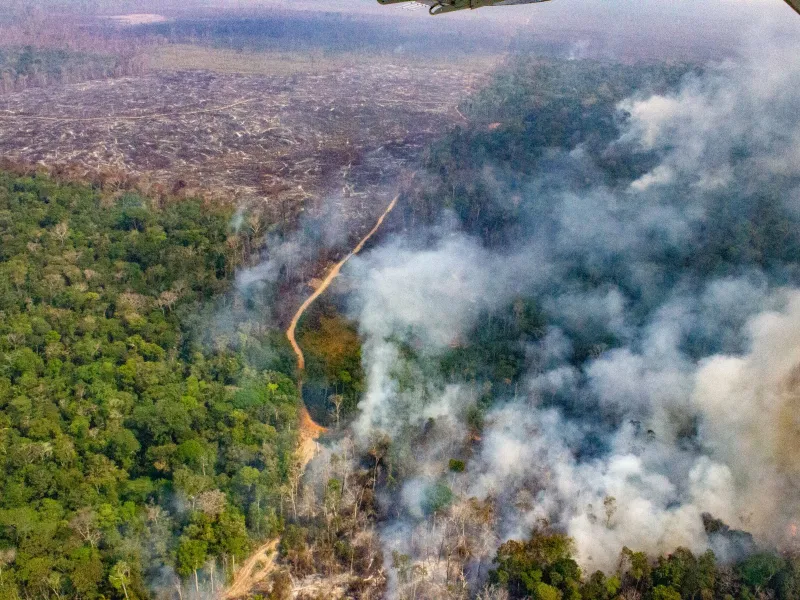
At COP30, Researchers Call for Expansion of Brazil’s Zero Deforestation Target by 2030
Given the climate emergency, the federal government’s plan should include forest degradation, align targets with states, and improve rural credit, say researchers in Belém.
Posted inCOP30
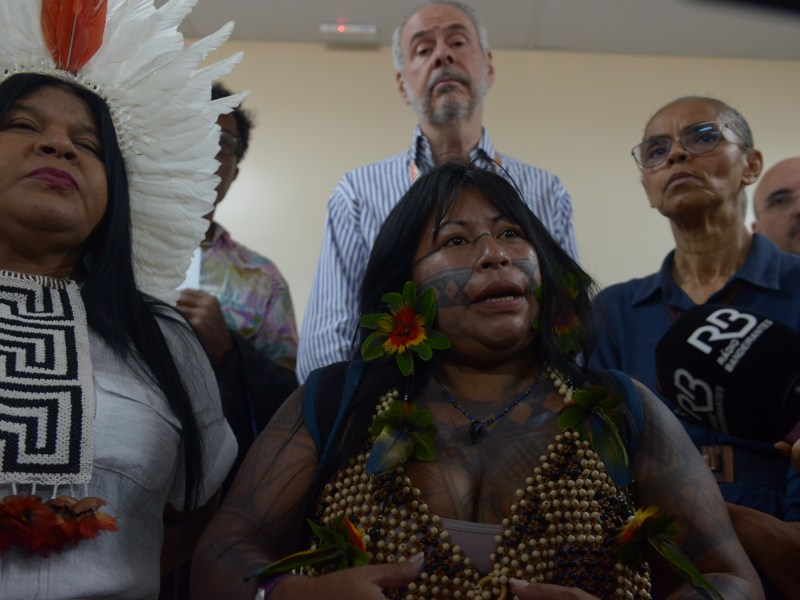
Brazilian government announces demarcation of two Indigenous territories following Munduruku protest at COP30
Munduruku Indigenous People demanded the demarcation of their territories and the revocation of infrastructure projects affecting their lands; the movement held a peaceful demonstration in front of the Blue Zone, a space where climate negotiations take place.