
A meeting in a Colombian city aims to contribute to a roadmap towards the end of oil, gas and coal, which was proposed at COP30 but should only be presented in November 2026. In addition, the country’s Minister of the Environment promises to discuss actions without the constraints of the oil industry lobby.
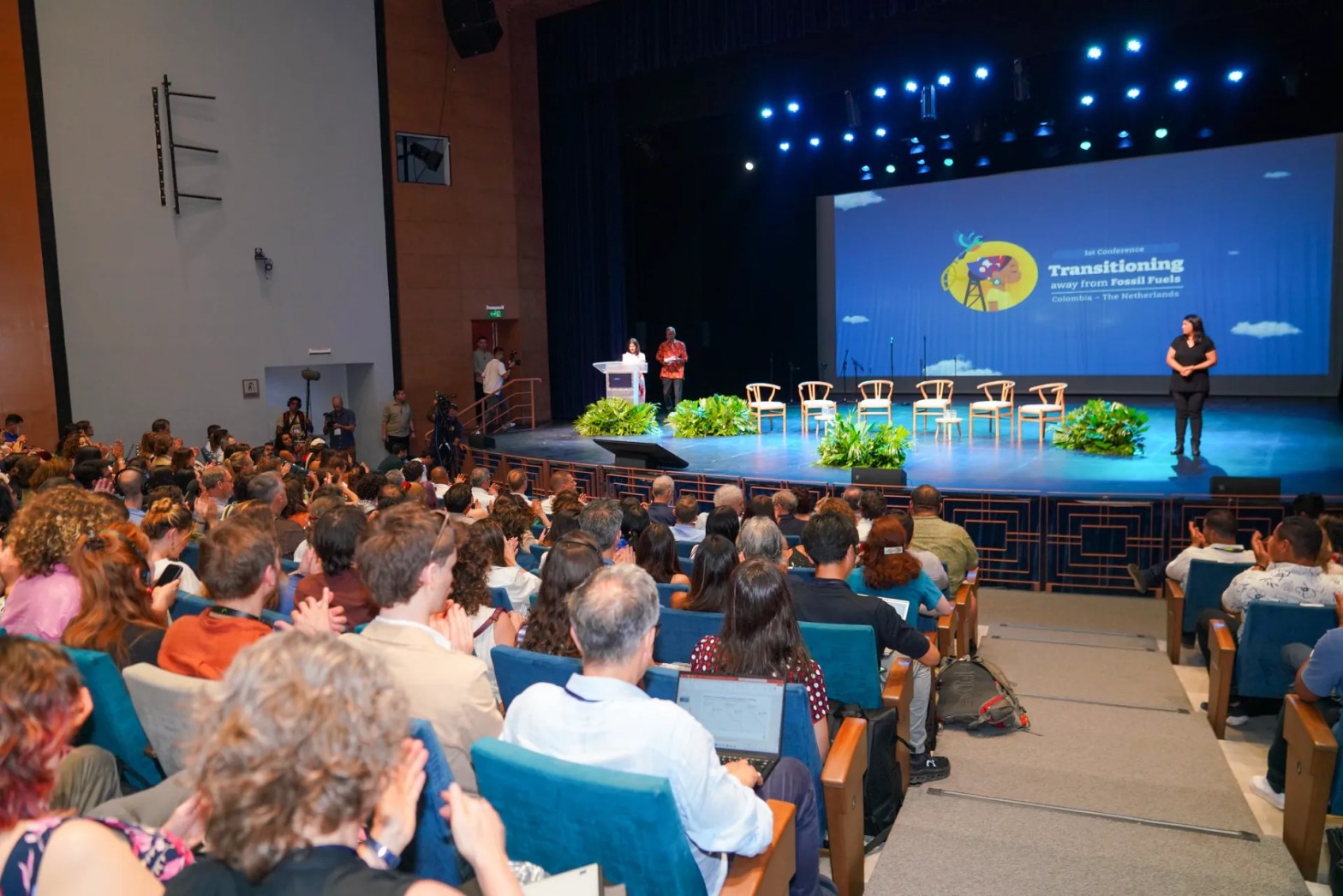
Representatives from 56 countries of the Global North and South are gathered in Santa Marta, in the Colombian Caribbean, to seek concrete paths towards the end of fossil fuels. The 1st International Conference on Transitioning Away from Fossil Fuels takes place from Friday (24) through Thursday (29), putting the climate agenda’s main villain – where traditional climate negotiations have failed – back at the center of the debate.
During the 30th United Nations Conference on Climate Change (COP30), in November 2025, in Belém, Brazil, 24 countries had already signaled their presence at this new round of discussions in Santa Marta. Five months later, attendance more than doubled, indicating growing international coordination around the need to move from paper to implementation.
In this movement, Brazil plays a strategic role. Also during COP30, President Lula (PT) advocated the construction of a global “roadmap” to guide the transition and the end of fossil fuels. The proposal mobilized a group of countries behind the scenes, led by Colombia and the Netherlands, but ended up being watered down in the final text of the conference, which was approved without clear targets for reducing dependence on oil, gas and coal.
Santa Marta emerges as a consequence of the unease left by the outcome of COP30, which ended up being limited by the traditional climate conferences model where adoption of new policies depends on consensus among all UN member countries.
“What we want here is to join efforts, to think together. What interests us is the coalition, the collective. What can we do together that each country cannot do separately?”, Colombia’s Minister of the Environment Irene Vélez Torres said on Friday afternoon during the opening of the conference.
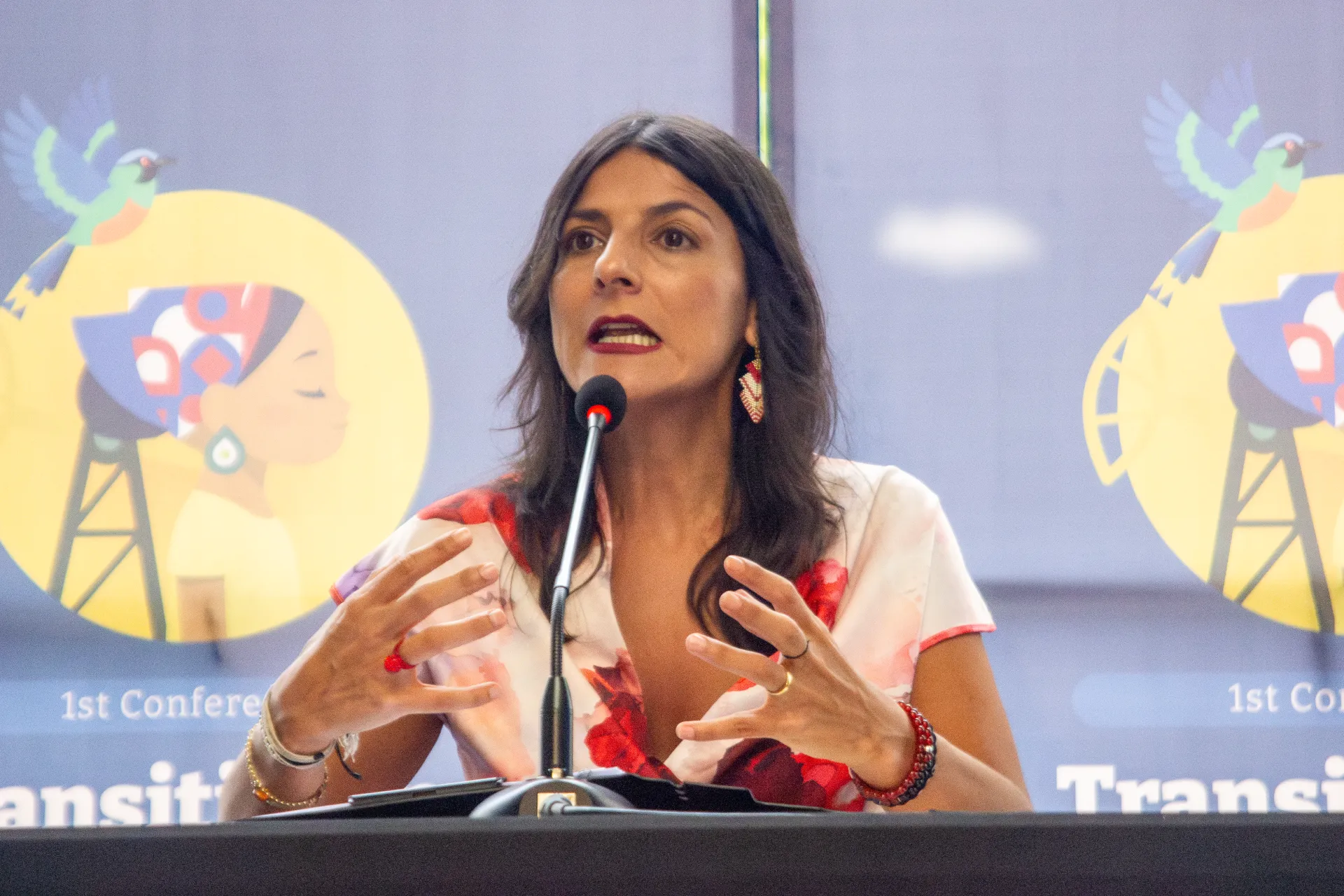
“We know that this means rethinking the challenges of summits of parties, the challenges of multilateral climate realism. Therefore, we see ourselves as complementary – a complement that is, so to speak, freer and hopefully more honest,” she added. Vélez Torres also stated that the meeting is “free from the oil industry lobby” and has “no hidden agendas.”
In Colombia, the idea is to create a space focused on implementation rather than just negotiation. The choice of the host country is not accidental. Despite still depending on exploration and export of fossil fuels, the government of Gustavo Petro has been trying to reposition its energy policy by adopting a discourse favorable to the transition.
During COP30, Vélez Torres declared the entire Colombian Amazon as an oil-free zone. This Friday, the minister kicked off the conference using the country’s own example, by “showing that the transition is viable” and announcing that she had decided “not to grant new oil and gas contracts and not to expand the coal industry.” In addition, she extended this oil-free zone commitment to the Sierra Nevada, the planet’s largest coastal mountain range, considered the heart of the world by indigenous peoples.
Santa Marta is Colombia’s oldest city, also known for being one of the largest and most strategic coal exporting ports in the world. According to Vélez Torres, this stresses the symbolism of hosting a meeting that discusses precisely the end of this economic model.
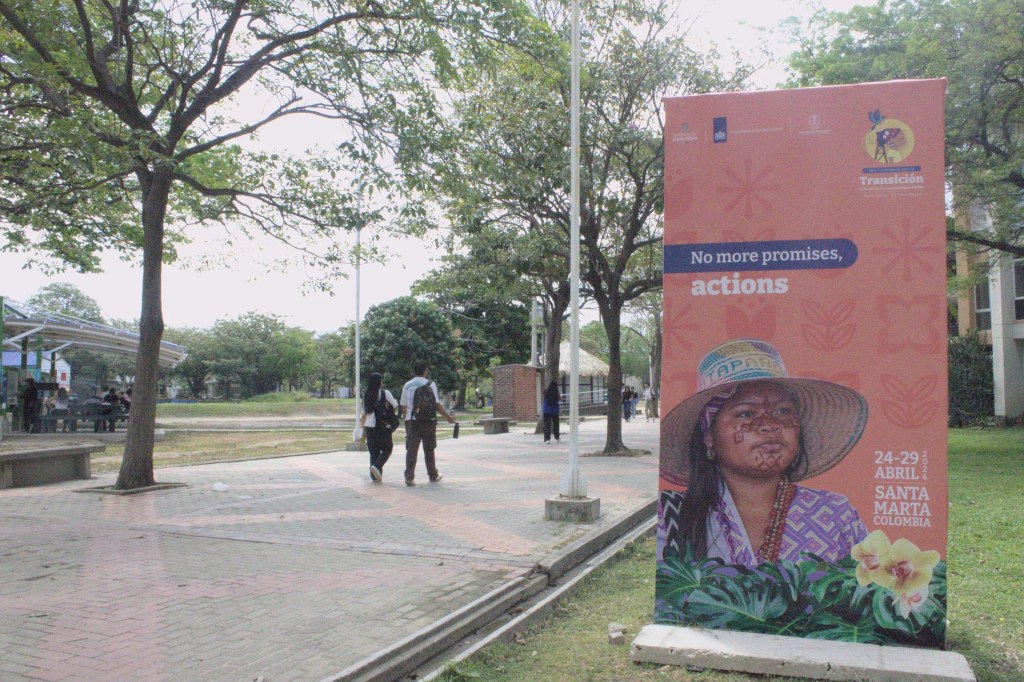
Vélez stated that, as a result, the conference should directly engage with Brazil’s initiative by seeking to advance precisely where formal negotiations have stalled: in building concrete pathways for implementation. The meeting is expected to produce a report from countries and organizations, which will be officially delivered to the presidencies of COP30 and COP31 as contributions to what President Lula called a roadmap.
The goal is to contribute politically and technically to that roadmap, which Brazil intends to present in November 2026, still during its presidency of COP30, in addition to feeding into and putting pressure on future negotiations within the UN system.
A new conference indeed
After more than three decades of annual conferences, fossil fuels were only explicitly mentioned at COP28, when nearly 200 UN member countries committed to a “transition” away from fossil fuels.
Two years later, COP30, in Brazil, ended without progress on the issue. The text agreed upon by the nations avoided direct commitments to eliminate dependence on fossil fuels
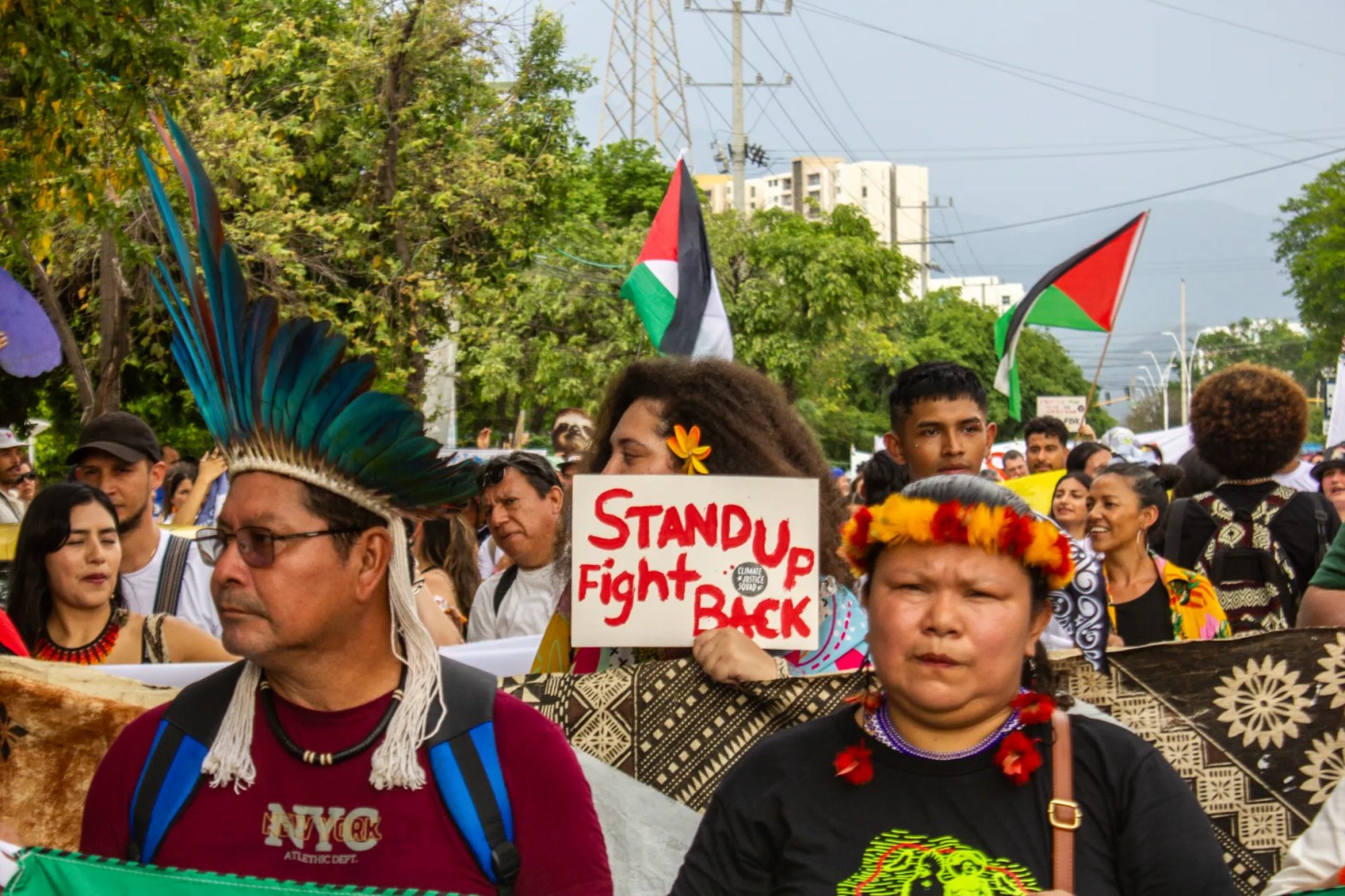
Now, what is emerging in Santa Marta is an unusual rearrangement on the climate negotiations’ chessboard. The conference opens room for more vulnerable nations and historically marginalized actors such as Pacific islands, Indigenous Peoples, scientists, and civil society organizations to increase their direct participation in designing solutions, thus shifting the traditional climate decision axis.
“The decision on how we are going to plan the phasing out of fossil fuels does involve the creation of territories for life, exclusion zones for extractive activities, accelerated zones, zones that should be prioritized for gradual closure,” said Vélez Torres.
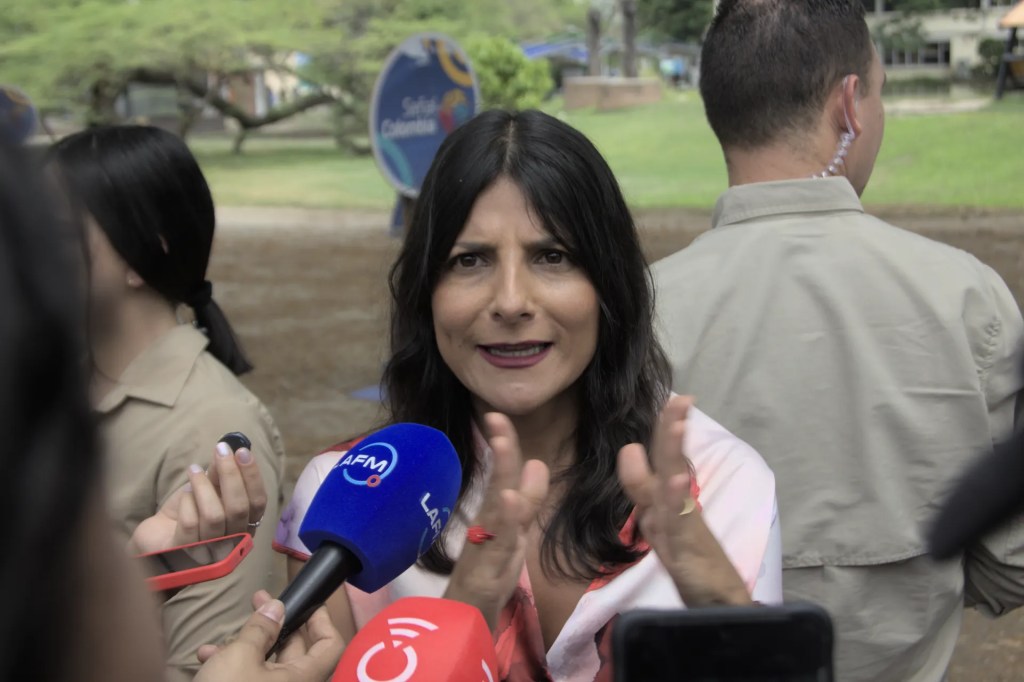
The decision on how we are going to plan the phasing out of fossil fuels does involve the creation of territories for life, exclusion zones for extractive activities, accelerated zones, zones that should be prioritized for gradual closure.
Irene Vélez Torres, Minister of the Environment
On one side, the main powers in terms of using fossil fuels are absent: China, India, and the United States. On the other, a mixed bloc is beginning to consolidate, bringing together central economies of the Global North such as Canada, Germany, the United Kingdom, Norway, and the European Union, as well as countries of the Global South that also depend heavily on the exploration of oil, gas and coal such as Brazil, Mexico, Tanzania, and Vietnam.
The hope is that this combination, which includes the economic weight of participating nations and the pressure from the most affected territories, will be able to produce something that has so far escaped major climate summits.
The Colombian minister stated that countries like the US and Russia were not invited to the conference because they openly promote an “extractive agenda.” China was invited only for the private segment. “We didn’t want to fall into the same routine as the Conferences of the Parties, with participants that are precisely opposed to the central debate – that is, overcoming fossil fuels.”
The format also alters the traditional dynamics of the negotiations, historically concentrated on major powers. In Santa Marta, countries that are more vulnerable and directly affected by climate change are taking center stage in defining solutions, in a movement that seeks to rebalance the relationship between the largest emitters and those who suffer the strongest impacts.
Therefore, the new conference attempts to operate outside of this structural blockage. By bringing together only countries and actors willing to move forward, it bets on the idea that a smaller but aligned group can create political and technical pressure to unlock the global debate.
Method is another core element. Instead of a final document negotiated line by line as happens at COPs, the meeting should produce a set of collaboratively built proposals and experiences. Contributions from civil society, academia, and different industries will be incorporated.
“This is the first conference, and it does not aim to end this conversation or produce a binding decision, but it must point out paths. As the countries that are ready, they can support each other, accelerate action and structure these processes,” says Stela Herschmann, a climate policy expert at the Climate Observatory. According to her, one of the key points will be the connection between Santa Marta and the process led by Brazil’s COP30 presidency: “These processes run in parallel, but they should inform each other, which can be very important.”
This is the first conference, and it does not aim to end this conversation or produce a binding decision, but it must point out paths. As the countries that are ready, they can support each other, accelerate action and structure these processes
Stela Herschmann, climate policy expert at the Climate Observatory
The final material from the conference is expected to guide national policies and feed into the next cycles of climate diplomacy. More than an isolated event, Santa Marta intends to consolidate itself as a new hub for political coordination for countries that advocate energy transition.
As a result, until next Thursday, the Colombian city should be a political and technical laboratory, a less restricted, more experimental space that attempts to answer a question: if there is scientific consensus on the need to move away from fossil fuels, what is still preventing it from happening?
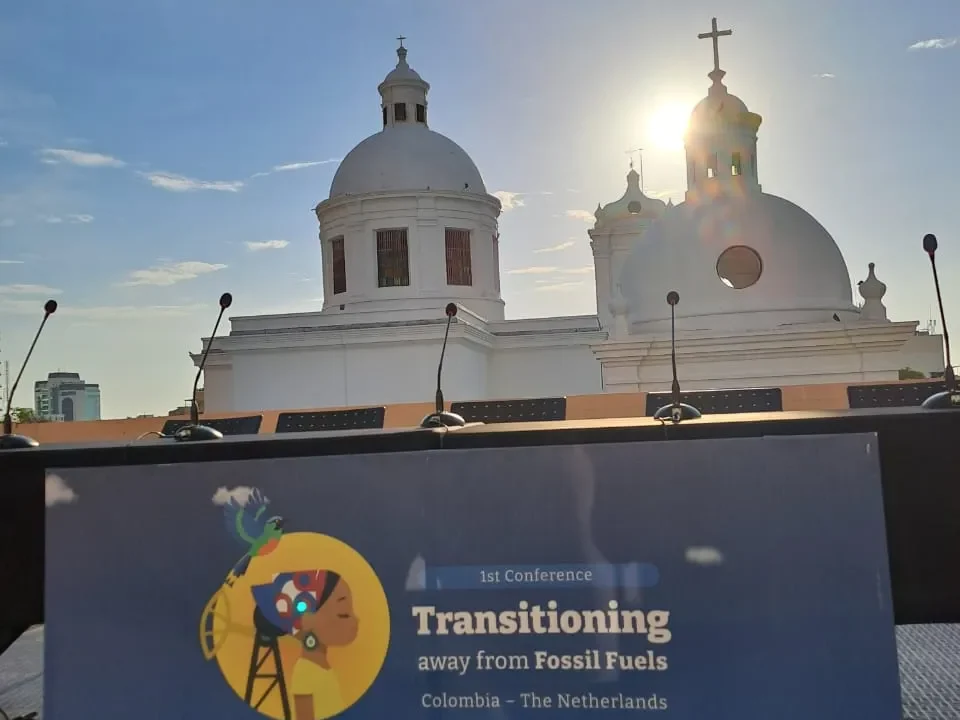
Opening image: Late afternoon in the city of Santa Marta, Colombia, where the 1st International Conference on Transition Away from Fossil Fuels is taking place. Photo: Fábio Bispo/InfoAmazonia
This story was produced with support from the Global Greengrants Fund and the Climate and Land Use Alliance.