

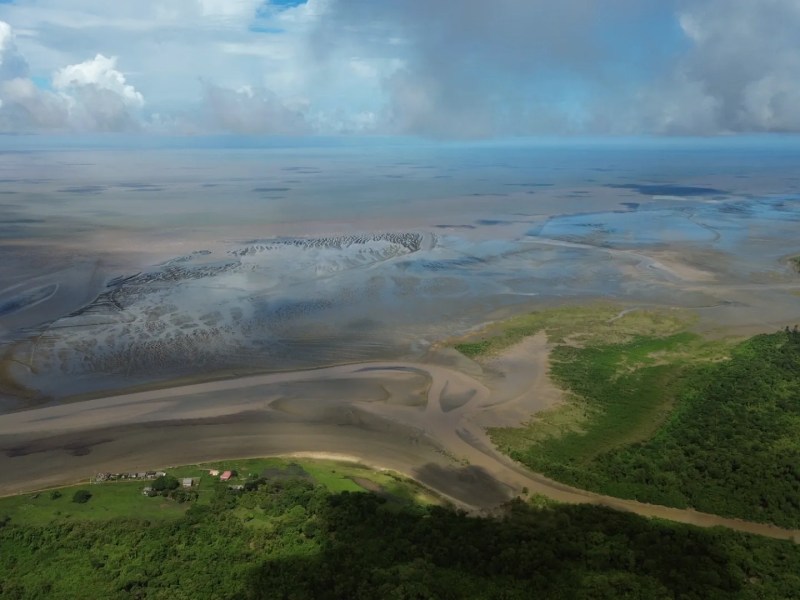
Sea level at the mouth of the river with the largest flow on Earth has risen 12.4 cm in three decades, eroding riverside territories and reshaping the local economy, according to an unpublished analysis. Intense rains and droughts in the Amazon are altering the interaction between the river’s mouth and the Atlantic Ocean, driving higher tides and coastal salinization. The effects of these changes are already visible in the availability of the species most commonly caught along the Amazon coast. They are also closely tied to deforestation on the continent: by 2050, a 45% reduction in forest cover could weaken the force with which the Amazon’s plume reaches the Atlantic.
Category: Topics
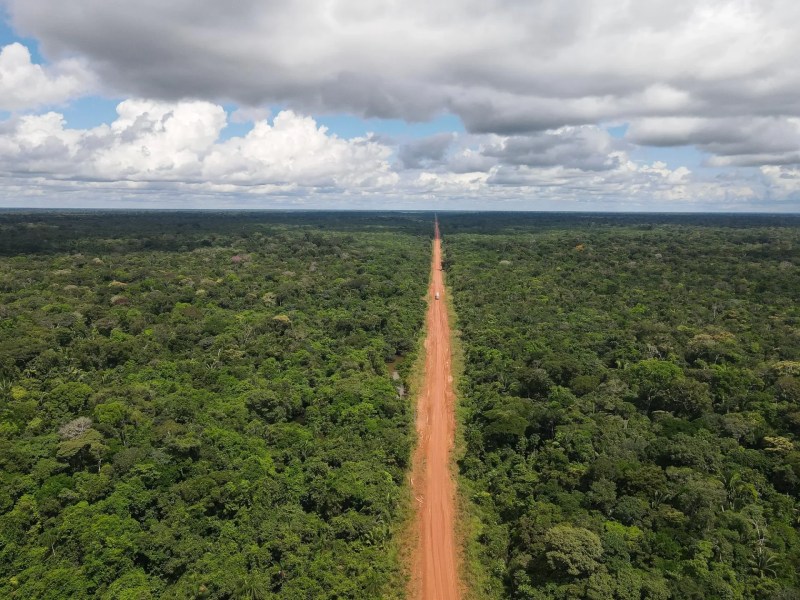
Welcome to the 319: The road that will determine the fate of the Amazon
The BR-319 runs through a largely untouched stretch of the rainforest. A new initiative to pave it could put the Amazon — and the global climate — at risk.

Gold, excavators and rifles: armed groups and militias control the Sararé Indigenous Territory
Operating within the ancestral territory, the Comando Vermelho vies for control alongside schools, health clinics, the local office of Brazil’s federal agency for Indigenous affairs (Funai), garimpeiros and militias, while controlling the machinery driving deforestation in Mato Grosso, a Brazilian state that borders Bolivia.
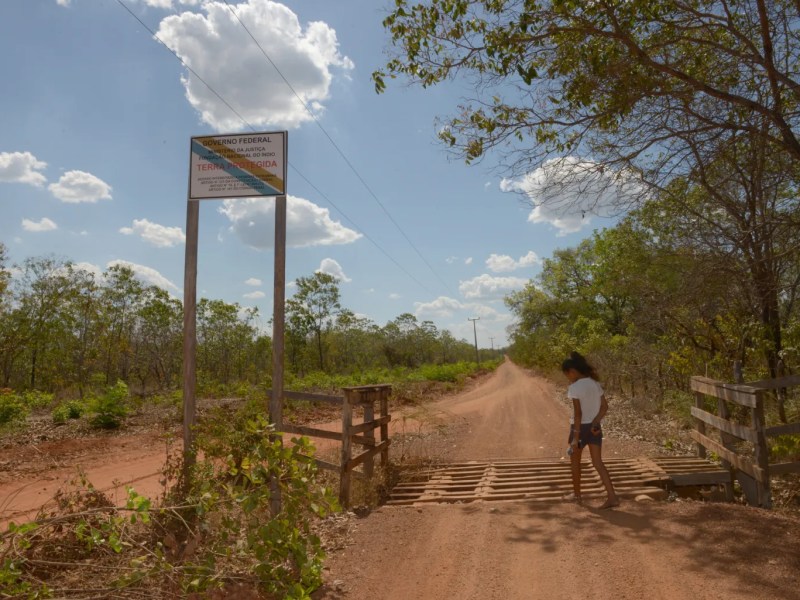
Eneva withdraws from three natural gas blocks that had encroached on Krenyê indigenous land and Quilombola territories in Maranhão, Brazil
Eneva withdraws from three natural gas blocks that had encroached on Krenyê indigenous land and Quilombola territories in Maranhão, Brazil

The Brazilian government keeps giving out mining licenses in the Amazon – in spite of evidence of gold ‘laundering’
An InfoAmazonia investigation found patterns of illegal gold laundering in the Tapajós River basin in Pará state, where Indigenous communities like the Munduruku people face mercury contamination from mining activity.
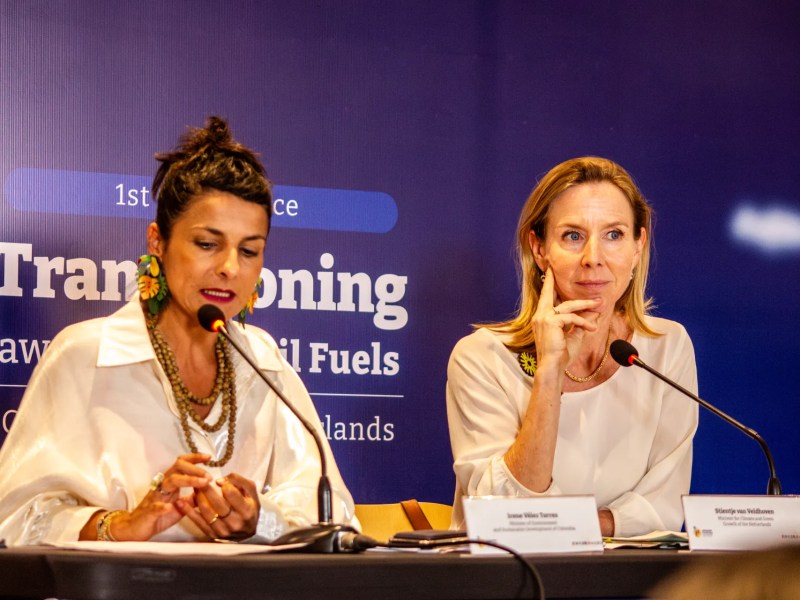
The post-fossil fuel world begins to take shape in Santa Marta
The 1st Conference for the Transition Away from Fossil Fuels for the first time brought together countries willing to discuss how to leave oil, gas and coal behind, concluding with clear signs it will not be a one-off event but the start of an ongoing transition. Brazil arrived as a pivotal player in the debate but left embarrassed after the publication of its proposed national energy transition plan.
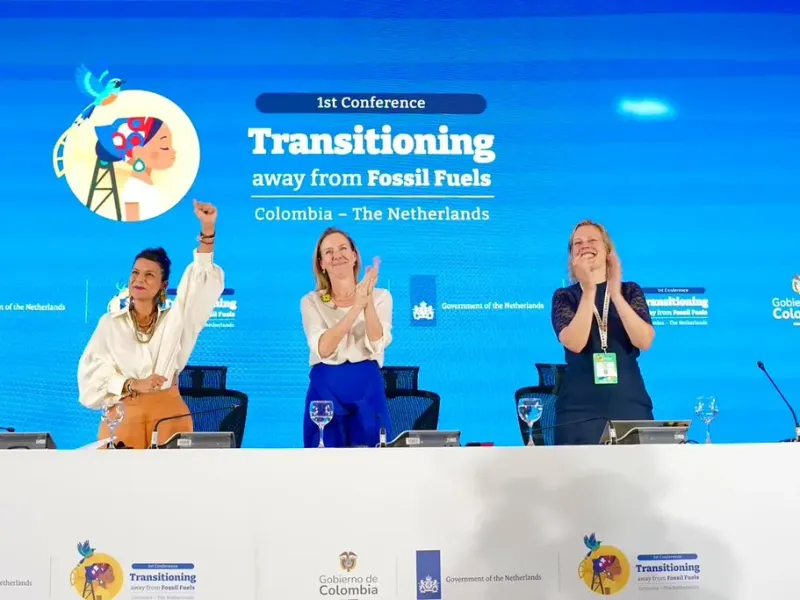
Santa Marta May Be a Game-Changing Moment

A critical mass of countries begins mapping a fossil fuel phaseout.
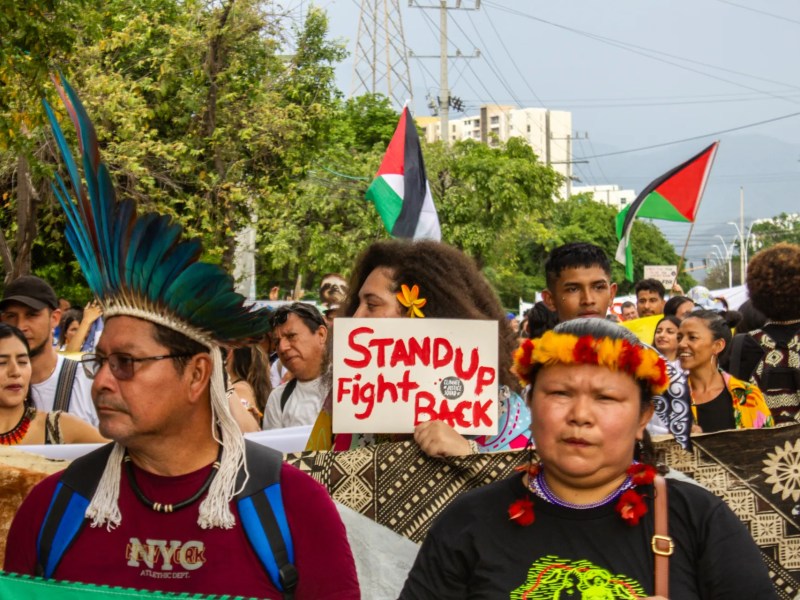
‘Cloaked colonialism’: Indigenous Peoples criticize just transition model that does not protect their territories
Representatives of Indigenous Peoples from different countries are asking that projects using critical minerals or related to the green economy, such as carbon credits, be based on the premise of not affecting Indigenous rights and their territories. Furthermore, they demand a leading role in conferences, not only when proposing solutions, but also when making decisions alongside governments.
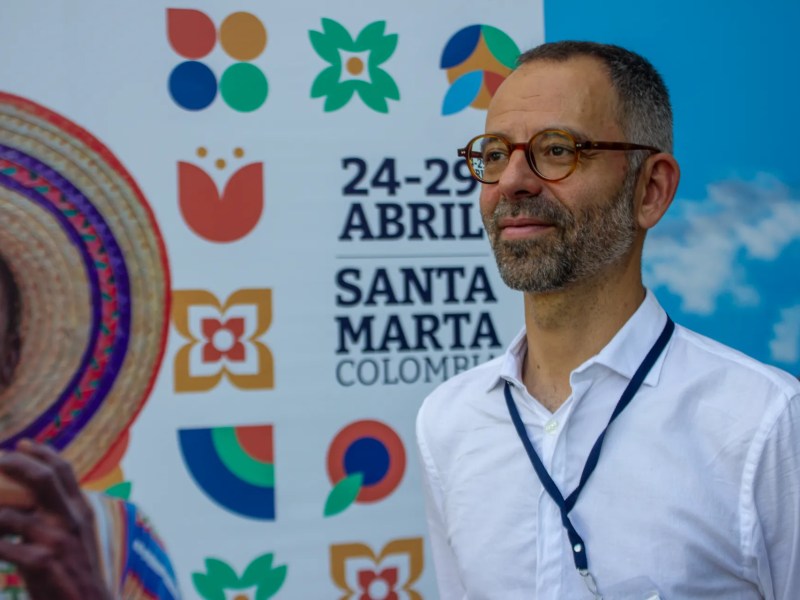
Scientist argues for the need to cancel fossil fuel contracts and says there is ‘no time’ for transitions at different paces
Part of the Global South, including Brazil, argues that developed countries should move away from fossil fuels before others. For Martí Orta from the University of Barcelona, there is no room for different national paces when phasing out oil, gas, and coal. Furthermore, the researcher states that the opening of new exploration projects ignores the limits defined by science.

In Santa Marta, scientists show that overcoming oil is inevitable
Conference in Colombia considers scientific knowledge as a core factor in guiding nations towards a fossil fuel-free economy; the initiatives announced this week will inform a final agreement among political leaders and create a permanent forum to assist in the implementation of practical actions.