

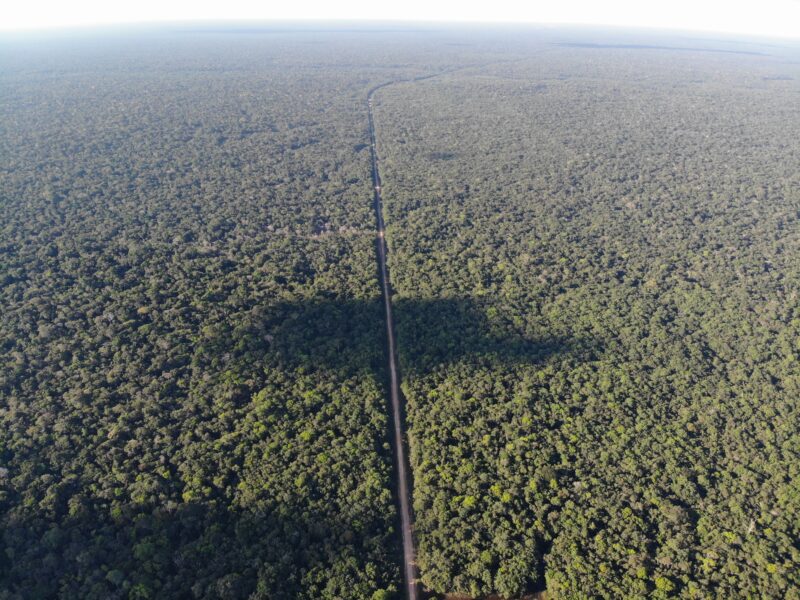
The executive secretary of the BR-319 Observatory, Fernanda Meirelles, tells about how the renovation plans for a stretch of almost 500 km advanced, trampling indigenous rights and ignoring incomplete environmental studies. This highway may aggravate deforestation in southern Amazonas, a region which already breaks records month after month.
Category: type
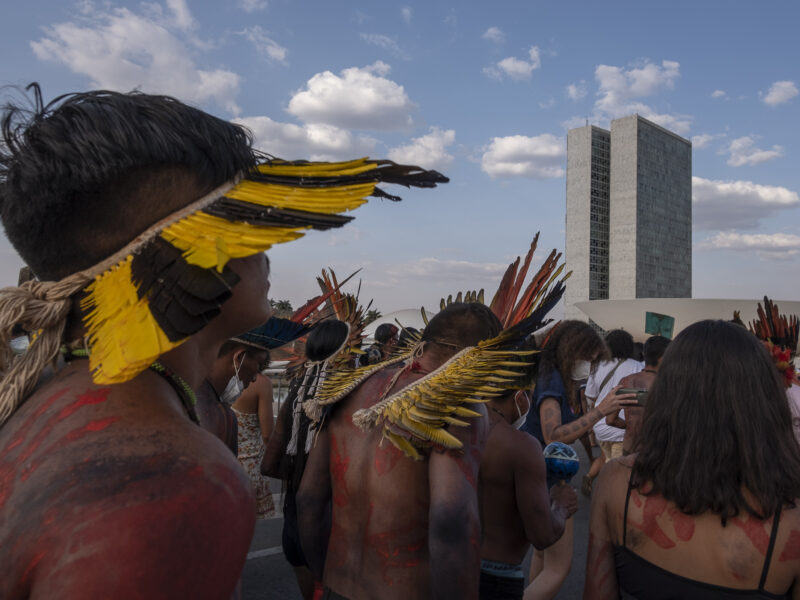
Ending the “Time Limit” Thesis Will Protect the Climate
Lawyer Luiz Eloy Terena, a Representative of the Coalition of Indigenous Peoples of Brazil (Apib) at the Brazilian Supreme Court hearing in question, comments on the importance of demarcating indigenous lands for the protection of the country’s natural resources. MapBiomas data shows that only 1.6% of Brazil’s deforestation occurred in Indigenous Lands over 36 years.
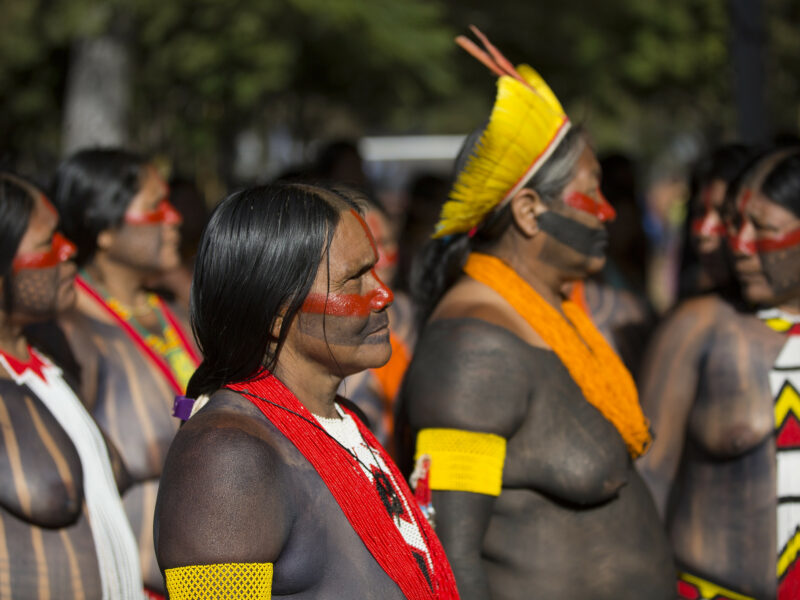
Global demand for manganese puts Kayapó Indigenous land under pressure
Amazônia Minada project finds unusual rise in demand for manganese in 2020, when it became the second most requested on indigenous lands – just after gold. Some of the richest manganese deposits in the world are in southeast Pará, overlapping with the territories of the Kayapó, the most affected by recent records in mining requests. Illegal mining has increased and Indigenous people denounce mining on their territories.
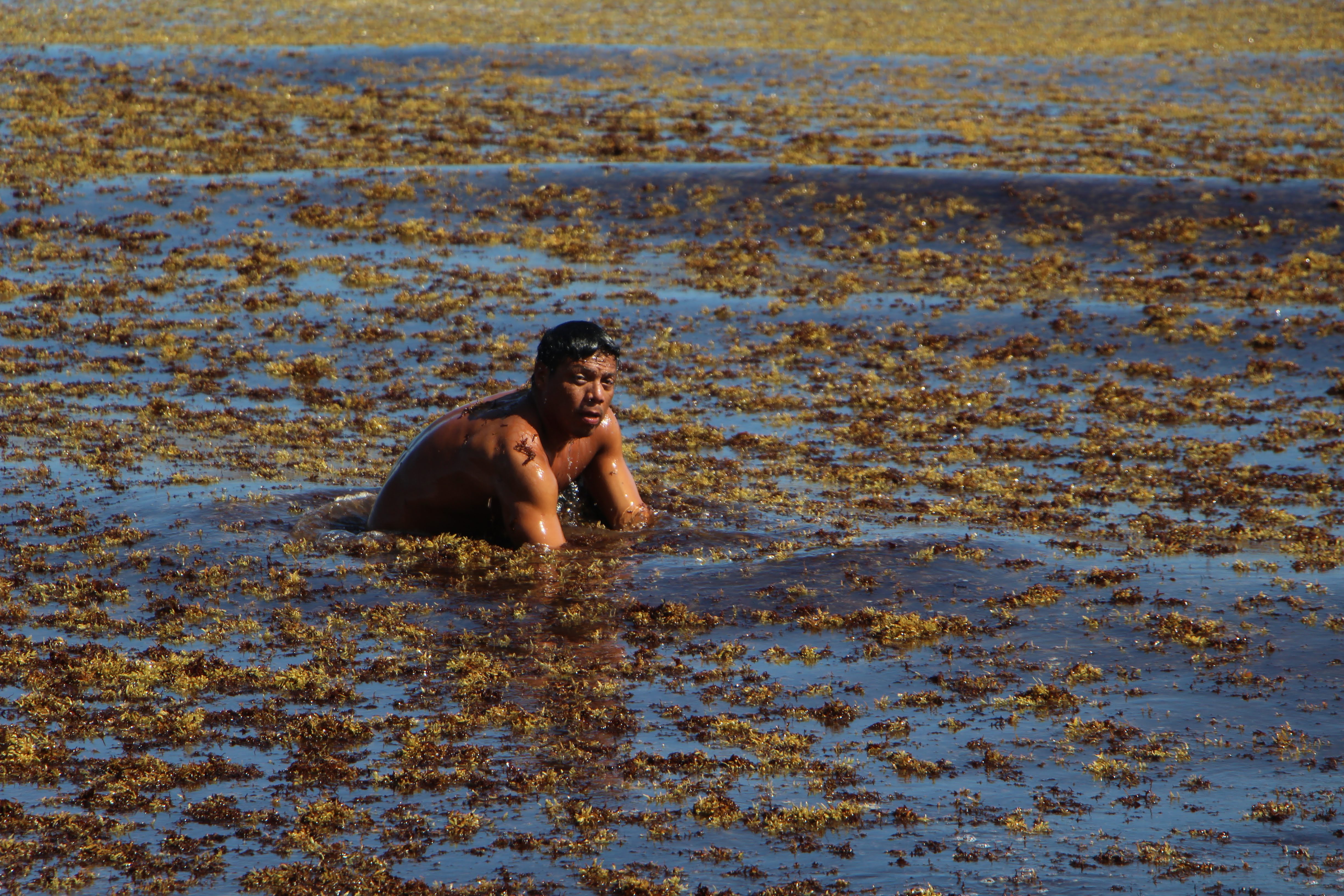
Sargassum: Brown Tide Threatens the Caribbean
A decade after the first sargassum blooms were spotted in the South Atlantic, these massive brown mats of macro-algae represent one of the largest ecological threats to the Caribbean, a megadiverse region whose tens of millions of inhabitants heavily depend on tourism and natural resources.
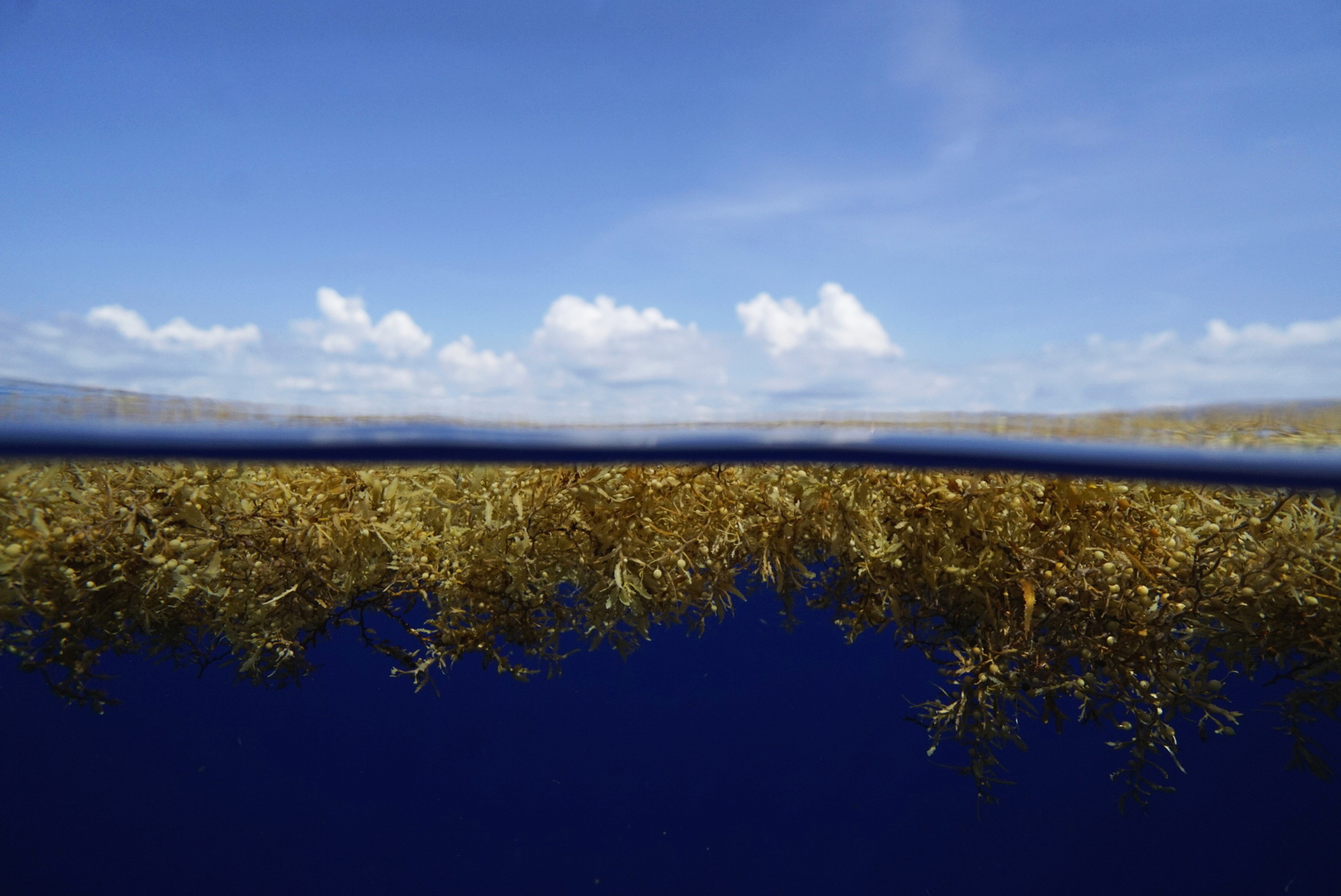
Murky Waters: Amazon Destruction Linked to the Largest Belt of Algae on the Planet
Scientists are examining why banks of sargassum in the Atlantic have proliferated explosively over the past decade, fouling the Caribbean and extending to the coast of Africa. Growing discharges of organic pollutants from the Amazon River are now believed to be a major cause.
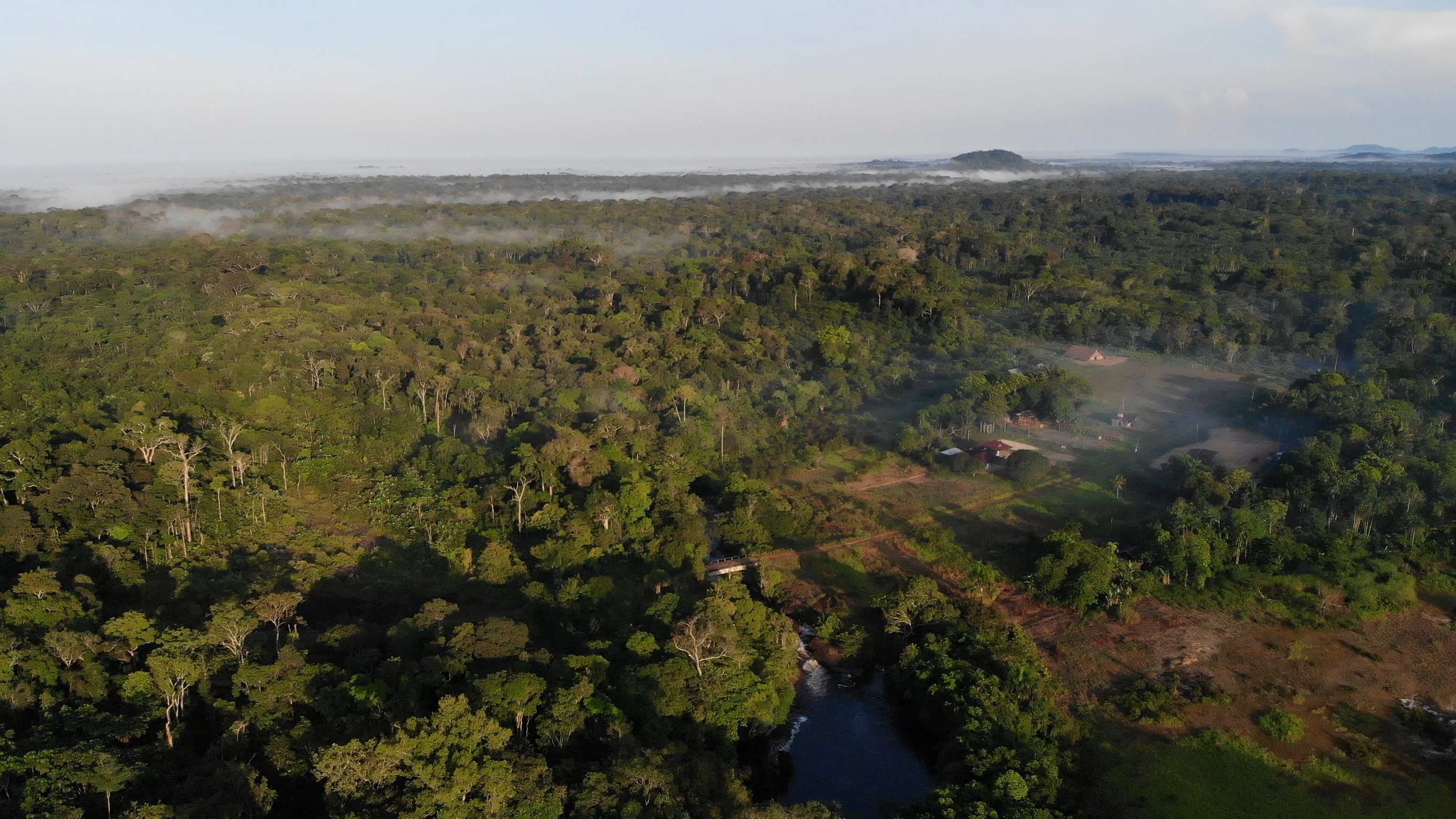
Defenders of the sacred hills
In Vaupés, a department in the Colombian Amazon, indigenous peoples cling to their beliefs to protect themselves from mining. A concession for the exploitation of coltan angers three communities: the leaders are threatened and their right to prior consultation has been violated.
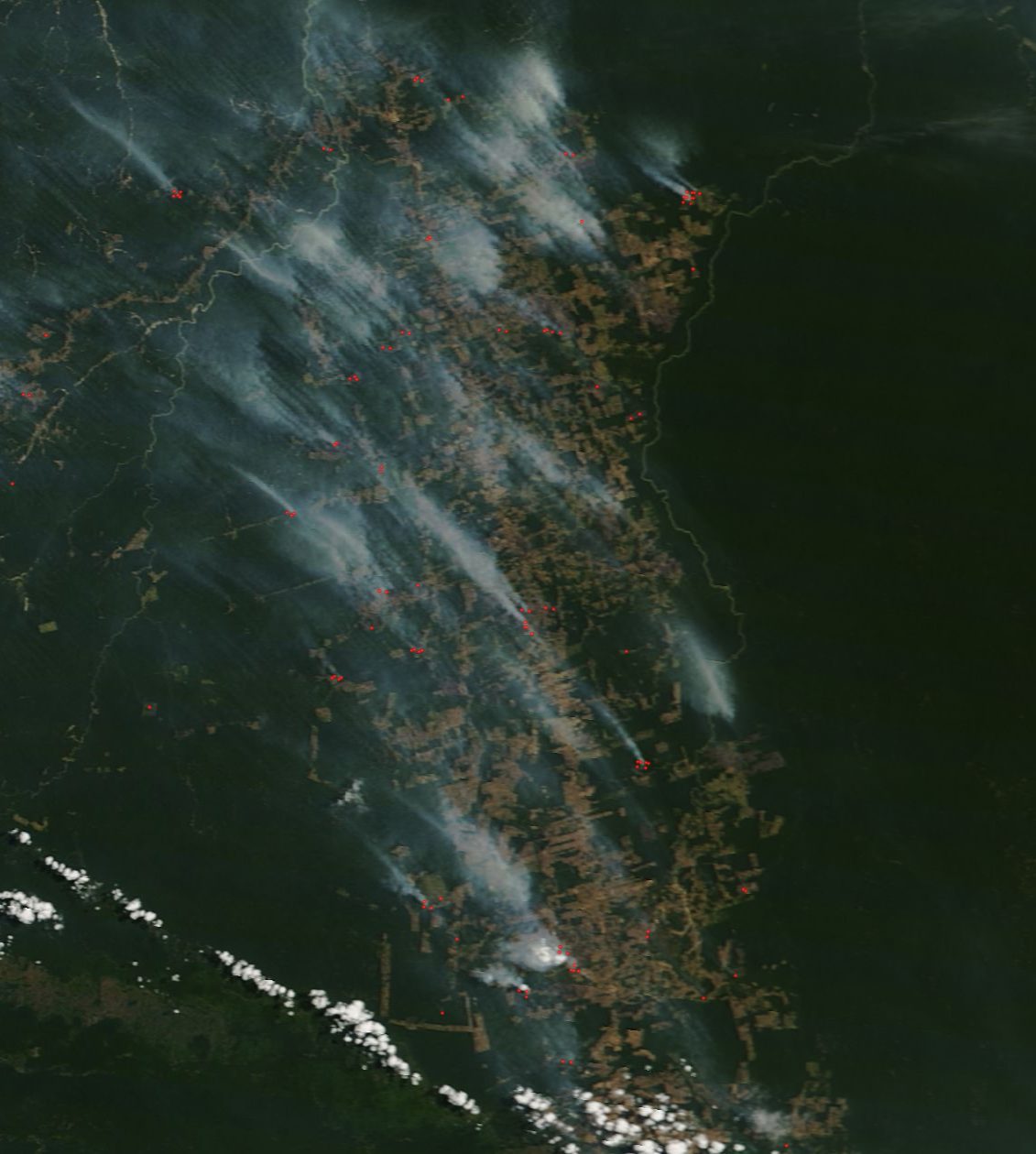
Want to help contain the Amazon crisis? Here some ways

People from all over offering to volunteer and donate to local actions in the Brazilian forest. If you want to help, this is an initial list of NGOs
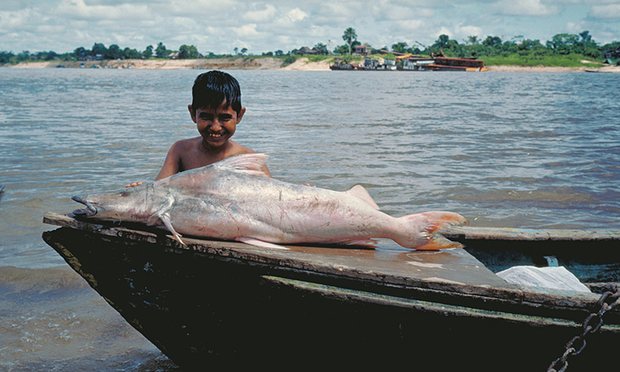
Extraordinary migration of giant Amazon catfish revealed
The dorado catfish, which can grow up to 2 metres long, is an important source of food for people along the world’s longest river. It was suspected of making a spectacular journey, but a careful new analysis of the distribution of larvae and juvenile and mature adults has confirmed the mammoth migration.
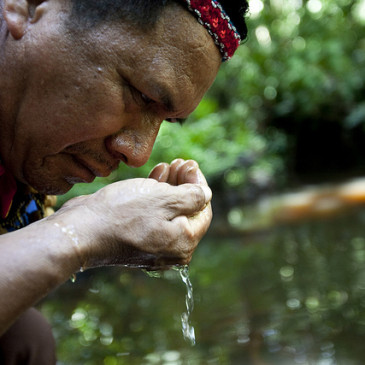
Yolanda Kakabadse: ‘While the rainforest is politically divided, the biome is one”
Yolanda Kakabadse – the indefatigable defender of sustainability – is a former Ecuadorian Minister of Environment and the current International President of WWF. Kakabadse also founded CDKN alliance partner Fundacion Futuro Latinamericano, is a member of CDKN’s Network Council and has been involved in the Amazon Security initiative. In this interview with Miren Gutierrez, she […]
Com seca, queimadas avançam pelo Brasil
[:en]Mapa com a última contagem feita pelo sensor VIIRS, que possui maior resolução e revelou mais de 6000 focos de calor no dia 26 de julho