

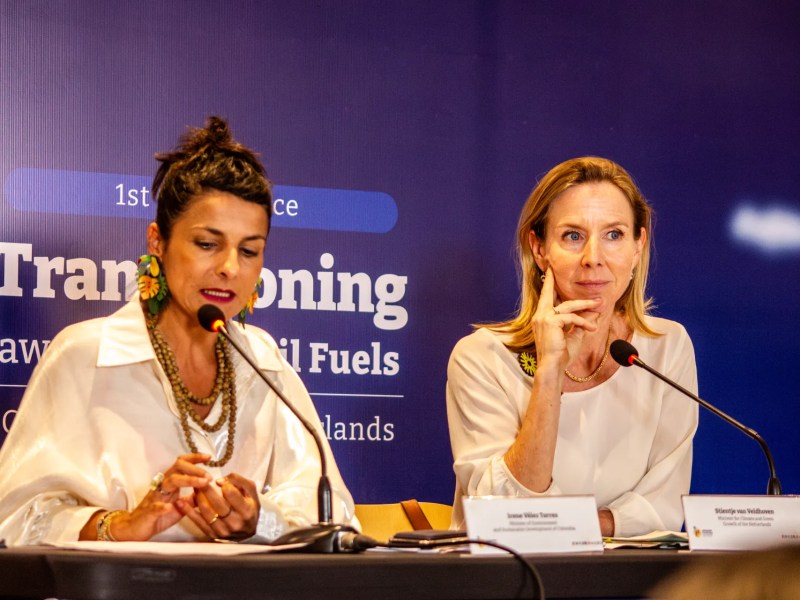
The 1st Conference for the Transition Away from Fossil Fuels for the first time brought together countries willing to discuss how to leave oil, gas and coal behind, concluding with clear signs it will not be a one-off event but the start of an ongoing transition. Brazil arrived as a pivotal player in the debate but left embarrassed after the publication of its proposed national energy transition plan.
Category: Climate Change
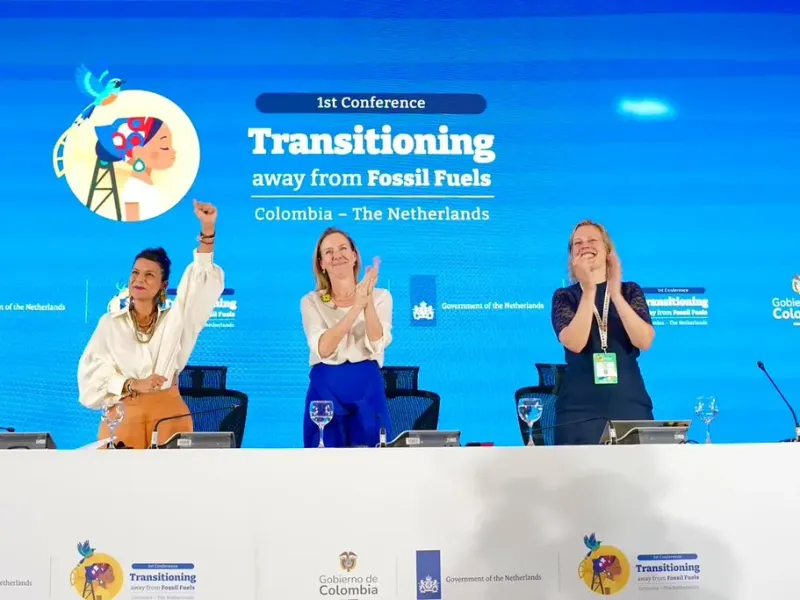
Santa Marta May Be a Game-Changing Moment

A critical mass of countries begins mapping a fossil fuel phaseout.
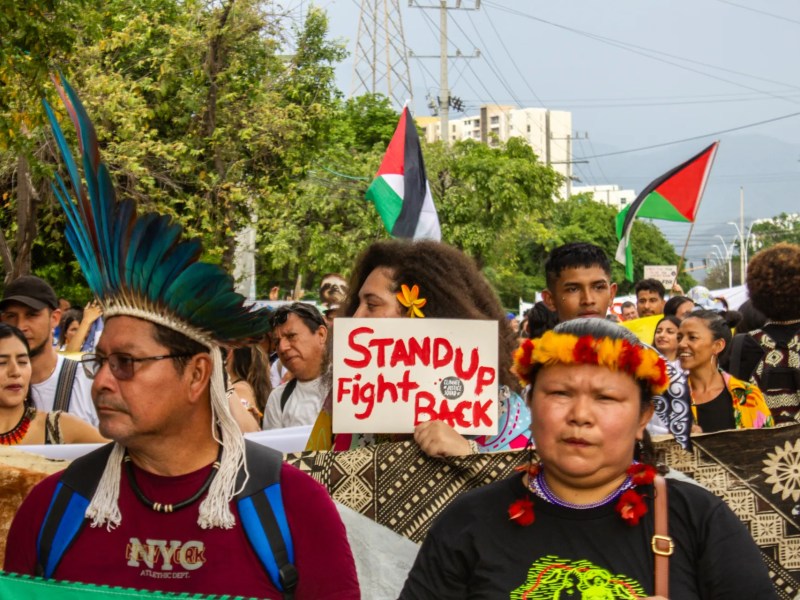
‘Cloaked colonialism’: Indigenous Peoples criticize just transition model that does not protect their territories
Representatives of Indigenous Peoples from different countries are asking that projects using critical minerals or related to the green economy, such as carbon credits, be based on the premise of not affecting Indigenous rights and their territories. Furthermore, they demand a leading role in conferences, not only when proposing solutions, but also when making decisions alongside governments.
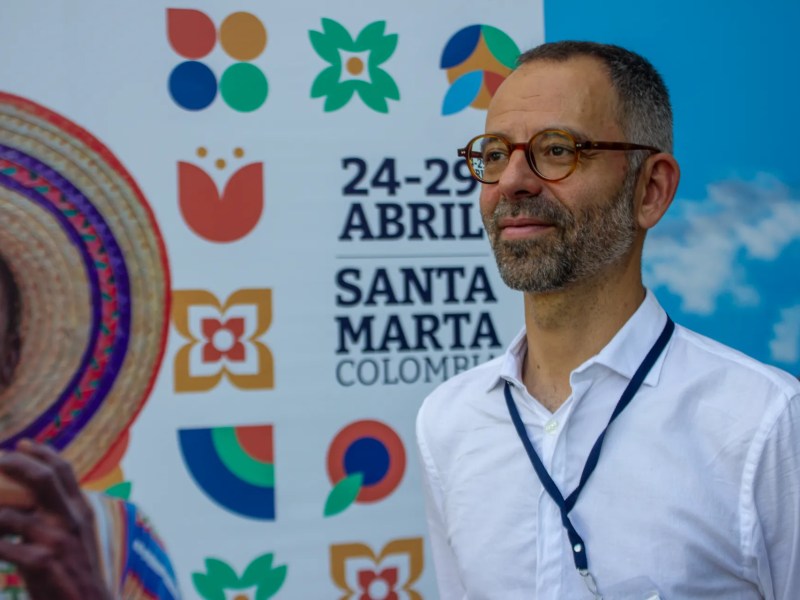
Scientist argues for the need to cancel fossil fuel contracts and says there is ‘no time’ for transitions at different paces
Part of the Global South, including Brazil, argues that developed countries should move away from fossil fuels before others. For Martí Orta from the University of Barcelona, there is no room for different national paces when phasing out oil, gas, and coal. Furthermore, the researcher states that the opening of new exploration projects ignores the limits defined by science.

In Santa Marta, scientists show that overcoming oil is inevitable
Conference in Colombia considers scientific knowledge as a core factor in guiding nations towards a fossil fuel-free economy; the initiatives announced this week will inform a final agreement among political leaders and create a permanent forum to assist in the implementation of practical actions.
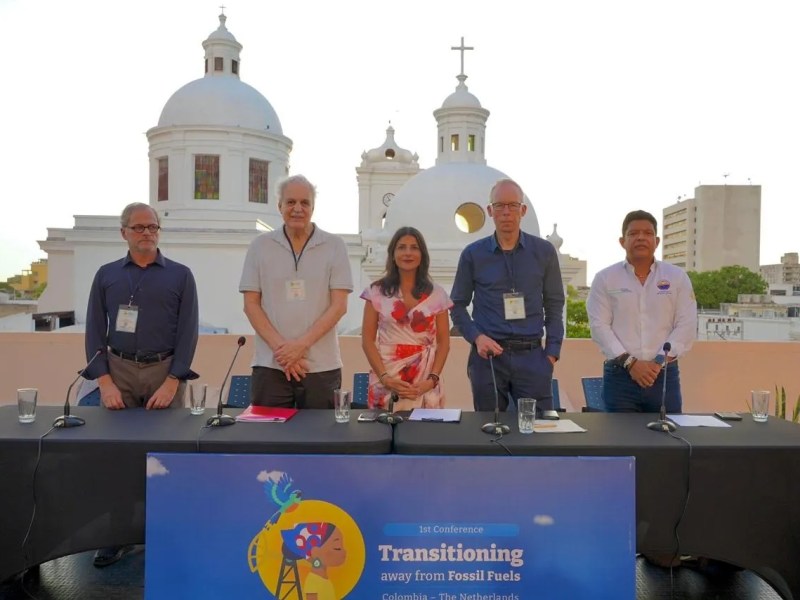
Wait, could this be a climate conference that actually works?
As the war with Iran exposes the risks of fossil fuels, the 1st International Conference on the Transition Away from Fossil Fuels brings together, in the Colombian city, a “coalition of the willing” seeking a global plan to phase out oil, gas, and coal.
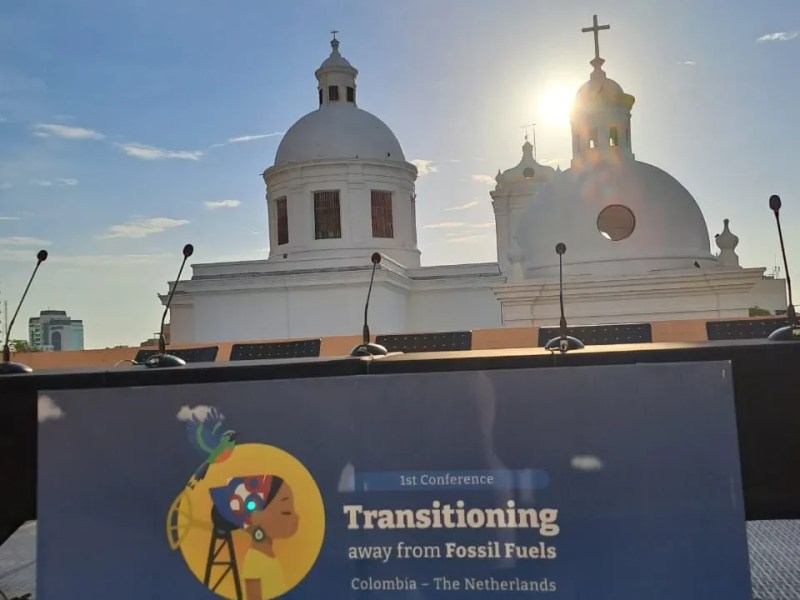
Outside the COP dead end, a conference in Santa Marta tests a new path to move away from fossil fuels
A meeting in a Colombian city aims to contribute to a roadmap towards the end of oil, gas and coal, which was proposed at COP30 but should only be presented in November 2026. In addition, the country’s Minister of the Environment promises to discuss actions without the constraints of the oil industry lobby.
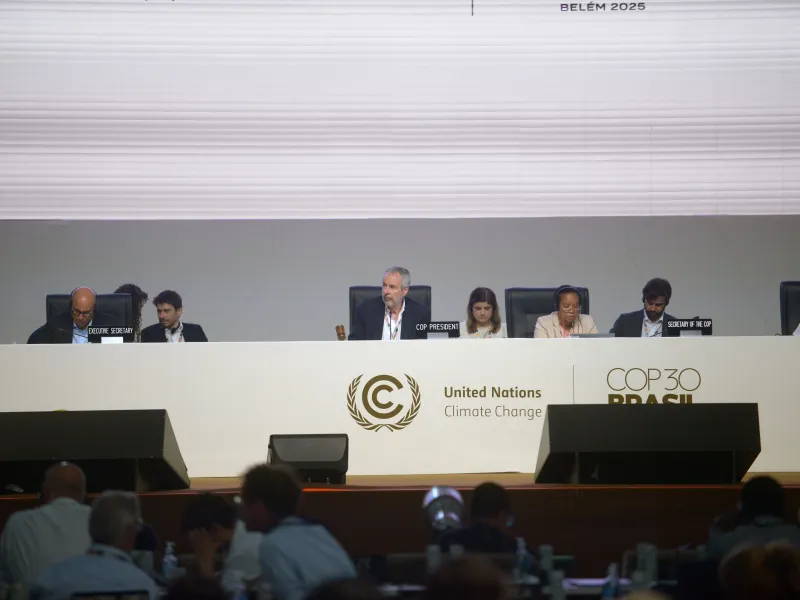
COP30 ends with minimal commitments, Latin American objections, and lots of work ahead
The conference that sought agreements and actions to mitigate the impacts of global warming ended with criticism of its final decisions that did not include clear targets to transition away from fossil fuels, its superficial texts on mitigation, adaptation and financing, and its lack of transparency.

Without global consensus, Brazil seeks a roadmap with scientists and oil companies to keep the fossil fuel phase-out proposal alive
Amid diplomatic progress and domestic contradictions, Brazil tries to turn its proposal to gradually eliminate oil, gas, and coal into a global roadmap. Studies backing the roadmap presented in Belém are set to involve international agencies, scientists, and representatives from the oil sector, while the country keeps exploration of new reserves in the Amazon open.
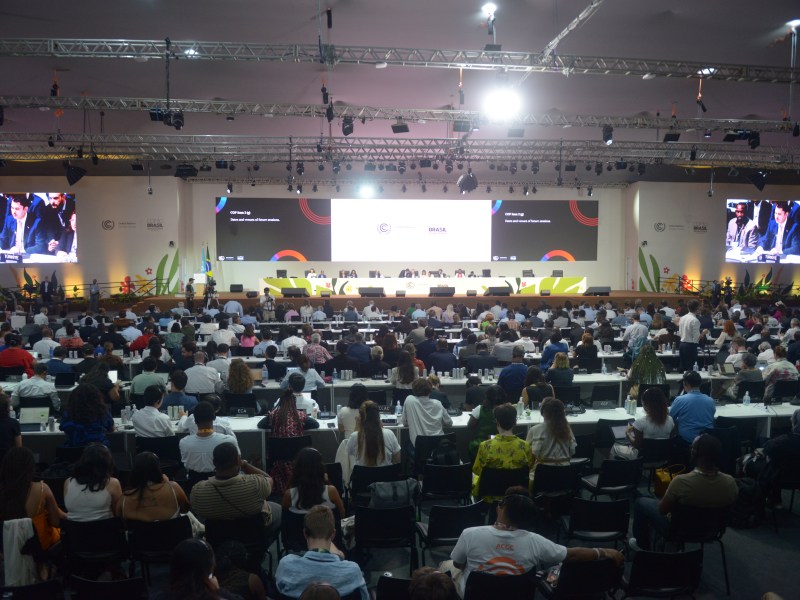
In a historic achievement, Afro-Descendants and Indigenous Peoples’ prior consultation are included for the first time in the UN Climate Conference
The recognition was included in the text on just energy transition, but also in other key texts of COP30, alongside the defense of Indigenous territorial rights.