

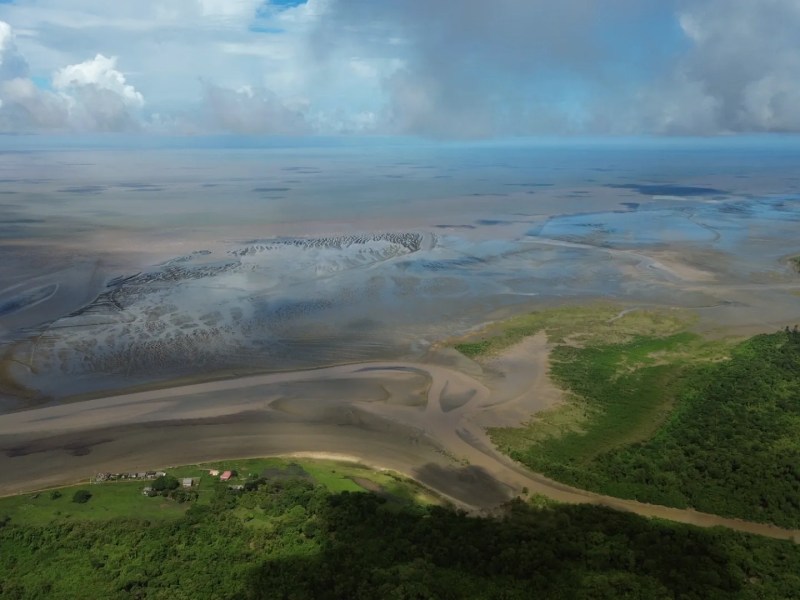
Sea level at the mouth of the river with the largest flow on Earth has risen 12.4 cm in three decades, eroding riverside territories and reshaping the local economy, according to an unpublished analysis. Intense rains and droughts in the Amazon are altering the interaction between the river’s mouth and the Atlantic Ocean, driving higher tides and coastal salinization. The effects of these changes are already visible in the availability of the species most commonly caught along the Amazon coast. They are also closely tied to deforestation on the continent: by 2050, a 45% reduction in forest cover could weaken the force with which the Amazon’s plume reaches the Atlantic.
Category: Biodiversity

Fueling Ecocide: 7,000 protected areas are threatened by oil and gas projects worldwide
The “Fueling Ecocide” investigation, led by Environmental Investigative Forum (EIF) and European Investigative Collaborations (EIC), reveals that oil and gas licences overlap with 7,000 protected areas worldwide. The total overlap is 690,000 km², an area bigger than the size of France — despite existing regulations and ongoing efforts to safeguard key biodiversity zones.
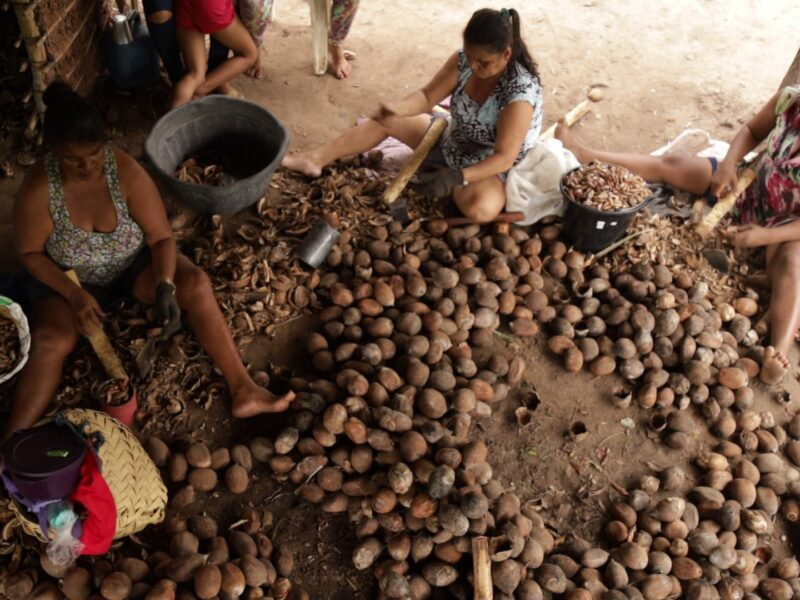
Women Babassu Nutcrackers Demand Compliance with Legislation Protecting this Traditional Activity
Native to Brazil, babassu nuts grow mainly in the Cerrado savannas and the Amazon rainforest. For centuries, groups of women have cracked these nuts to survive, preserving this tradition in several Brazilian States. Although their activities are protected by the Babassu Access Act (Lei do Babaçu Livre), these women nevertheless continue to face legal and physical challenges in some States.
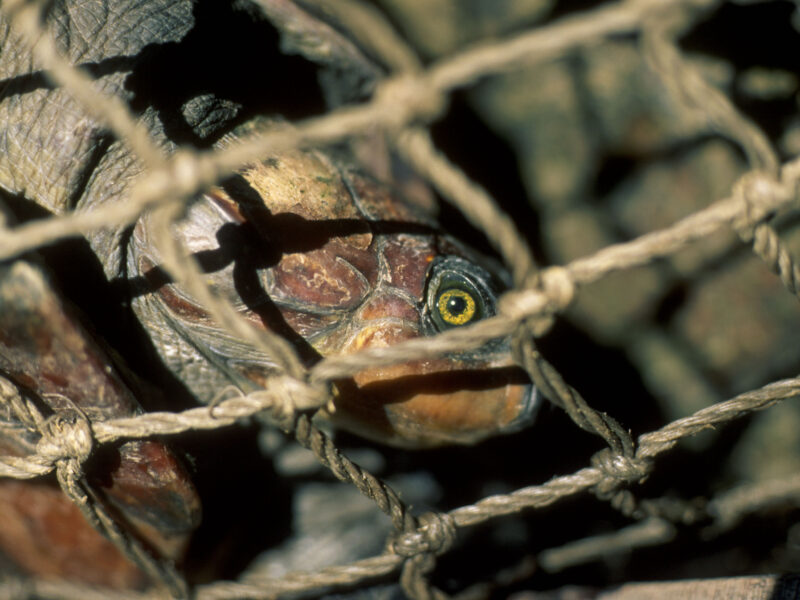
Eating chelonian meat is an integral part of Amazonian culture, but predatory hunting is a greater threat
Chelonians, which include turtles, terrapins and tortoises, have been part of the local population’s diet since colonizers arrived on the Amazon River. That meat has become common on people’s tables, especially in riverside and traditional communities. However, deficient law enforcement in remote areas and poaching threaten species and Amazon biodiversity.
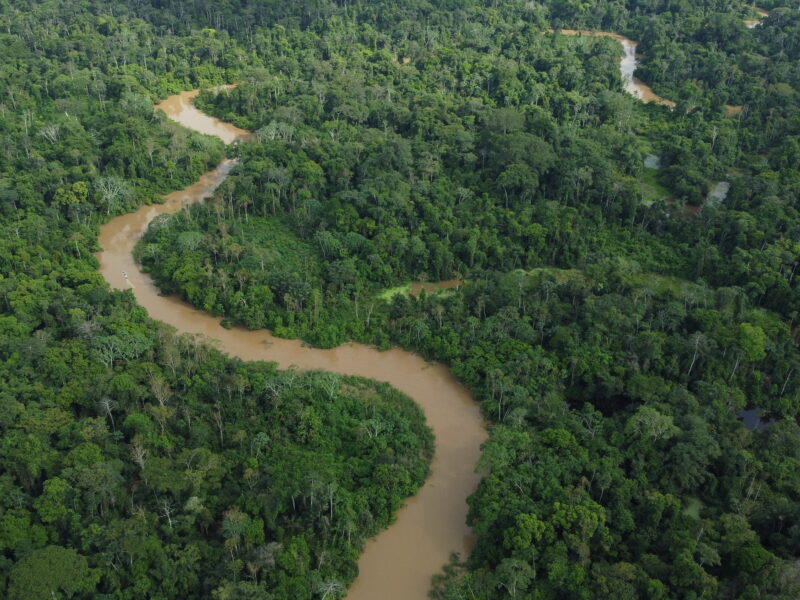
Proposed Brazil-Peru road through untouched Amazon gains momentum
Scientists and residents of the Serra do Divisor National Park fear impacts of development on the unique biodiversity of the area between Brazil’s Acre state and Peru
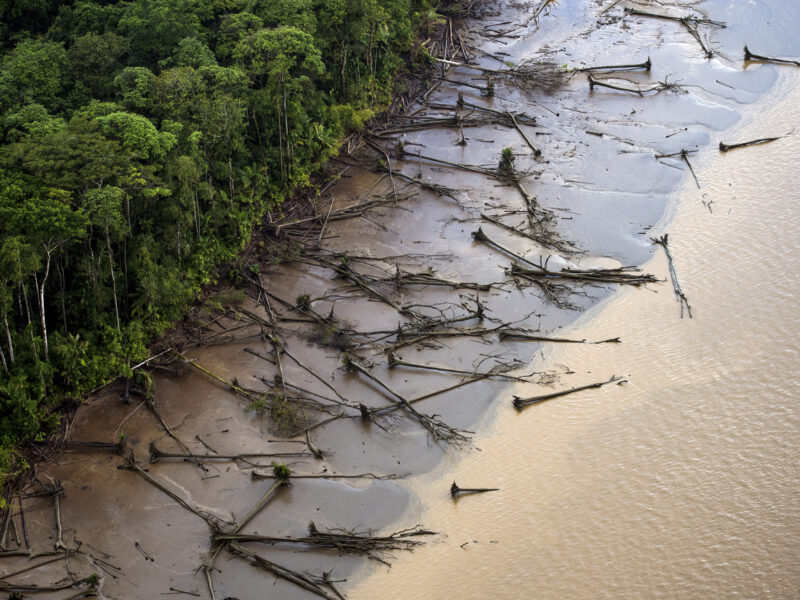
Endangered Amazonian mangroves protect the climate, wildlife, and economies
The Amazon holds 80% of Brazil’s mangroves. A bridge between terrestrial and marine environments, mangrove formations guard stores of greenhouse gases, shelter unique species, and maintain human populations, but they are under threat.
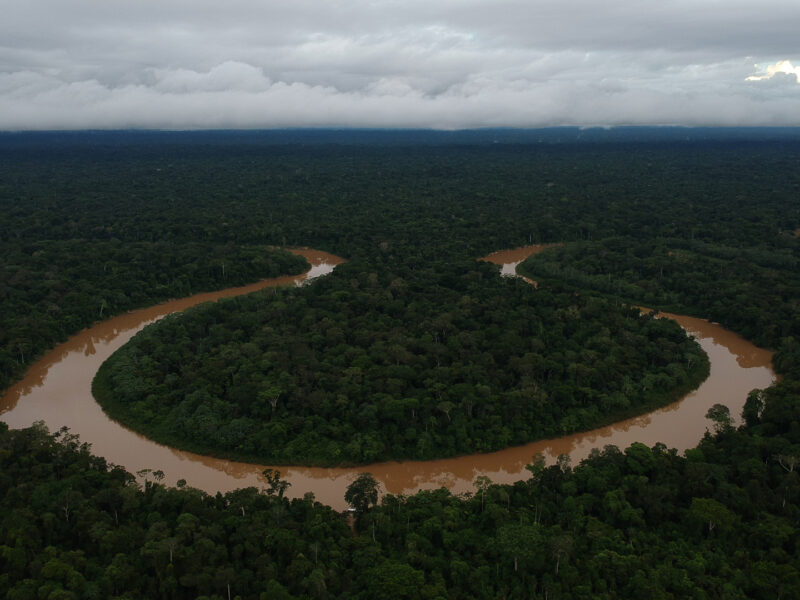
Conserved landscapes act as barriers against diseases like Covid-19
Scientists emphasize that reducing the threats of contagion by zoonoses depends on “landscape immunity”, but in Brazil, the maintenance of large conserved environments runs into loopholes and delays in implementing the Forest Code.
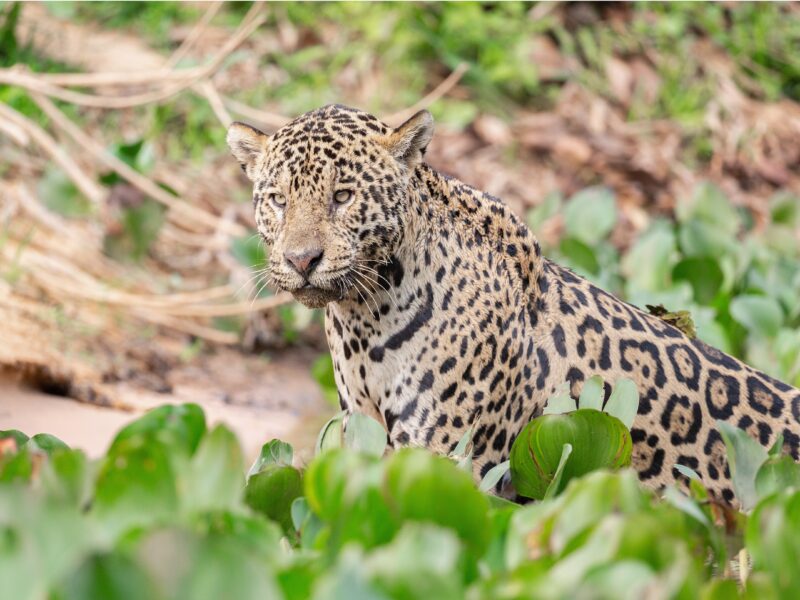
Hunting, deforestation, and fire threaten jaguars in the world’s largest rainforest
The Federal Prosecutor’s Office wants harsher penalties for a gang that killed big cats in the state of Acre. No one has been arrested. In the Amazon, human action kills or displaces about 350 jaguars every year.
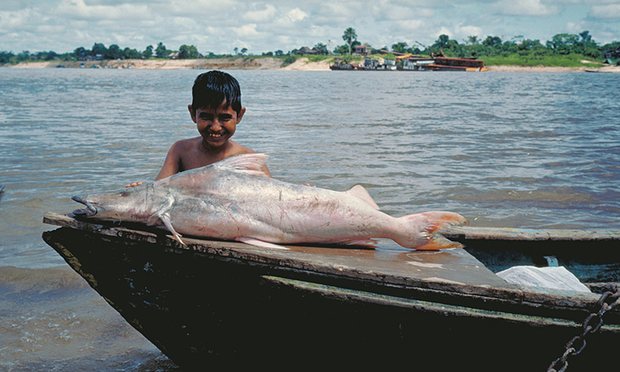
Extraordinary migration of giant Amazon catfish revealed
The dorado catfish, which can grow up to 2 metres long, is an important source of food for people along the world’s longest river. It was suspected of making a spectacular journey, but a careful new analysis of the distribution of larvae and juvenile and mature adults has confirmed the mammoth migration.
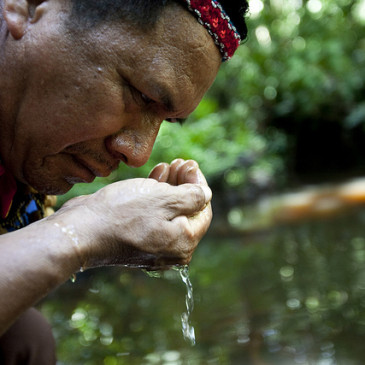
Yolanda Kakabadse: ‘While the rainforest is politically divided, the biome is one”
Yolanda Kakabadse – the indefatigable defender of sustainability – is a former Ecuadorian Minister of Environment and the current International President of WWF. Kakabadse also founded CDKN alliance partner Fundacion Futuro Latinamericano, is a member of CDKN’s Network Council and has been involved in the Amazon Security initiative. In this interview with Miren Gutierrez, she […]