

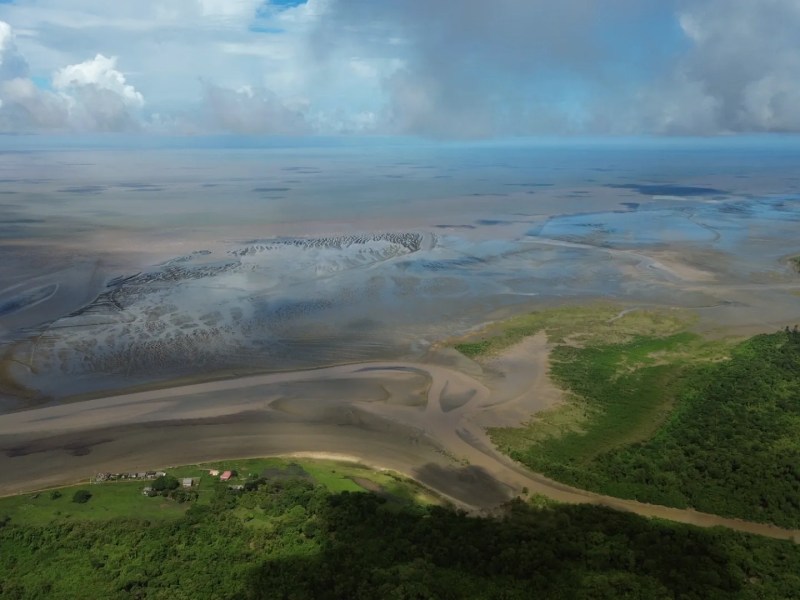
Sea level at the mouth of the river with the largest flow on Earth has risen 12.4 cm in three decades, eroding riverside territories and reshaping the local economy, according to an unpublished analysis. Intense rains and droughts in the Amazon are altering the interaction between the river’s mouth and the Atlantic Ocean, driving higher tides and coastal salinization. The effects of these changes are already visible in the availability of the species most commonly caught along the Amazon coast. They are also closely tied to deforestation on the continent: by 2050, a 45% reduction in forest cover could weaken the force with which the Amazon’s plume reaches the Atlantic.
Category: Water
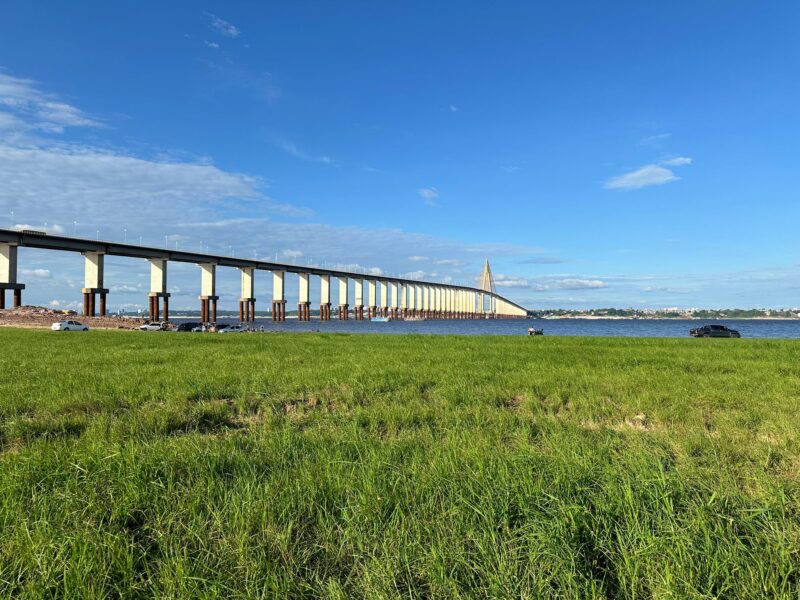
Extreme drought creates new park in Manaus, but abnormal vegetation puts ecological balance at risk
On the banks of the Rio Negro, Manaus residents take advantage of the grass that has appeared during the dry season, creating a space for relaxation. But as the river returns to its normal level, the vegetation could cause environmental imbalance and even spread disease.
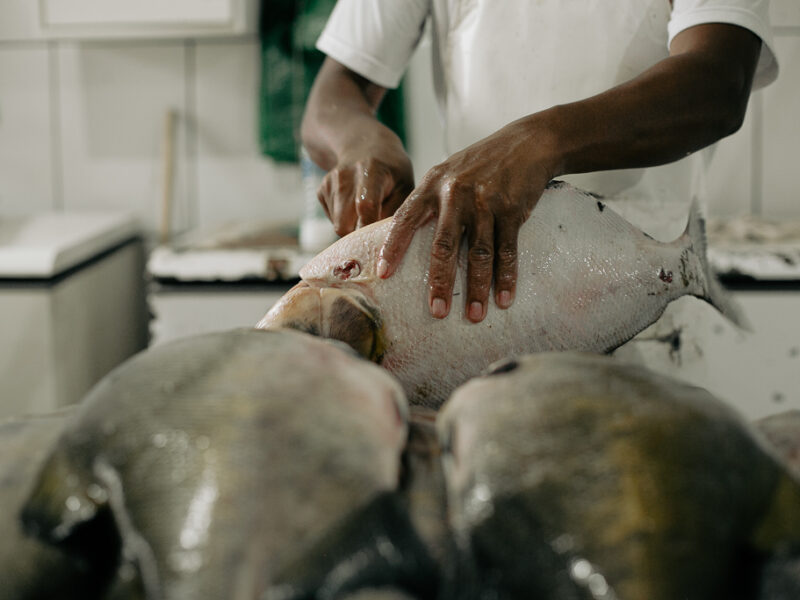
New study suggests that mercury contamination is widespread among residents of the Amazon
Although living 186 miles away from the area along the Tapajós River where illegal mining is concentrated, Santarém’s inhabitants are at high risk of mercury poisoning.
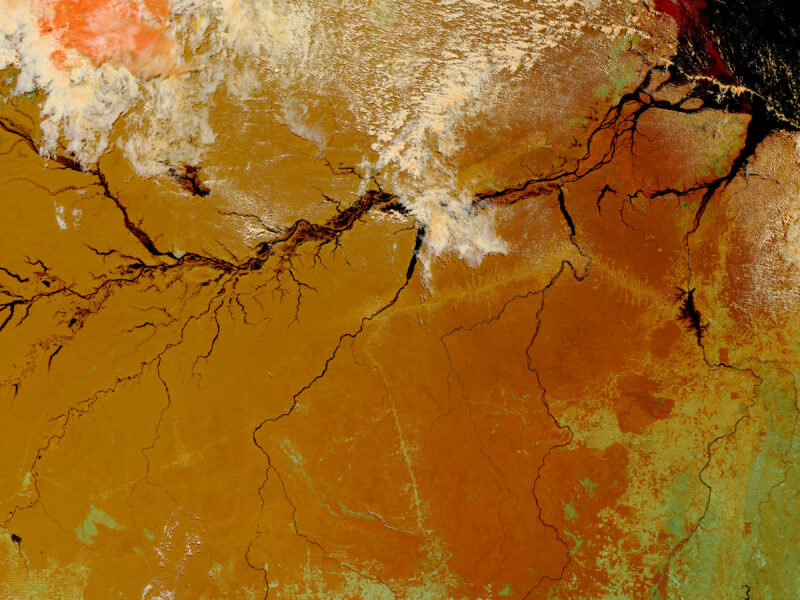
The distribution of rainfall and droughts is changing in the Amazon Basin
Through satellite images, researchers shed light on the distribution and circulation of water and other environmental changes in the rainforest. Records help measure the impacts of deforestation, mining, and hydroelectric power in the largest river basin on the planet.
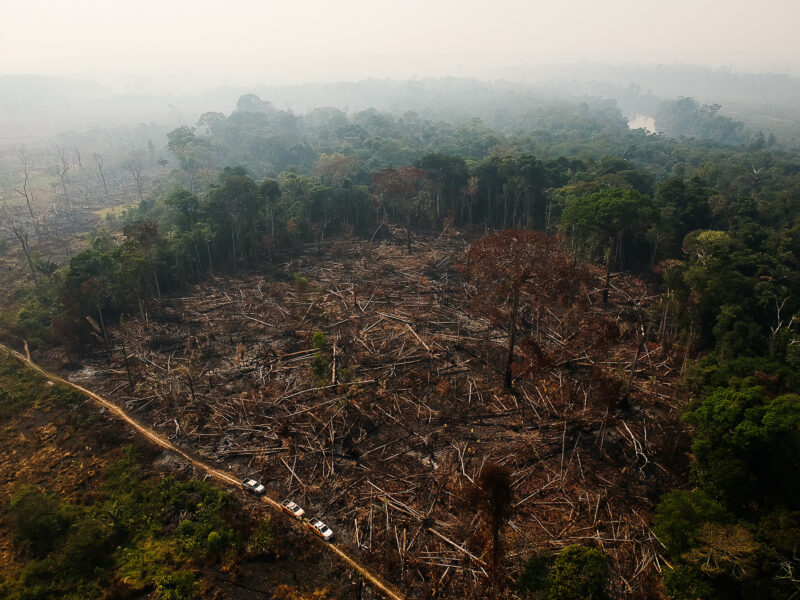
Deforestation in the Amazon reduced rains and increased electricity bills for Brazilians
Research shows that forest clearing reduced water flow and power generation in hydroelectric plants in the Center-West and Southeast of the country. Despite the environmental and electricity bill impacts, the government wants new power plants and dams on the Tapajós River.
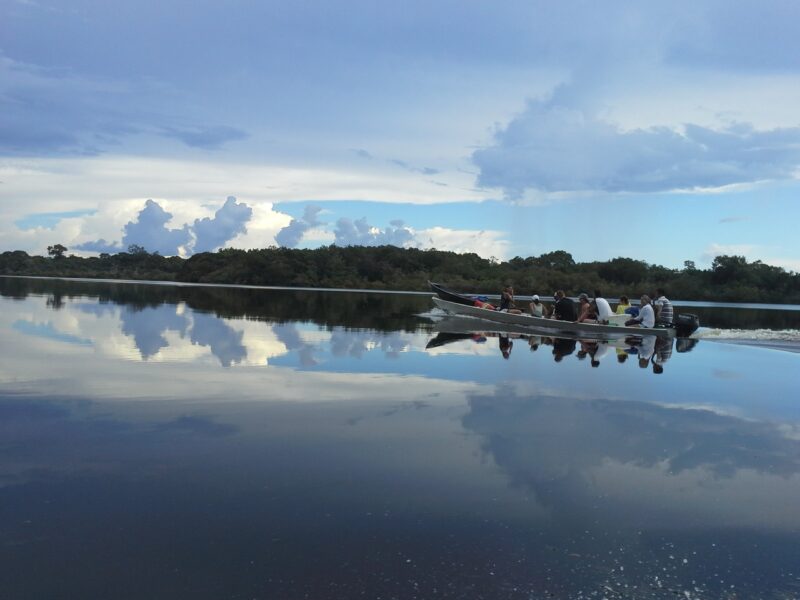
Chemical products and deforestation modify Amazon River water
A study reveals that activities such as mining, deforestation and agriculture have altered the ecosystems and biodiversity of the waters of 149 major rivers throughout the world, putting entire populations at risk.
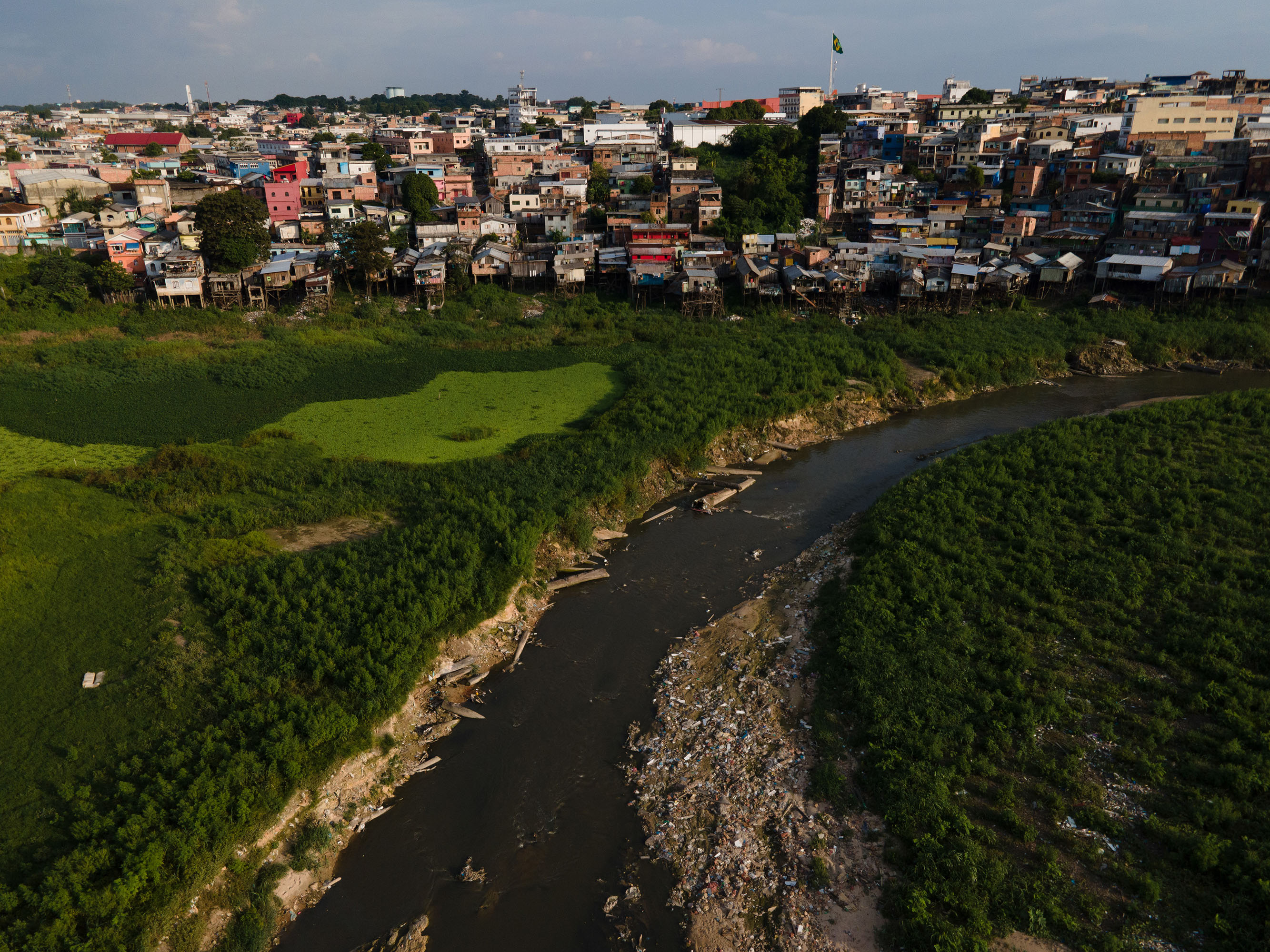
Amazon’s largest city dumps almost everything in the river
Jeane Moura da Silva, 34, is a member of the third generation of residents of Educandos Creek, in the south end of Manaus, the largest city in the Amazon region. She lives with her three daughters, husband and grandson in the same place where her grandmother was born and raised and where everyone in the […]
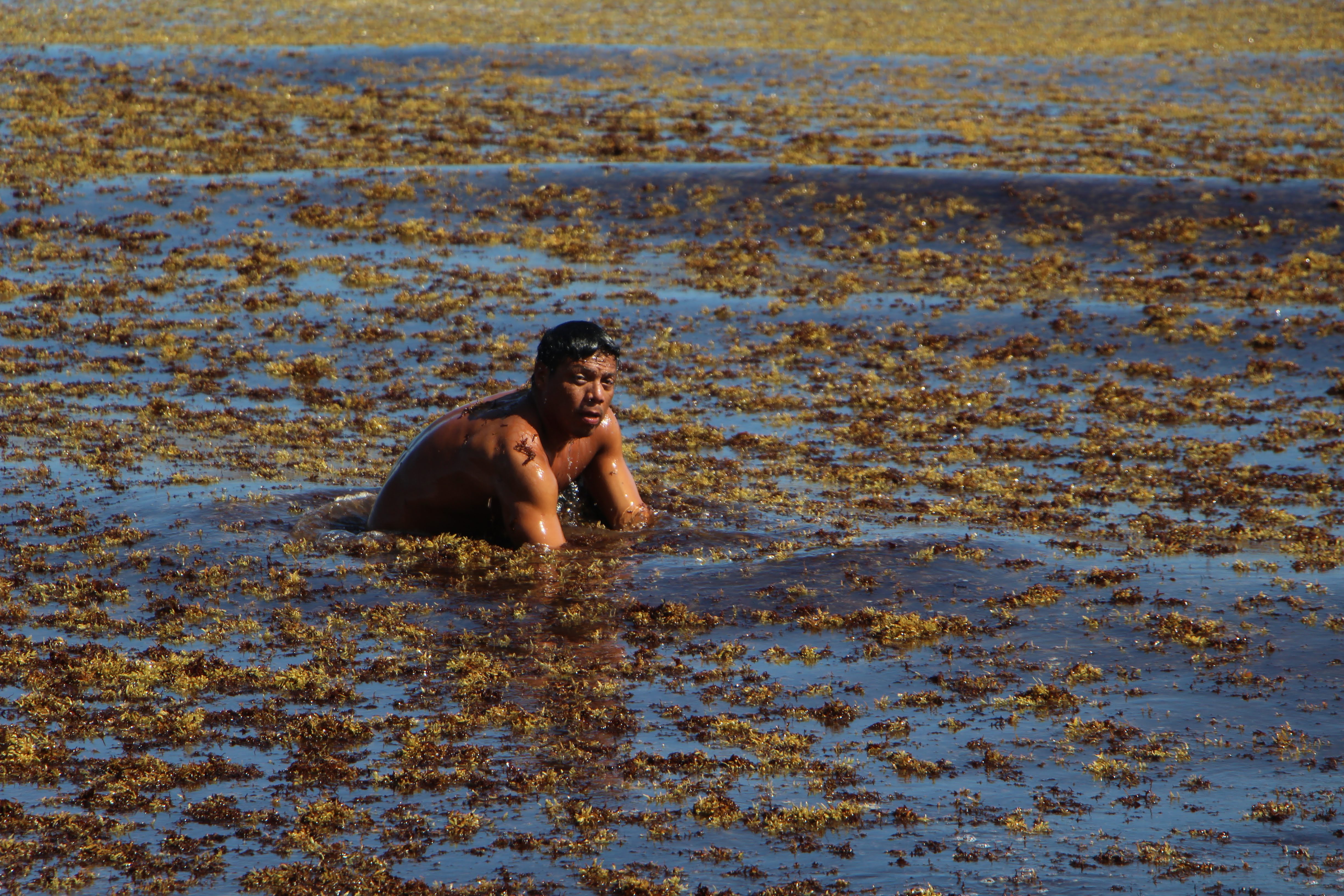
Sargassum: Brown Tide Threatens the Caribbean
A decade after the first sargassum blooms were spotted in the South Atlantic, these massive brown mats of macro-algae represent one of the largest ecological threats to the Caribbean, a megadiverse region whose tens of millions of inhabitants heavily depend on tourism and natural resources.
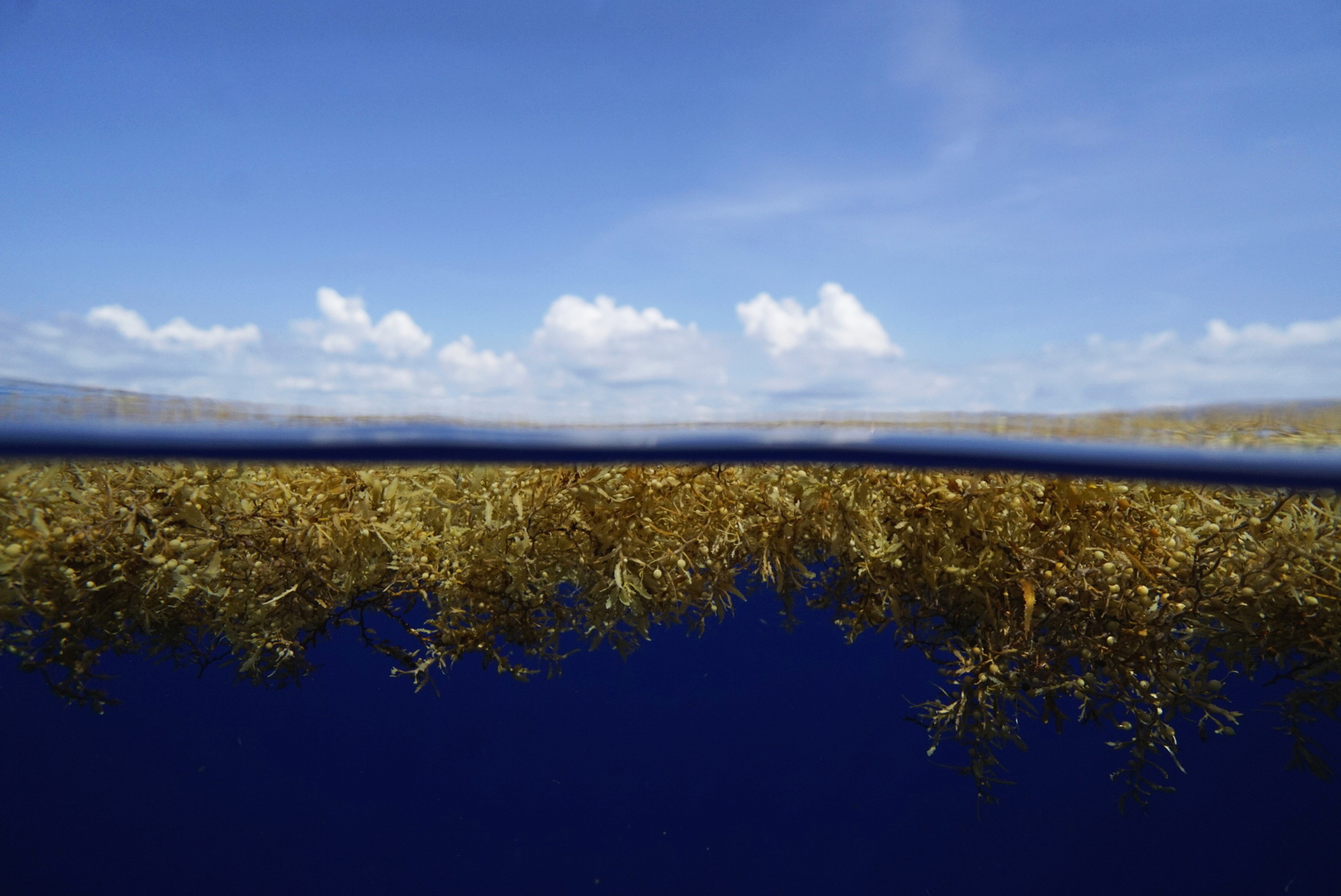
Murky Waters: Amazon Destruction Linked to the Largest Belt of Algae on the Planet
Scientists are examining why banks of sargassum in the Atlantic have proliferated explosively over the past decade, fouling the Caribbean and extending to the coast of Africa. Growing discharges of organic pollutants from the Amazon River are now believed to be a major cause.