

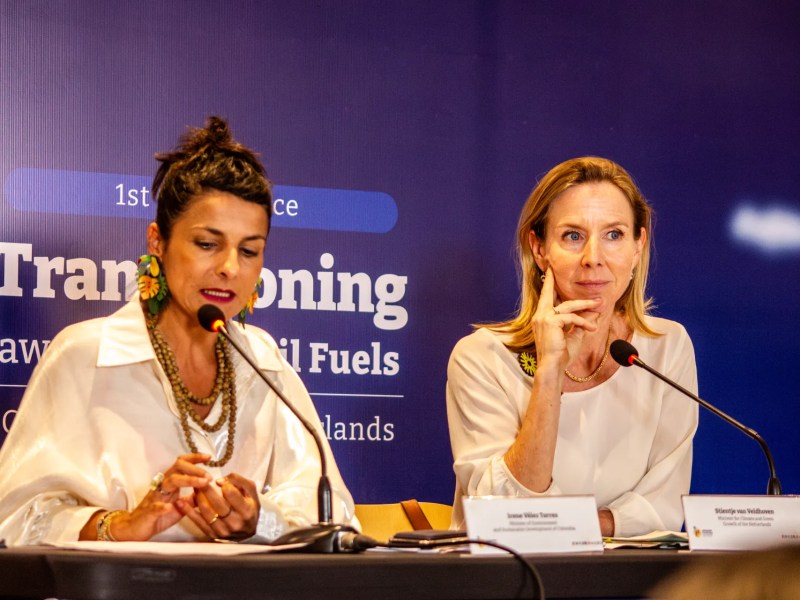
The 1st Conference for the Transition Away from Fossil Fuels for the first time brought together countries willing to discuss how to leave oil, gas and coal behind, concluding with clear signs it will not be a one-off event but the start of an ongoing transition. Brazil arrived as a pivotal player in the debate but left embarrassed after the publication of its proposed national energy transition plan.
Category: Colombia
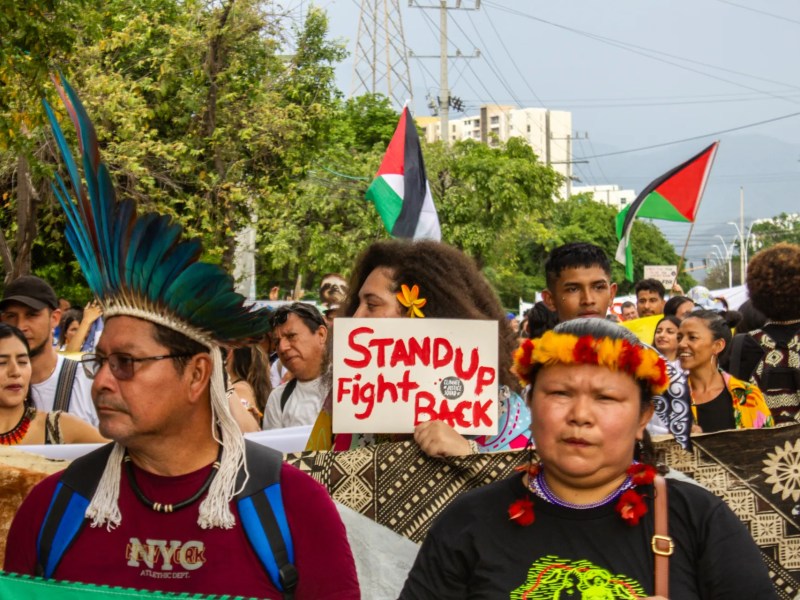
‘Cloaked colonialism’: Indigenous Peoples criticize just transition model that does not protect their territories
Representatives of Indigenous Peoples from different countries are asking that projects using critical minerals or related to the green economy, such as carbon credits, be based on the premise of not affecting Indigenous rights and their territories. Furthermore, they demand a leading role in conferences, not only when proposing solutions, but also when making decisions alongside governments.
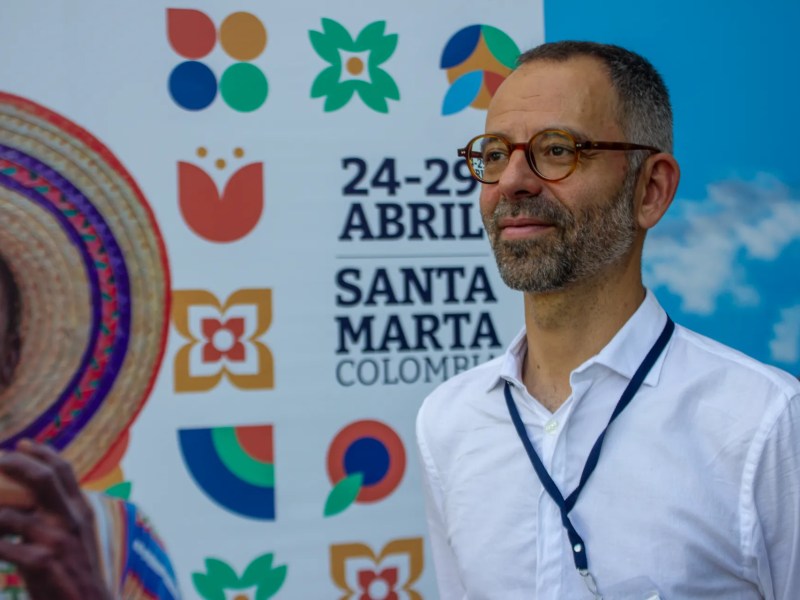
Scientist argues for the need to cancel fossil fuel contracts and says there is ‘no time’ for transitions at different paces
Part of the Global South, including Brazil, argues that developed countries should move away from fossil fuels before others. For Martí Orta from the University of Barcelona, there is no room for different national paces when phasing out oil, gas, and coal. Furthermore, the researcher states that the opening of new exploration projects ignores the limits defined by science.

In Santa Marta, scientists show that overcoming oil is inevitable
Conference in Colombia considers scientific knowledge as a core factor in guiding nations towards a fossil fuel-free economy; the initiatives announced this week will inform a final agreement among political leaders and create a permanent forum to assist in the implementation of practical actions.
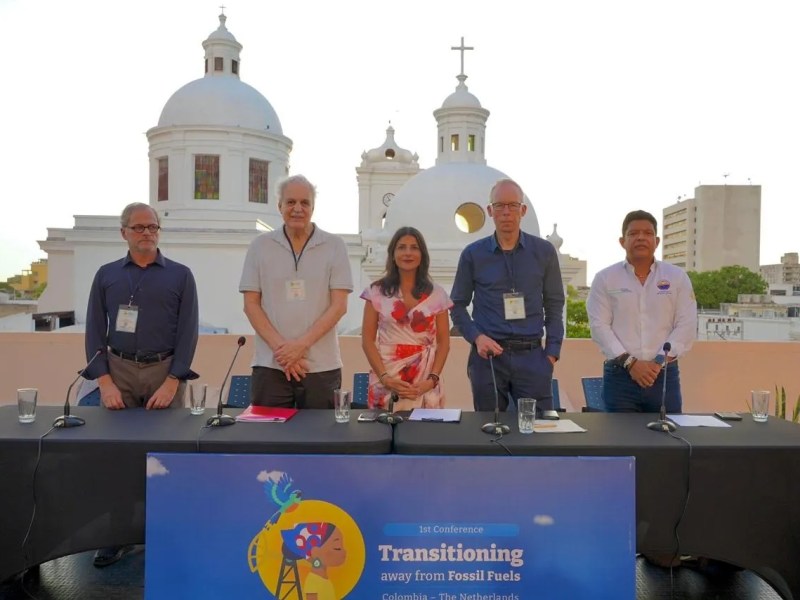
Wait, could this be a climate conference that actually works?

As the war with Iran exposes the risks of fossil fuels, the 1st International Conference on the Transition Away from Fossil Fuels brings together, in the Colombian city, a “coalition of the willing” seeking a global plan to phase out oil, gas, and coal.
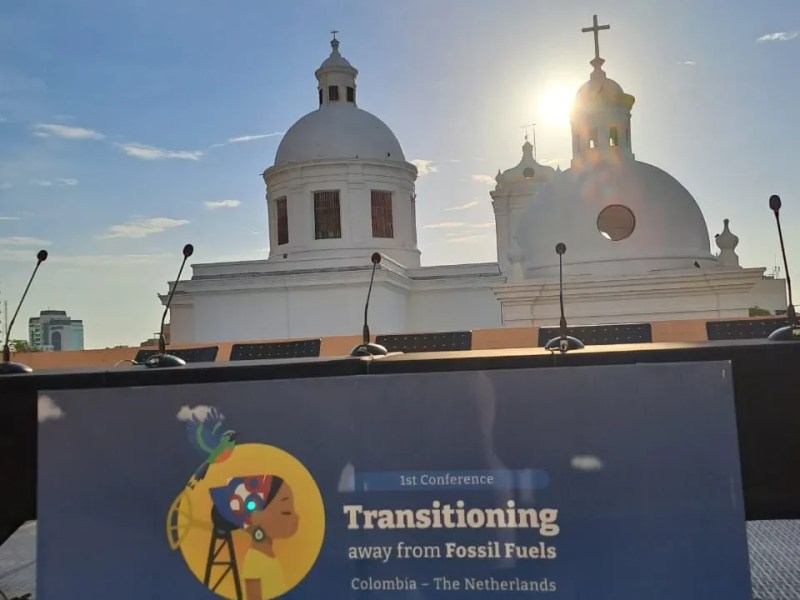
Outside the COP dead end, a conference in Santa Marta tests a new path to move away from fossil fuels
A meeting in a Colombian city aims to contribute to a roadmap towards the end of oil, gas and coal, which was proposed at COP30 but should only be presented in November 2026. In addition, the country’s Minister of the Environment promises to discuss actions without the constraints of the oil industry lobby.

Conference in Colombia Could Mobilize an Economic Bloc Larger Than the US Against Fossil Fuels
If it advances, the initiative could reshape the global energy market and push investment toward clean sources — leaving petrostates and their billion-dollar reserves stranded.
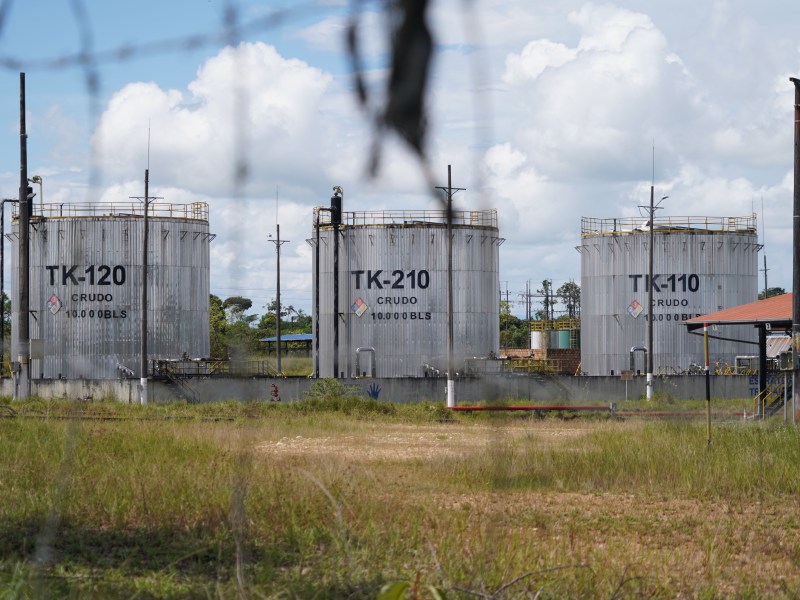
The tensions left behind by oil in a key area of the Colombian Amazon
Almost the entire Ombú oil block, operated by Emerald Energy, overlaps Colombia’s Macarena Special Management Area, created to conserve connectivity between the Andean, Amazon and Orinoquía natural regions. The project, now suspended after social protests, exposes the tensions caused by hydrocarbon extraction in protected areas without clear regulations.

The Critical Minerals Trade: The Illegal Route Connecting the Amazon with China
A complex network of actors has emerged around the critical minerals of the Amazon. Some operate along contested river corridors, trading with guerrilla groups and corrupt security forces. Others, under a façade of legality, move massive quantities of material through large port cities connected to international trade routes. Together, these operations endanger the environment and the sovereignty of entire nations.
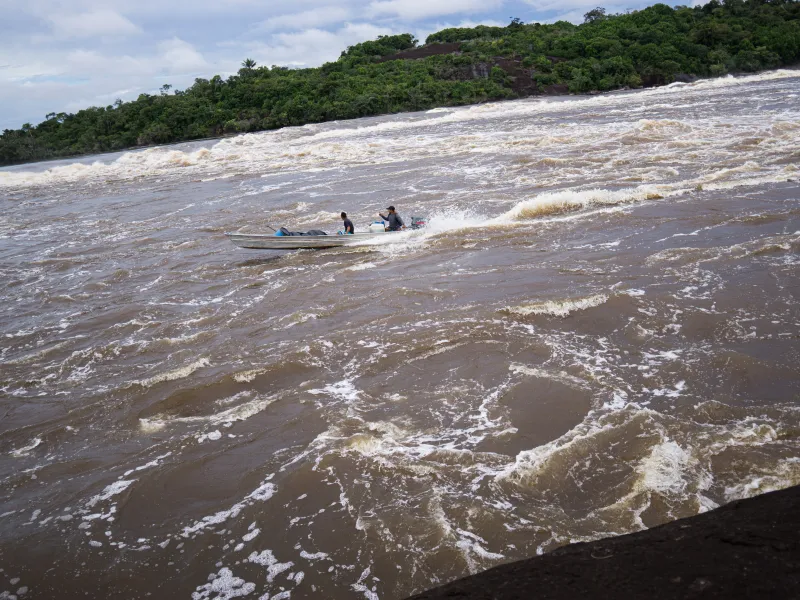
Chorrobocón’s Gamble: Betting on Critical Minerals
In Colombia’s jungles, where the deep green of the Amazon collides with poverty and exclusion, a hidden and dangerous business flourishes. In the remote corners of Guainía, Indigenous communities such as the Puinave find themselves trapped in illegal mining, an activity that allows them to survive but threatens to destroy the land they inhabit. With the decline of gold, strategic minerals have risen as a promise for the future. However, this new mineral rush, which promises to be less polluting than gold mining, carries enormous environmental and social risks.