

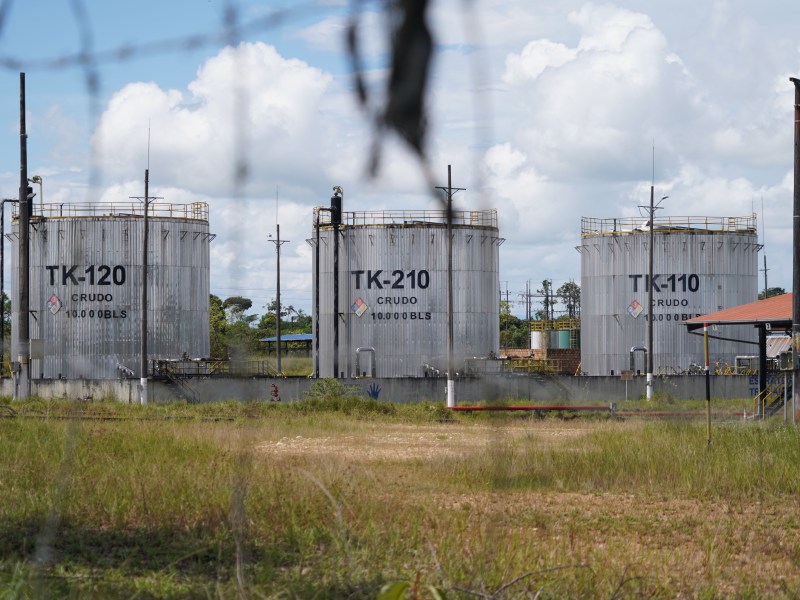
Almost the entire Ombú oil block, operated by Emerald Energy, overlaps Colombia’s Macarena Special Management Area, created to conserve connectivity between the Andean, Amazon and Orinoquía natural regions. The project, now suspended after social protests, exposes the tensions caused by hydrocarbon extraction in protected areas without clear regulations.
Tag: protected areas

Urban heat islands in Belém and Manaus measure up to 10°C hotter than nearby forest areas
Amazonian capitals are among the least vegetated cities in Brazil. An exclusive analysis by InfoAmazonia shows temperature differences between tree-covered and treeless areas in the two Amazonian capitals.
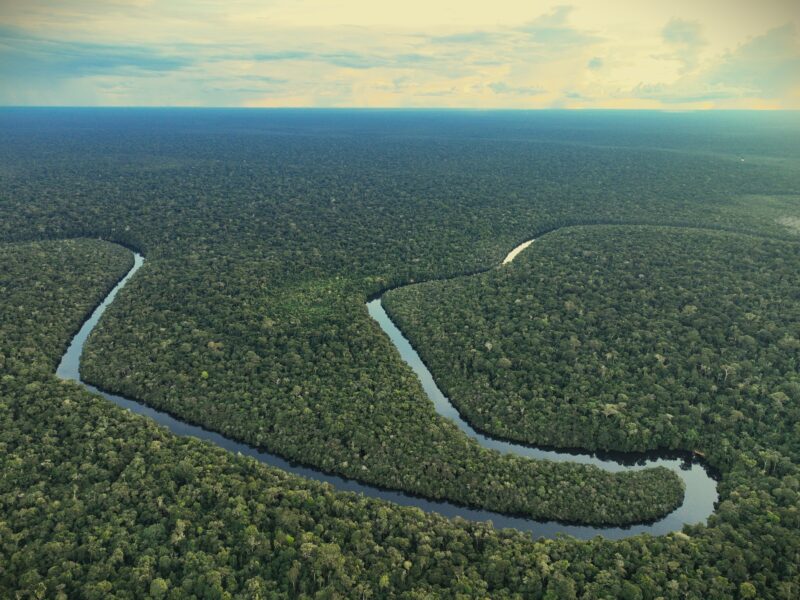
Nine indigenous territories, including areas of uncontacted people, are impacted by a dam project in Brazil’s Rondônia state
The Tabajara Hydroelectric Power Plant (HPP) project will create a 60-square-mile reservoir in Machadinho d’Oeste. In addition to nine indigenous territories, an exclusive joint analysis by InfoAmazonia and Brasil de Fato confirms the influence of the project on seven areas where evidence of uncontacted indigenous groups has been found.
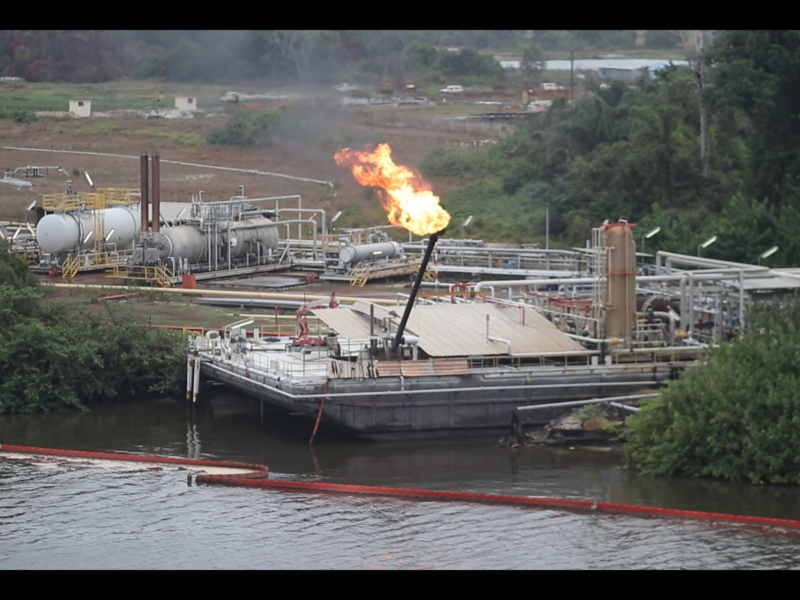
Hydrocarbon licenses and protected areas: Perenco’s global system of abuses
The global investigation “Perenco System” carried out by InfoAmazonia and its international partners reveals the systemic aspect of France’s second largest oil and gas operator abusive extractive practices through the world: Perenco.

Ferrogrão railway line will affect six indigenous lands, 17 conservation units and three isolated tribes
Exclusive survey reveals a much greater impact than estimated by agribusinesses. Ministry of Indigenous Peoples shows concern and demands consultation, but Lula’s minister of transport is optimistic about project launched by Bolsonaro.
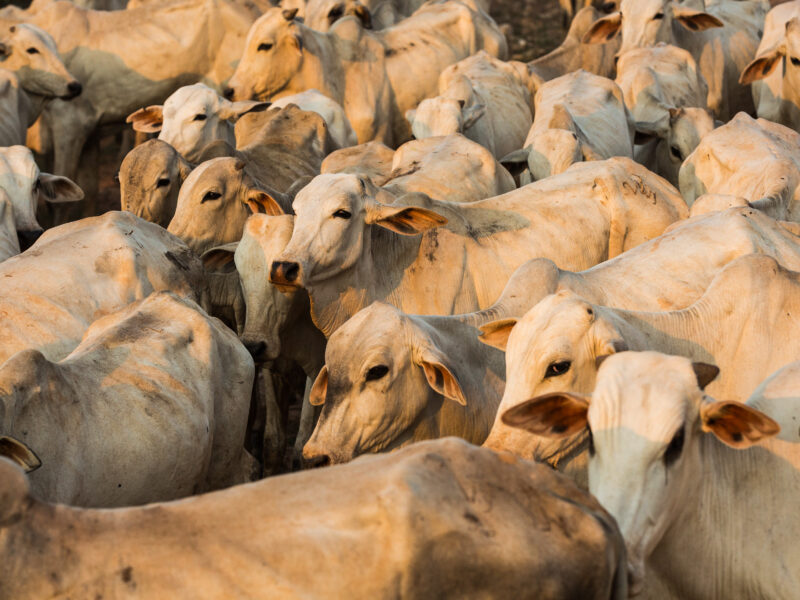
The challenge of eliminating deforestation as demand for beef rises
Lula promises to eliminate deforestation by 2030, but projections from the Ministry of Agriculture indicate a 17% increase in beef production in the next ten years, which could lead to the deforestation of one million hectares per year until 2030. Alternatives to further clearing of the forest are the restoration of the pastures and an increase in productivity, allied with oversight measures that put an end to illegal land grabs.

‘The fight goes on’: four indigenous leaders from Amazonia outline their expectations for the next four years
In a conversations with InfoAmazonia, Maial Kaiapó, Samela Sateré-Mawé, Júnior Hekurari Yanomami and Alessandra Korap Munduruku spoke about the historically important establishment of the Ministry of Indigenous Peoples, and the sense of relief following the dismantling of environmental policies.
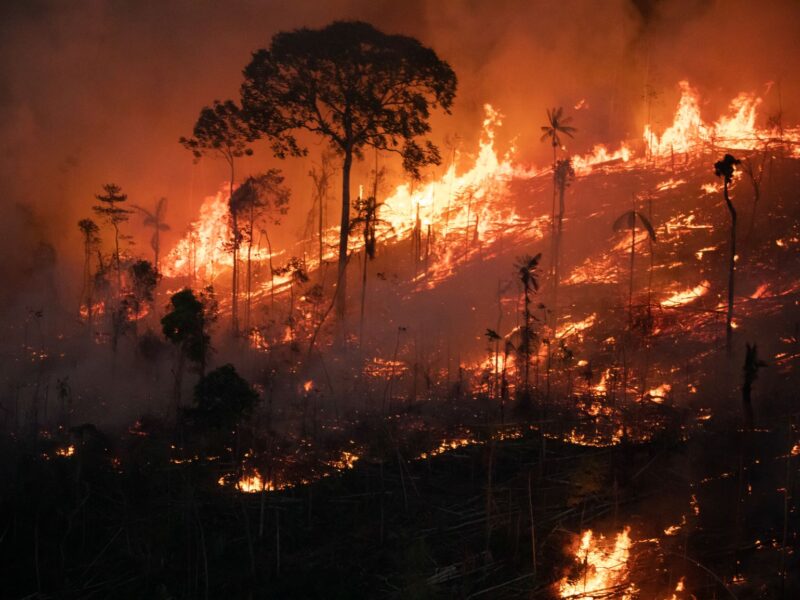
Accelerated deforestation in the last months of 2022 poses challenges for Lula’s environmental policy
Not only were INPE’s DETER deforestation alerts in 2022 the highest in history, they surpassed the average for the previous 12 months by 25%. The state of Amazonas ranked second among those Brazilian states inside the Legal Amazon that lost the most rainforest.
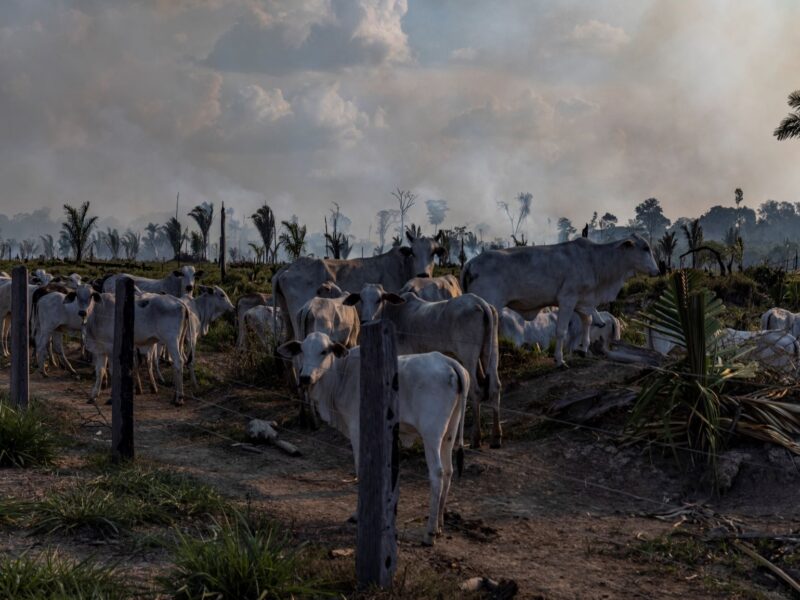
Brazil was responsible for 70% of the CO2e emissions from deforestation in Pan-Amazonia over the last 35 years
A MapBiomas study released at COP27 on changes in land use in threatened South American ecosystems found that expanding farming and cattle raising activities were drivers for the loss of Amazonian forests between 1985 and 2020.
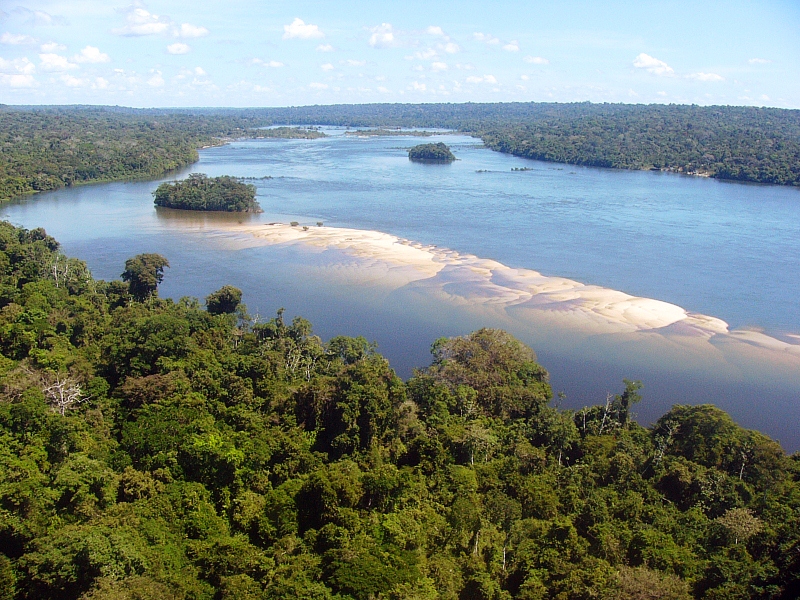
Protected areas absorb 27% of greenhouse gas emissions in Amazonia
A Brazilian Climate Observatory study found that the dense vegetation in the states of Amazonas and Amapá, regions whose territories are more than half composed of Conservation Units and Indigenous Territories, was able to remove all the CO2e that had been released to their atmosphere in 2021.