

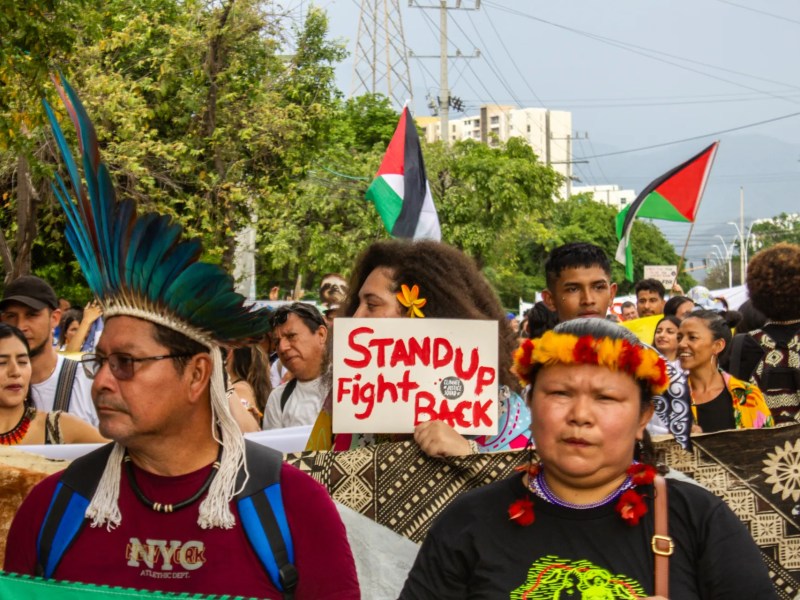
Representatives of Indigenous Peoples from different countries are asking that projects using critical minerals or related to the green economy, such as carbon credits, be based on the premise of not affecting Indigenous rights and their territories. Furthermore, they demand a leading role in conferences, not only when proposing solutions, but also when making decisions alongside governments.
Tag: indigenous peoples
Eneva is authorized to drill the only active gas block on Indigenous Land in the Legal Amazon
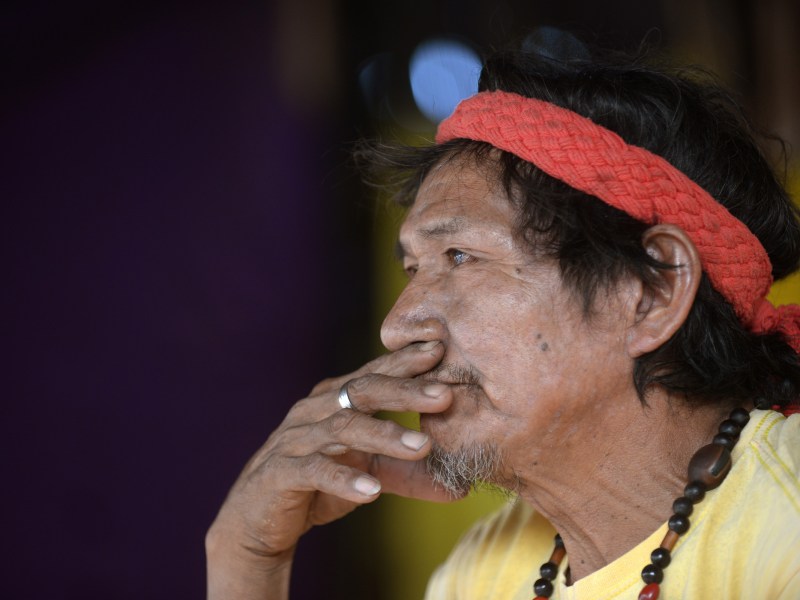
Over 75% of the Krenyê territory, in the Brazilian Maranhão state, overlaps a block granted for fossil exploration where drilling could begin in 2026. Allegedly to help the energy transition, expansion of production at the Parnaíba Thermoelectric Complex bets on energy generation and the transformation of the MATOPIBA area into a logistics corridor for gas and grains, impacting quilombola territories and protected areas.

After Belém: The legacy of COP30 for defenders of the Amazon and the Global South
Conference expands participation of peoples and movements and recognizes rights in UN agreements but still has to confront fossil fuels, critical minerals, megaprojects, and violence in the territories.
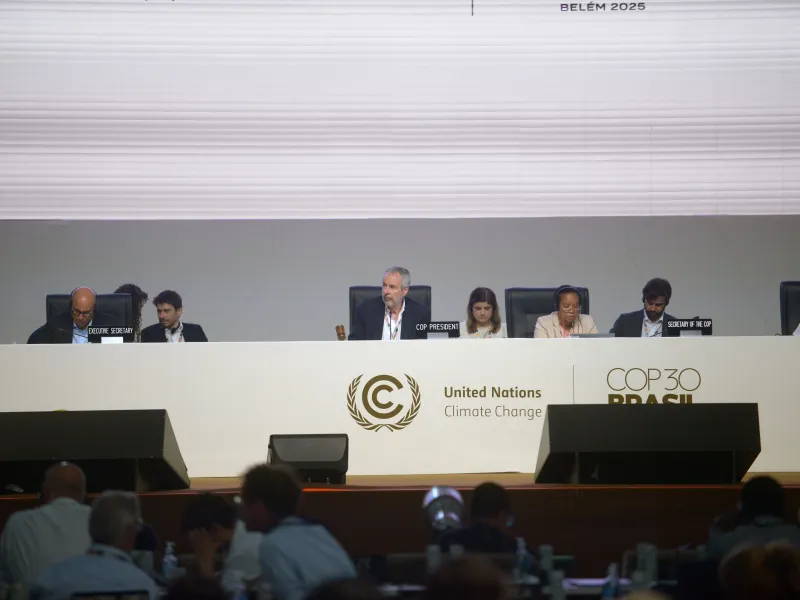
COP30 ends with minimal commitments, Latin American objections, and lots of work ahead
The conference that sought agreements and actions to mitigate the impacts of global warming ended with criticism of its final decisions that did not include clear targets to transition away from fossil fuels, its superficial texts on mitigation, adaptation and financing, and its lack of transparency.
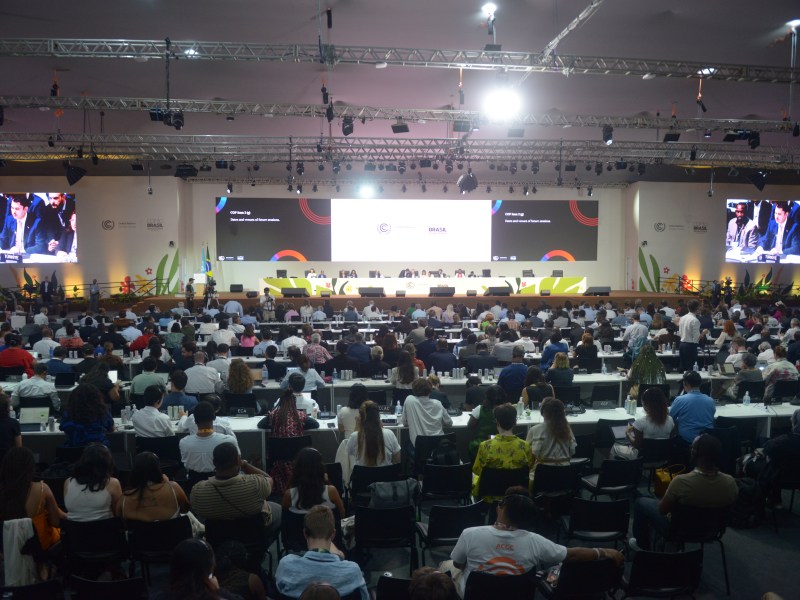
In a historic achievement, Afro-Descendants and Indigenous Peoples’ prior consultation are included for the first time in the UN Climate Conference
The recognition was included in the text on just energy transition, but also in other key texts of COP30, alongside the defense of Indigenous territorial rights.

Funding, adaptation and protests: highlights of the first week of COP30
InfoAmazonia summarizes the first week of the Conference, which began with the approval of the work agenda – still with four pending issues – and was followed by obstacles to setting adaptation indicators and by indigenous demonstrations at the entrance to the event. The week also saw the resumption of the Global Climate March after three COPs held in countries with restrictions on freedom of expression.
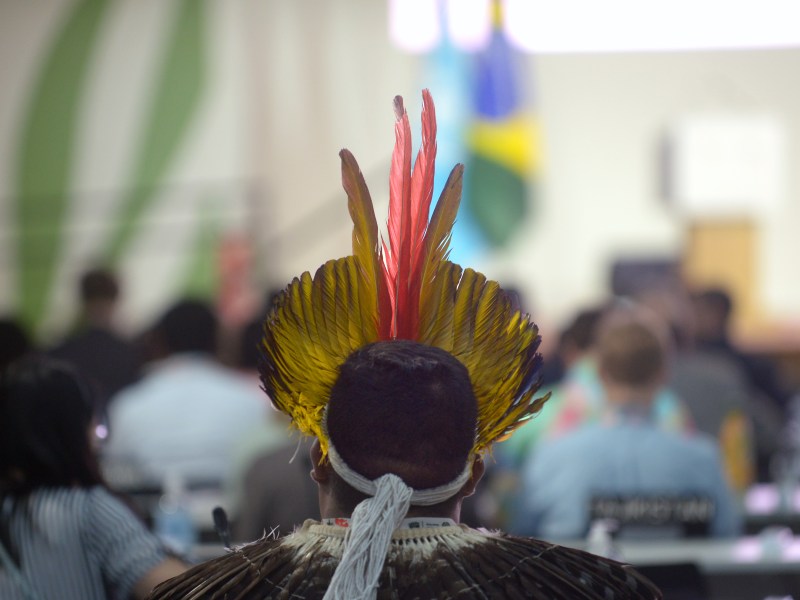
Despite record turnout, only 14% of Indigenous Brazilians are expected to access decision-making spaces at COP30
The Coalition of Indigenous Peoples of Brazil (APIB) estimates 2,500 Indigenous people from across Brazil have gathered in Belém. Leaders are demanding a bigger role in the negotiations and the inclusion of land demarcation as climate policy.
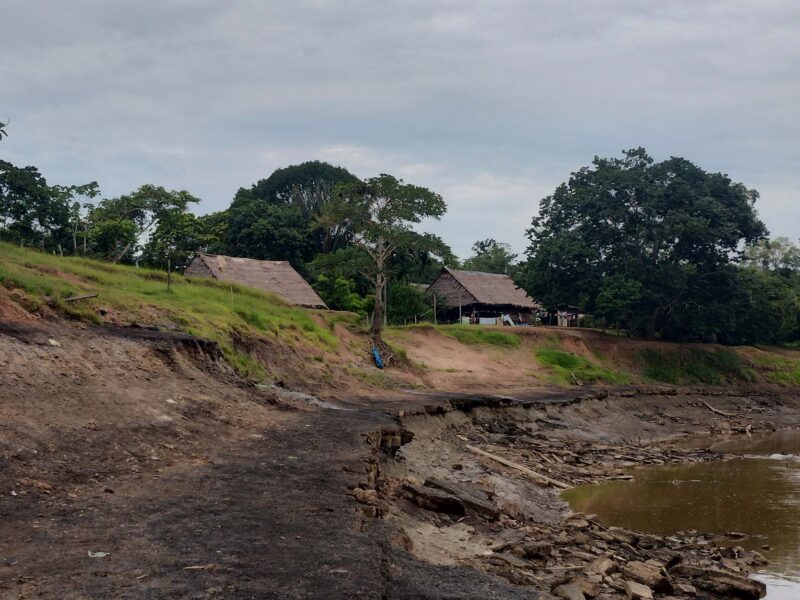
Perenco: no word from oil firm about environmental damages in Peruvian Amazon
Anglo-French multinational Perenco claims to adopt sustainable practices around the world, ignoring its 58 environmental violations in the Peruvian Amazon that affect ecosystems and its people, as shown by an investigation conducted by InfoAmazonia and international allies. In the department of Loreto, local indigenous communities directly and indirectly influenced by Block 67 were not aware that the company had been sanctioned for environmental violations.
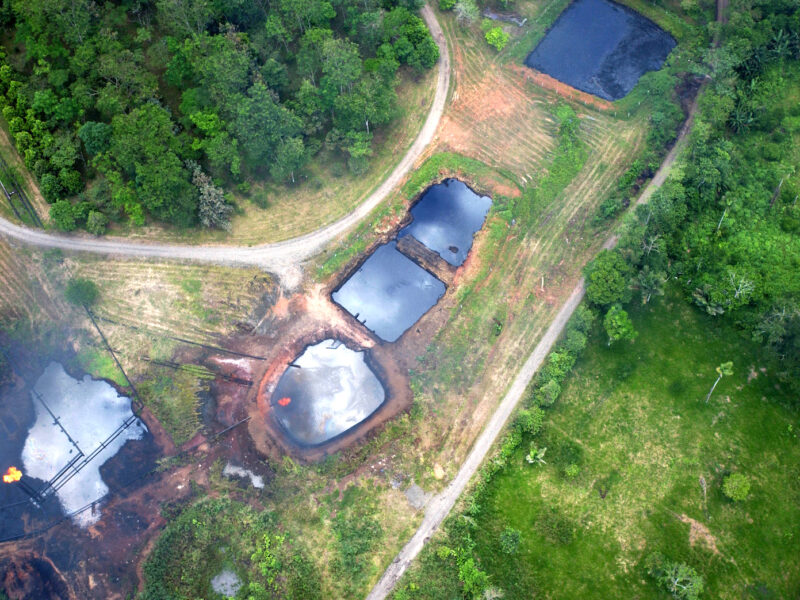
In the Ecuadorian Amazon, oil threatens decades of Indigenous-led conservation
Ecuador’s Socio Bosque project has been key to safeguarding the rainforest. Now the country’s state-owned oil company is exploiting its many loopholes.
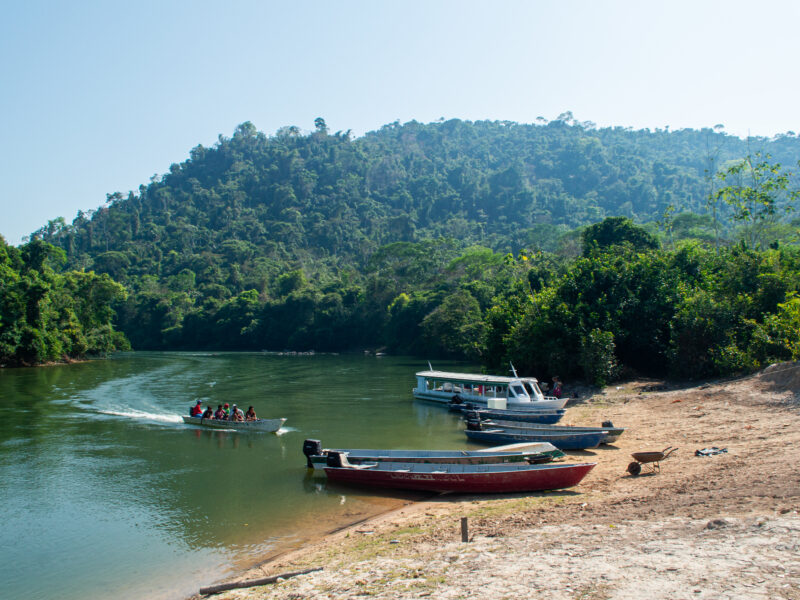
Shell affiliate accused of violating Indigenous rights in carbon credit contracts
Indigenous people claim that Carbonext allegedly pressured communities to sign documents with blank sheets. The company denies the accusations and, shortly after allegations of rights violations and non-compliance with international conventions in suspicious contracts on indigenous lands in the Amazon, withdrew from the business.