


In Las Claritas, the heart of Venezuela’s mining region, cracks began to appear in the alliance between organized crime, political power, and security forces. A military operation targeting mines controlled by illegal armed groups, followed by the U.S. announcement of the alleged killing of Tren de Aragua leader “Niño Guerrero,” signals an attempt to reconfigure power in southern Venezuela, a strategic region due to its vast gold reserves and its role in the new negotiations between Caracas and Washington.
Tag: garimpo

Gold, excavators and rifles: armed groups and militias control the Sararé Indigenous Territory
Operating within the ancestral territory, the Comando Vermelho vies for control alongside schools, health clinics, the local office of Brazil’s federal agency for Indigenous affairs (Funai), garimpeiros and militias, while controlling the machinery driving deforestation in Mato Grosso, a Brazilian state that borders Bolivia.
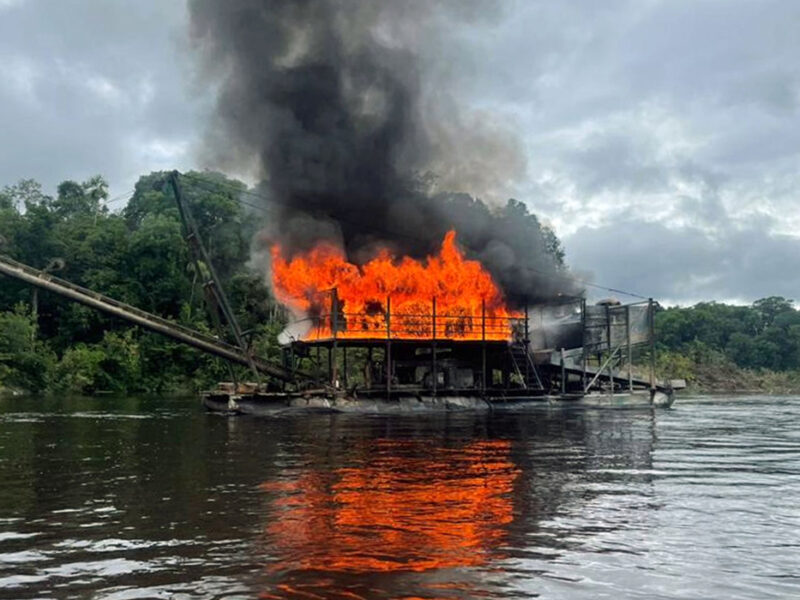
Illegal gold miners remove equipment and escape crackdown in Amazonas
Satellite images show that the interruption of gold mining immediately changed the color of the river. Operators of dredges, which can cost up to US$1.4 million, said they planned to return to the area after the government anti-mining operation ended.
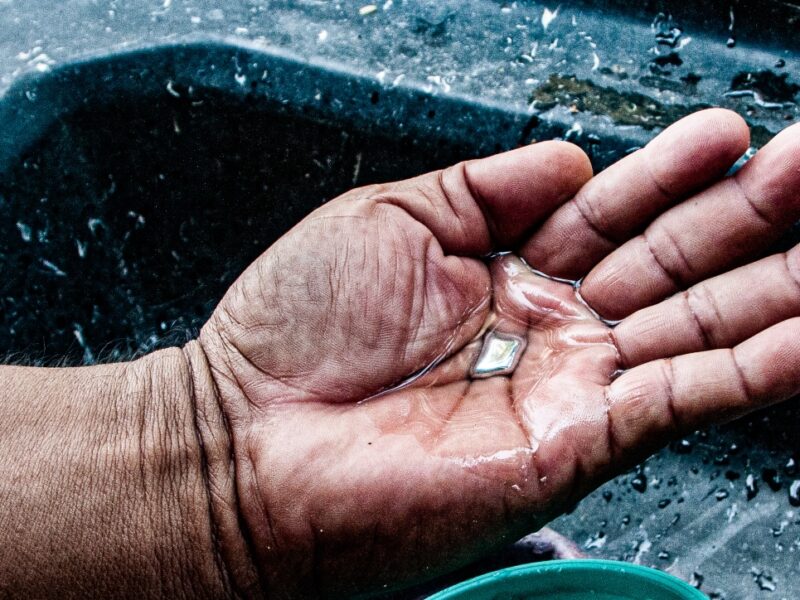
From Bolivia to the Tapajós: mercury trafficking for wildcat mining operations on Munduruku Indigenous Territories
InfoAmazonia visited location where illegal mercury is sold along the border between Bolivia and Brazil, for illegal use by wildcat gold mining operations in Amazonia. After the Minamata Convention, Bolivia became the world’s largest mercury importer and it is estimated that half of the metal is sold as contraband to neighboring countries including Brazil, which has eliminated its legal mercury imports.

From mining to fish: how mercury contaminates the Munduruku Indigenous community
Carnivorous fish are among the most consumed by the Munduruku and the most contaminated by mercury. Scientists suspect the toxic metal, found in the bodies of the members of this indigenous community is seriously affecting the health of adults and children who are born with malformations and developmental delays. Munduruku women already avoid getting pregnant.
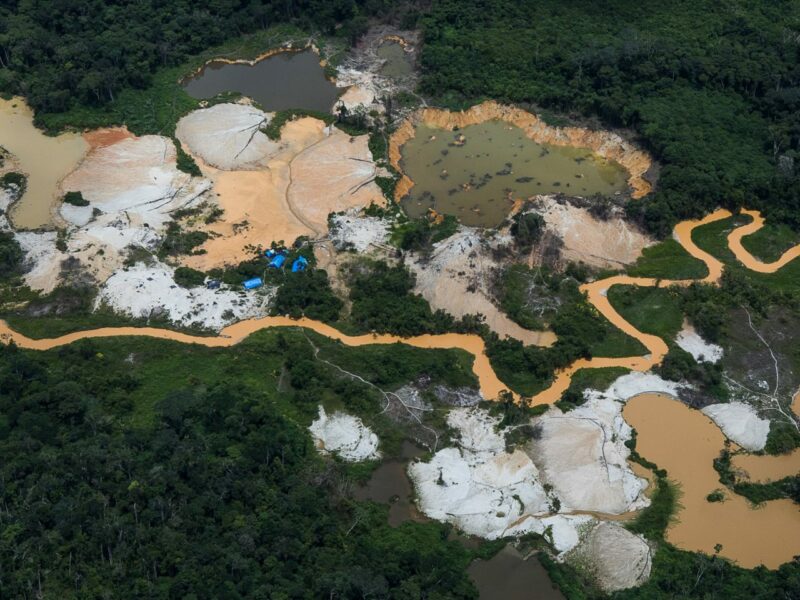
Gold, not potassium: the real interest of mining on indigenous lands
Forty three percent of all mining requests on the indigenous lands in the Brazilian Amazon lands are for gold extraction, an InfoAmazonia data analysis reveals. In several of these targeted areas, satellite images show that there is gold mining already taking place without authorization.
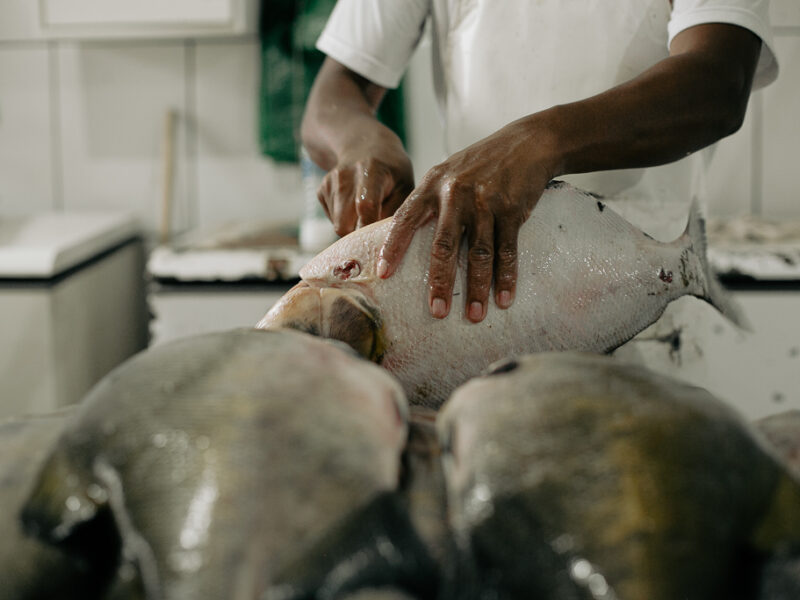
New study suggests that mercury contamination is widespread among residents of the Amazon
Although living 186 miles away from the area along the Tapajós River where illegal mining is concentrated, Santarém’s inhabitants are at high risk of mercury poisoning.
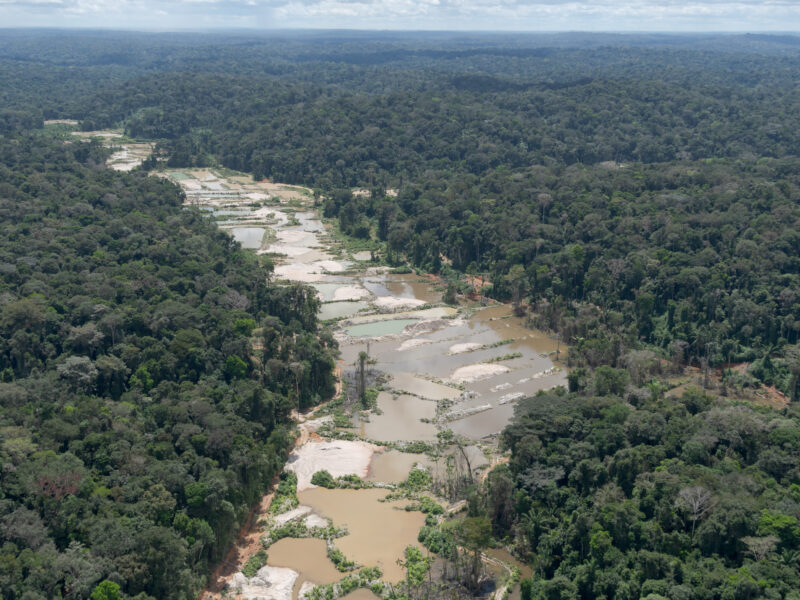
Every person in three indigenous Munduruku villages in Pará is contaminated by mercury from wildcat mining
Studies by Fiocruz show that 60% of the indigenous people of the Sawré Muybu Indigenous Land have this toxic metal in their bodies above the limit tolerated by the WHO. Mining in indigenous lands has grown by almost 500% in a decade.
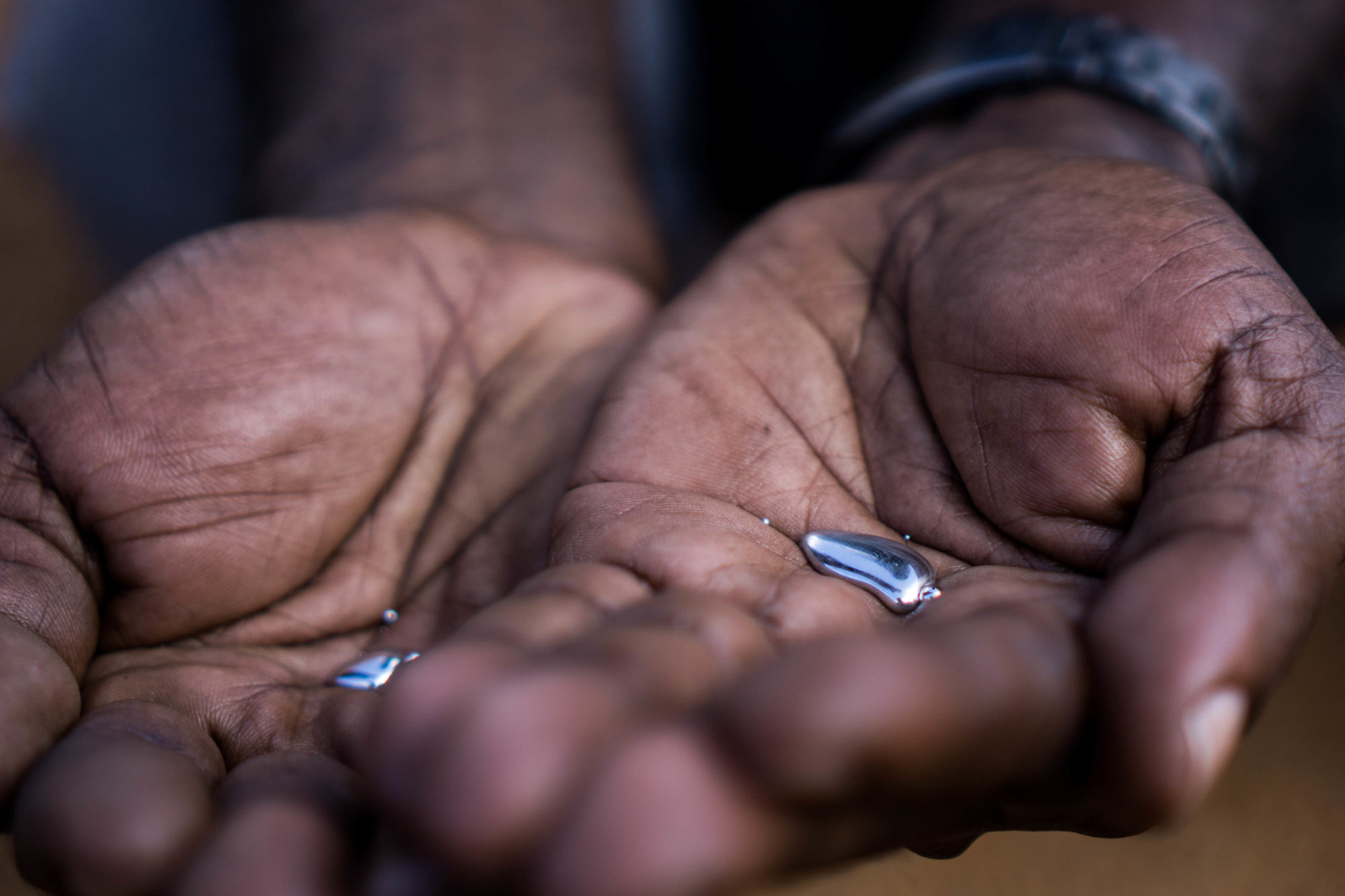
New study: Amazon authorities can’t get a grip on mercury trade
A new report dives into the underworld of the mercury trade, as experienced across the Amazon region; in Bolivia, Guyana and Suriname.