

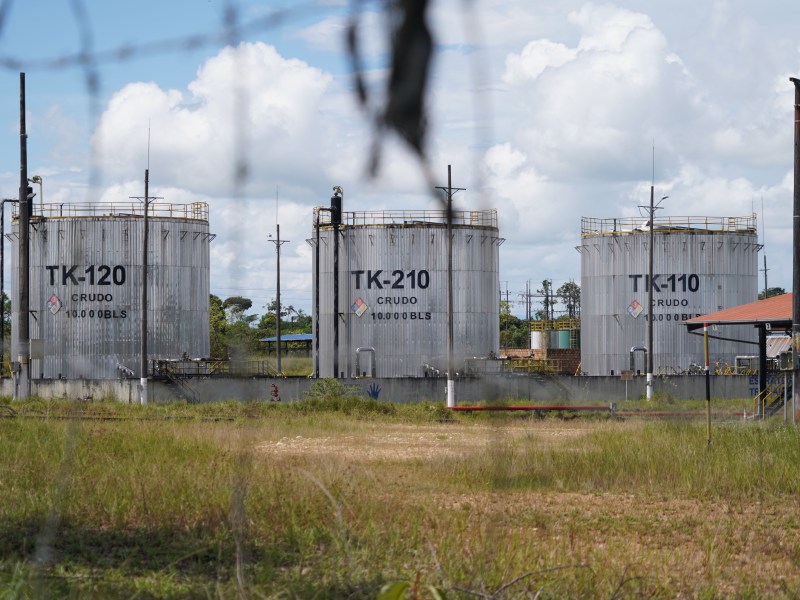
Almost the entire Ombú oil block, operated by Emerald Energy, overlaps Colombia’s Macarena Special Management Area, created to conserve connectivity between the Andean, Amazon and Orinoquía natural regions. The project, now suspended after social protests, exposes the tensions caused by hydrocarbon extraction in protected areas without clear regulations.
Posted inlong form / Indigenous people
Eneva is authorized to drill the only active gas block on Indigenous Land in the Legal Amazon
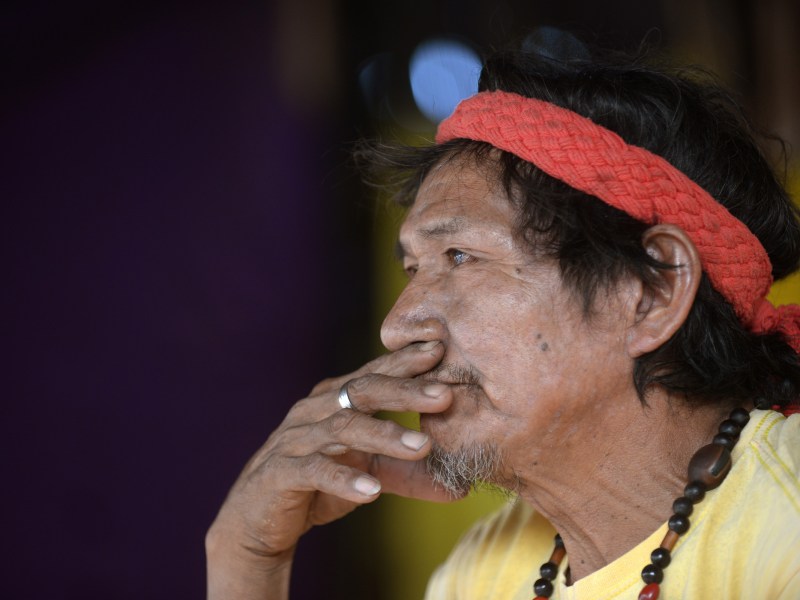
Over 75% of the Krenyê territory, in the Brazilian Maranhão state, overlaps a block granted for fossil exploration where drilling could begin in 2026. Allegedly to help the energy transition, expansion of production at the Parnaíba Thermoelectric Complex bets on energy generation and the transformation of the MATOPIBA area into a logistics corridor for gas and grains, impacting quilombola territories and protected areas.

Posted inlong form / Oil
Fueling Ecocide: 7,000 protected areas are threatened by oil and gas projects worldwide
The “Fueling Ecocide” investigation, led by Environmental Investigative Forum (EIF) and European Investigative Collaborations (EIC), reveals that oil and gas licences overlap with 7,000 protected areas worldwide. The total overlap is 690,000 km², an area bigger than the size of France — despite existing regulations and ongoing efforts to safeguard key biodiversity zones.

Posted inlong form / Defenders
After Belém: The legacy of COP30 for defenders of the Amazon and the Global South
Conference expands participation of peoples and movements and recognizes rights in UN agreements but still has to confront fossil fuels, critical minerals, megaprojects, and violence in the territories.

Posted inlong form / Amazon Underworld
The Critical Minerals Trade: The Illegal Route Connecting the Amazon with China
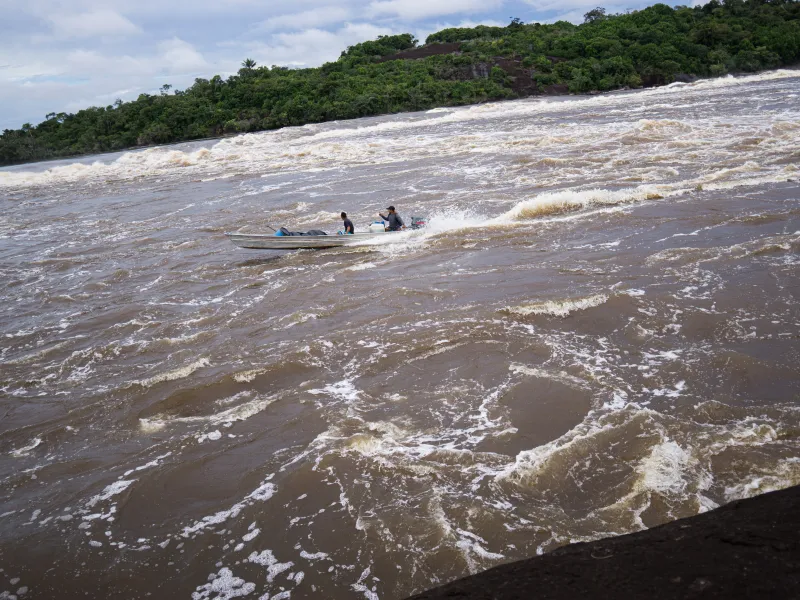
A complex network of actors has emerged around the critical minerals of the Amazon. Some operate along contested river corridors, trading with guerrilla groups and corrupt security forces. Others, under a façade of legality, move massive quantities of material through large port cities connected to international trade routes. Together, these operations endanger the environment and the sovereignty of entire nations.
Posted inlong form / Amazon Underworld
Chorrobocón’s Gamble: Betting on Critical Minerals
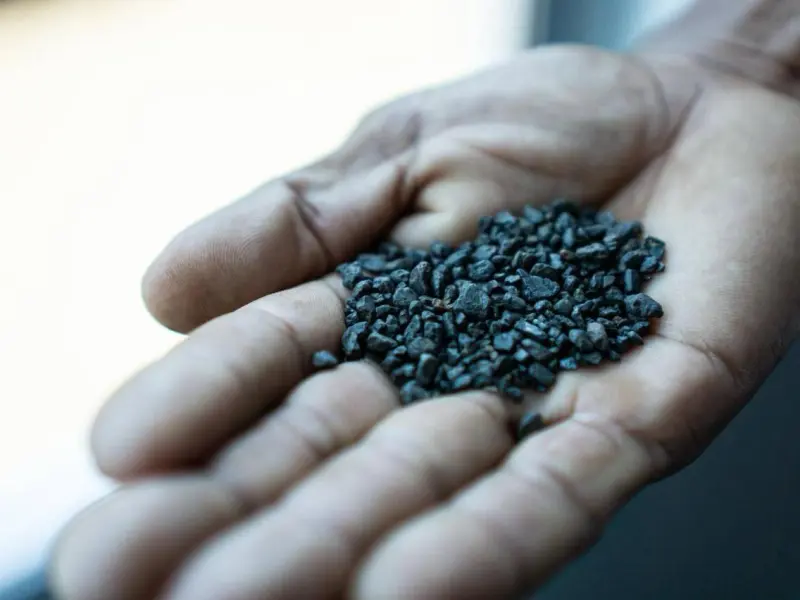
In Colombia’s jungles, where the deep green of the Amazon collides with poverty and exclusion, a hidden and dangerous business flourishes. In the remote corners of Guainía, Indigenous communities such as the Puinave find themselves trapped in illegal mining, an activity that allows them to survive but threatens to destroy the land they inhabit. With the decline of gold, strategic minerals have risen as a promise for the future. However, this new mineral rush, which promises to be less polluting than gold mining, carries enormous environmental and social risks.
Posted inlong form / Amazon Underworld
The Price of Progress: The Dark Side of Critical Minerals in the Amazon
Based on extensive fieldwork and an investigation of supply chains, tracing minerals from extraction to international buyers, we reveal how the global race for the inputs of the energy transition is intensifying violent disputes along the Colombia–Venezuela border, where armed groups control the territory, commit systematic abuses, and destroy one of the planet’s most important carbon sinks.
Posted innews / COP30
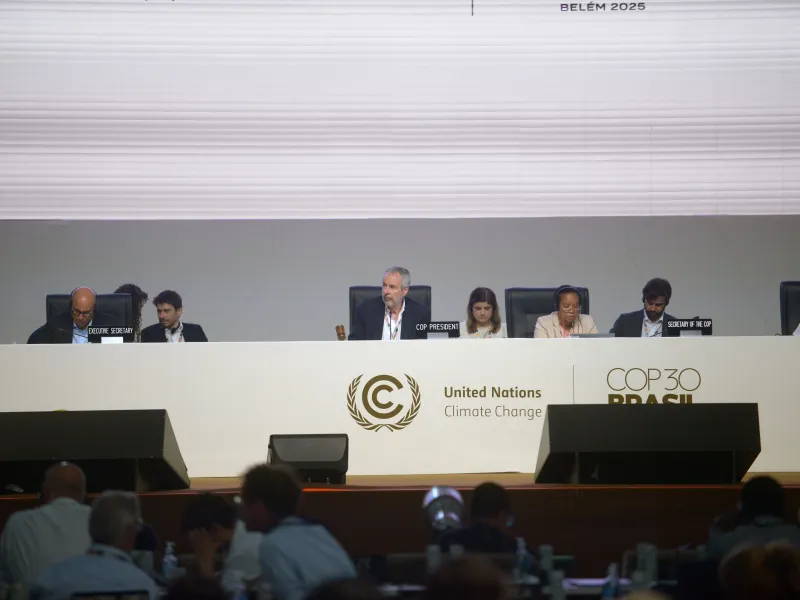
COP30 ends with minimal commitments, Latin American objections, and lots of work ahead
The conference that sought agreements and actions to mitigate the impacts of global warming ended with criticism of its final decisions that did not include clear targets to transition away from fossil fuels, its superficial texts on mitigation, adaptation and financing, and its lack of transparency.

Posted innews / COP30
Without global consensus, Brazil seeks a roadmap with scientists and oil companies to keep the fossil fuel phase-out proposal alive
Amid diplomatic progress and domestic contradictions, Brazil tries to turn its proposal to gradually eliminate oil, gas, and coal into a global roadmap. Studies backing the roadmap presented in Belém are set to involve international agencies, scientists, and representatives from the oil sector, while the country keeps exploration of new reserves in the Amazon open.
Posted innews / COP30
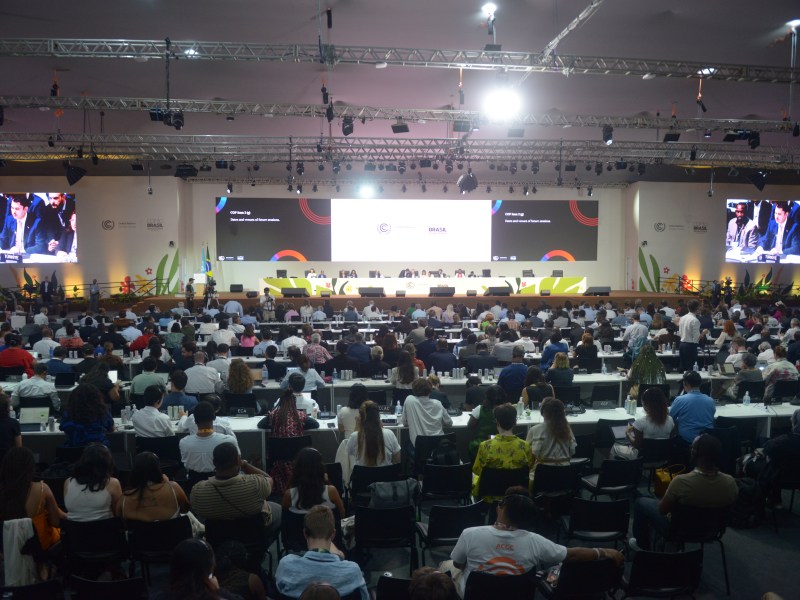
In a historic achievement, Afro-Descendants and Indigenous Peoples’ prior consultation are included for the first time in the UN Climate Conference
The recognition was included in the text on just energy transition, but also in other key texts of COP30, alongside the defense of Indigenous territorial rights.