

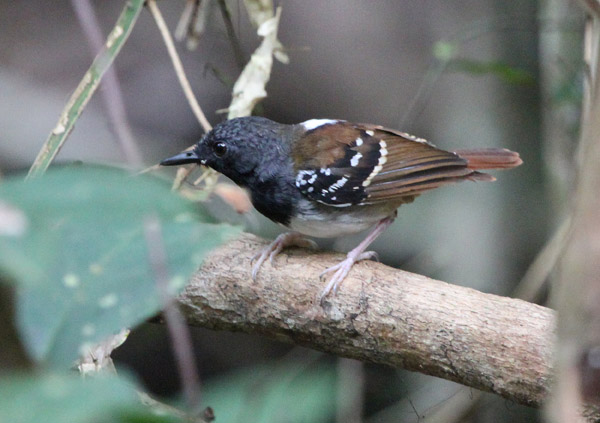
Study shows the impact of road construction in the Amazon on biodiversity and the birds of the Amazon.
Mongabay
With more than one million unique visitors per month, Mongabay.com is one of the world’s most popular environmental science and conservation news sites. The news and rainforests sections of the site are widely cited for information on tropical forests, conservation, and wildlife. Mongabay.com seeks to raise interest in and appreciation of wild lands and wildlife, while examining the impact of emerging trends in climate, technology, economics, and finance on conservation and development.
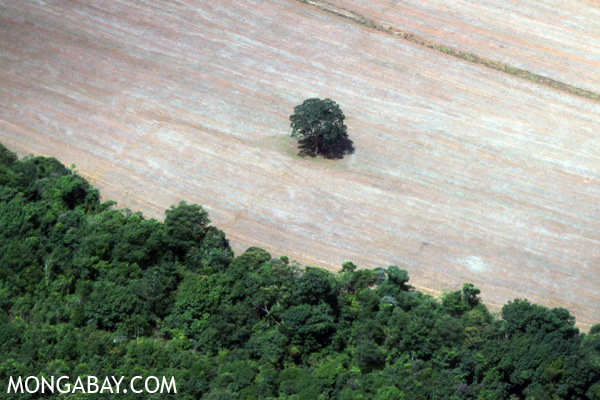
Deforestation climbing – along with fears – in the Amazon
Deforestation in the Brazil Amazon continues to pace well ahead of last year’s rate, shows data released today by Imazon.
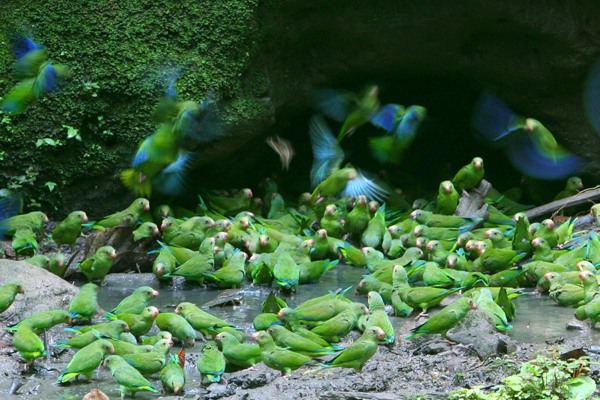
Ecuador sends aid money back to Germany over planned rainforest visit
Ecuador has said it will return around $9 million in funds from Germany for environmental projects around the country. The country cancelled the visas of the visiting German legislators and did not allow them to visit Yasuni National Park as planned.
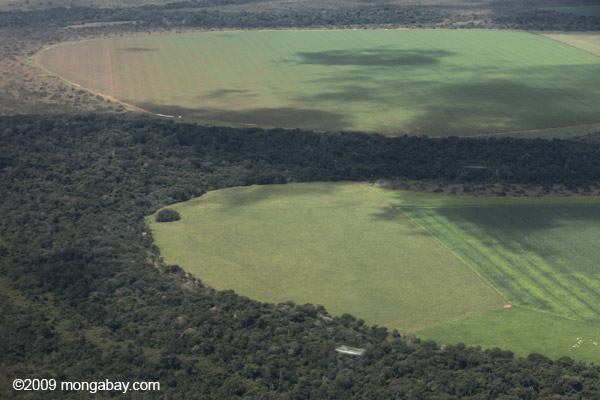
Threatened indigenous forests store more than half the Amazon’s carbon
New study asserts lax, nonexistent land rights put indigenous-held forests at risk of development
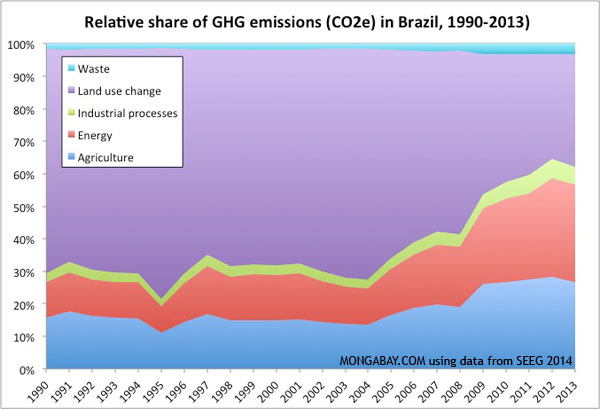
Rising deforestation, fossil fuels use drive Brazil’s emissions 8% higher
Brazil’s carbon dioxide emissions jumped 7.8 percent in 2013 due to rising deforestation and fossil fuels use, according to data released by Observatório do Clima (Climate Observatory), an alliance of Brazilian and international non-profits.
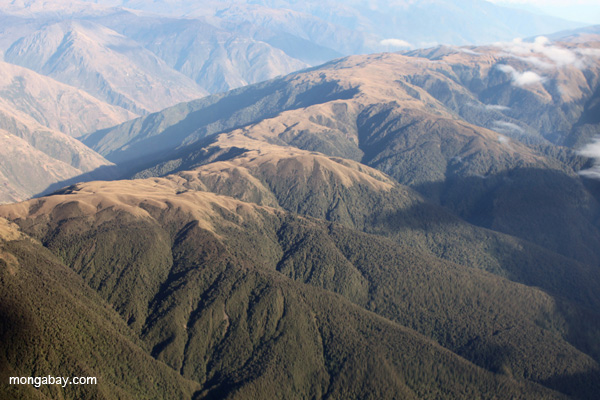
Carnegie Airborne Observatory: Field plots offer biased view of the Amazon
Field plots in the Amazon are often not representative of the habitats surrounding them, potentially biasing extrapolations made across the region.
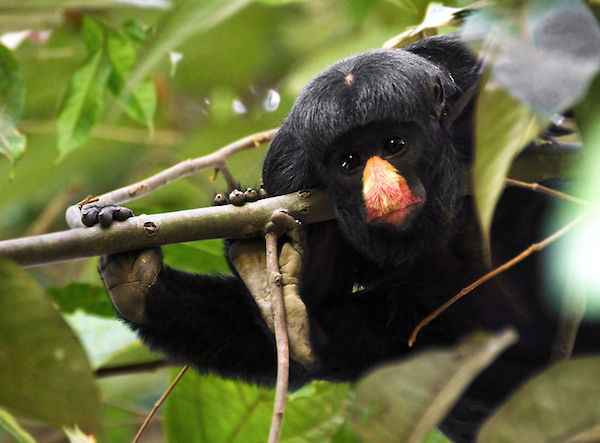
Brazil creates rainforest reserve that’s larger than Delaware
The new Alto Maues federal reserve encompasses some 668,000 hectares. The area surrounding it has lost significant amounts of forest cover over the past decade.

‘River wolves’ recover in Peruvian park, but still remain threatened
A new study in PLOS ONE finds that the species’ population has recovered to full capacity in most of its habitat in Manu National Park in Peru.
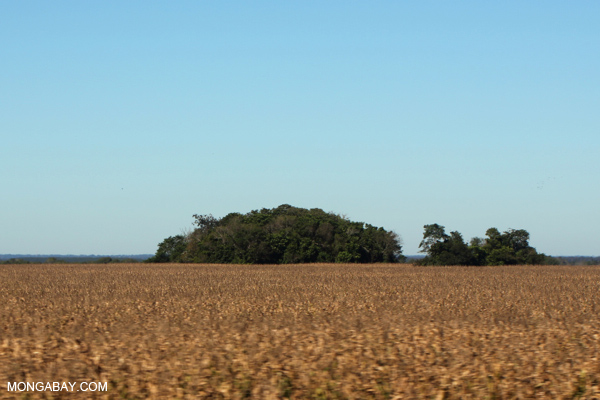
Forest fragmentation’s carbon bomb: 736 million tonnes C02 annually
When forests are slashed into fragments, winds dry out the edges leading to dying trees and rising temperatures. Now, a new study finds another worrisome impact of forest fragmentation: carbon emissions.
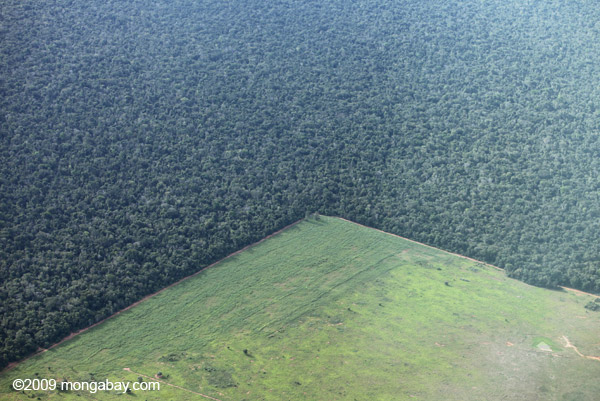
Brazil unlikely to keep reducing deforestation without new incentives
Cattle ranchers that drive the vast majority of forest clearing in the Brazilian Amazon are unlikely to be held at bay indefinitely unless they are afforded new incentives for keeping trees standing, argues new analysis published by an economic research group.