

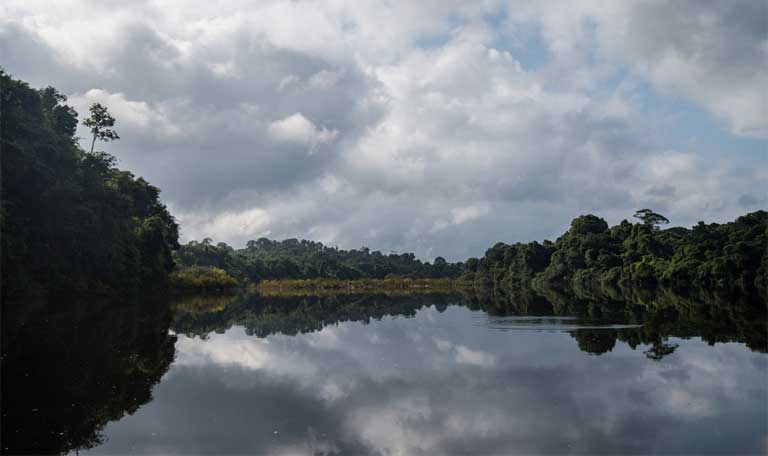
Today’s small family-run Brazil nut processing center prospers, while Henry Ford’s rubber plantation and Julio Vito Pentagna Guimarāes’s mega-cattle ranch have been reclaimed by the jungle.
News
Posted in
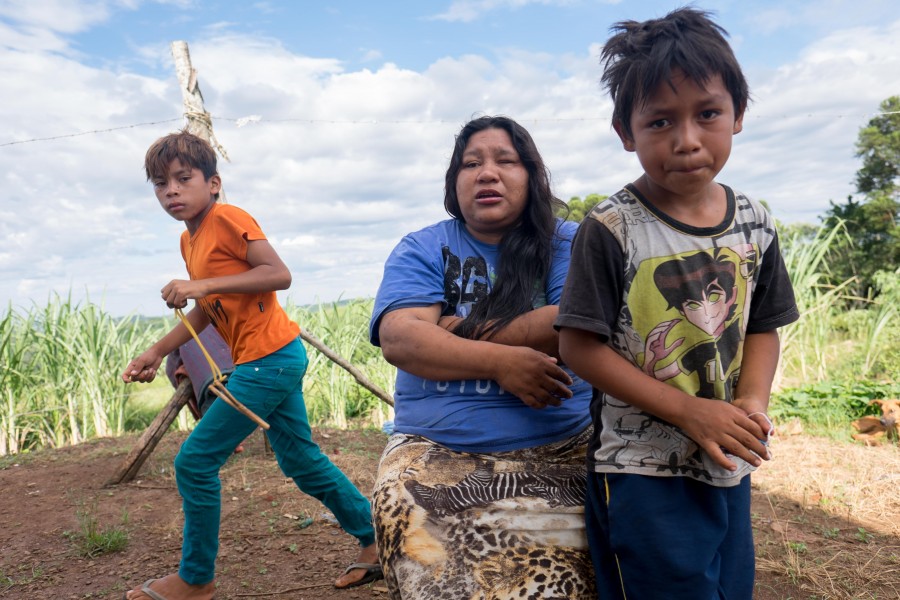
Toddler’s murder in Brazil unveils widespread violence against indigenous
Two cases of prejudice and violence —the murders of Vitor and Dos Santos— are two extremes of a reality that is lived daily by Brazil‘s indigenous population.
Posted in
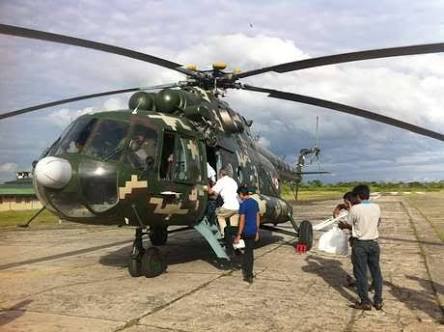
Indigenous community takes hostages in an effort to draw attention to oil spill
A helicopter from Peru‘s Air Force that was helping to monitor the area has been stopped and held by a group of locals. There were food and fresh water aboard, meant to be distributed among the people of Mayuriaga.
Posted in
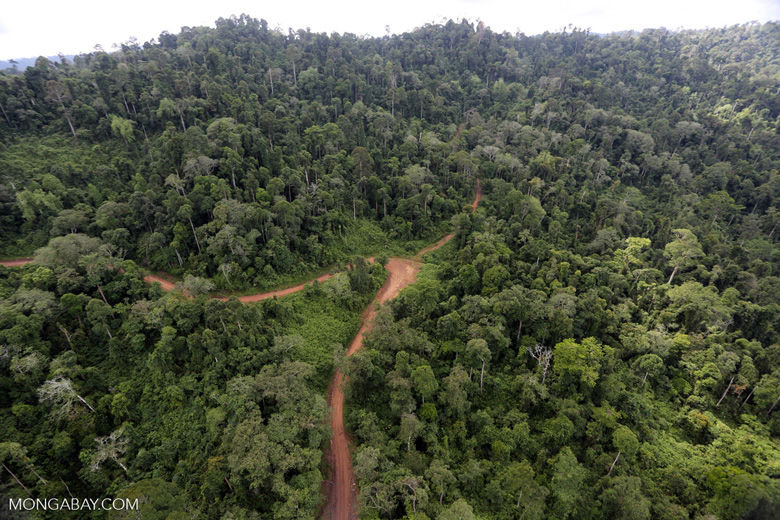
Want to keep tabs on that new logging road in Peru? Well, now you can
A new deforestation alert system lets users know about forest changes in just a week.
Posted in
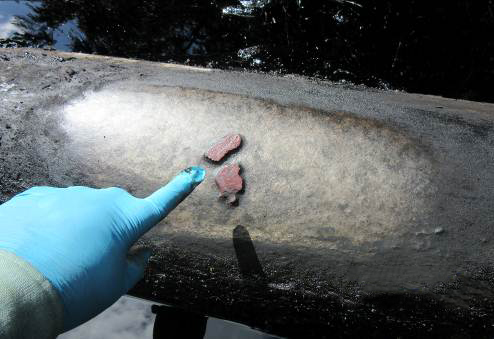
A month since Peru’s oil spill, indigenous people criticize PetroPeru’s negligence
Almost a month since an oil spill, the new autonomous Wampis peoples’ government is asking the Peruvian government to take definitive and drastic measures.
Posted in
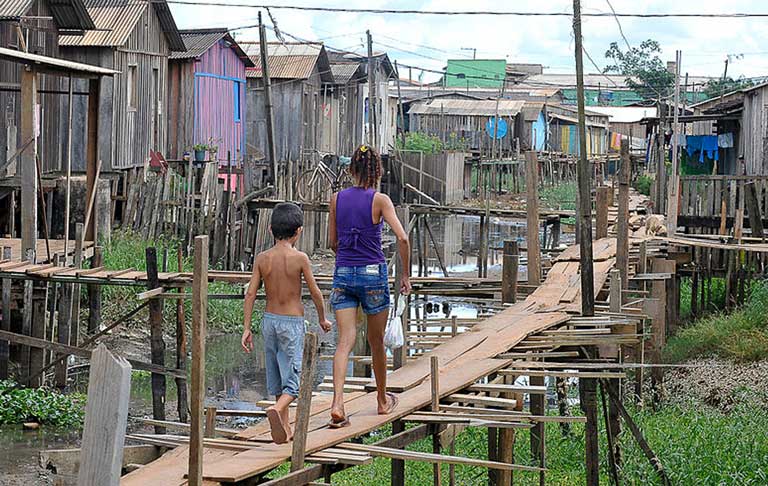
Report from the Amazon: Altamira, a city transformed by the Belo Monte dam
Where rainforest stood, Amazon basin boom towns spring up to house workers building dams, roads, transmission lines and other infrastructure — cities like Altamira lack basic sanitation and have high crime rates.
Posted in
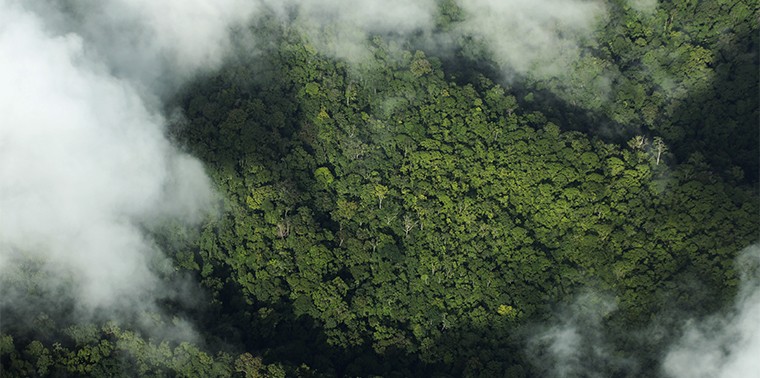
Ensia: Global deforestation is decreasing. Or is it?
A new look at the complex picture of land use change suggests that when it comes to forests, we’re far from being out of the woods.
Posted in
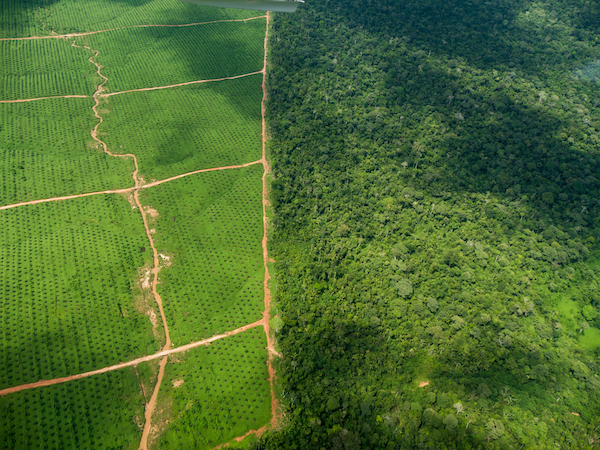
The African palm oil frontier expands deeper into the Peruvian Amazon
Peru may be worried to conservation of its tropical forests, but deforestation has been increasing, much of it due to expanded cultivation of African palm oil.
Posted in
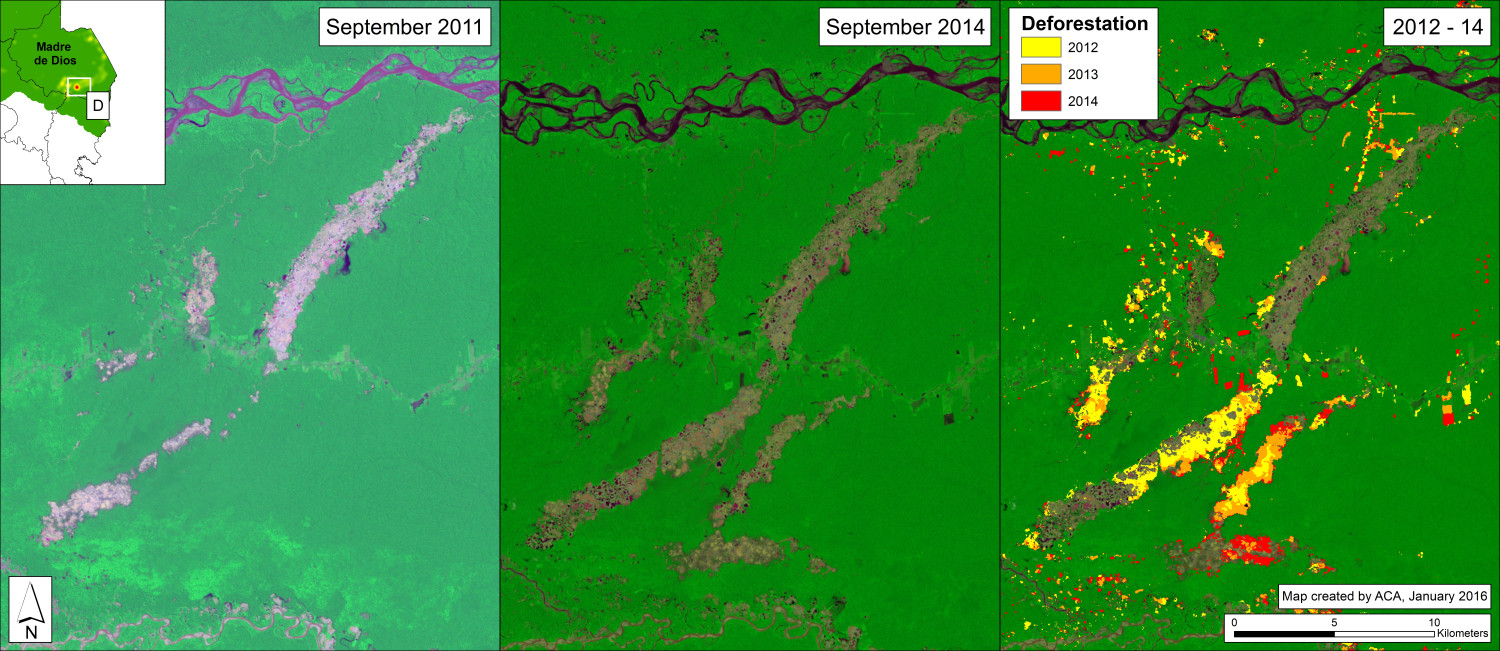
Map of deforestation hotspots in the Peruvian Amazon, 2012-2014
Deforestation continues to increase in the Peruvian Amazon. According to the latest information from the Peruvian Environment Ministry, 2014 had the highest annual forest loss on record since 2000.
Posted in
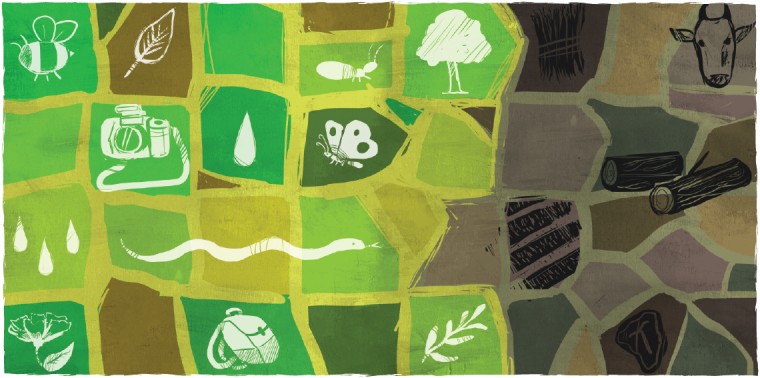
Is zero deforestation possible for the Brazilian Amazon?
YES, zero deforestation is possible for the Brazilian Amazon, just if we make sure economic growth, social justice and agriculture are part of the picture.