
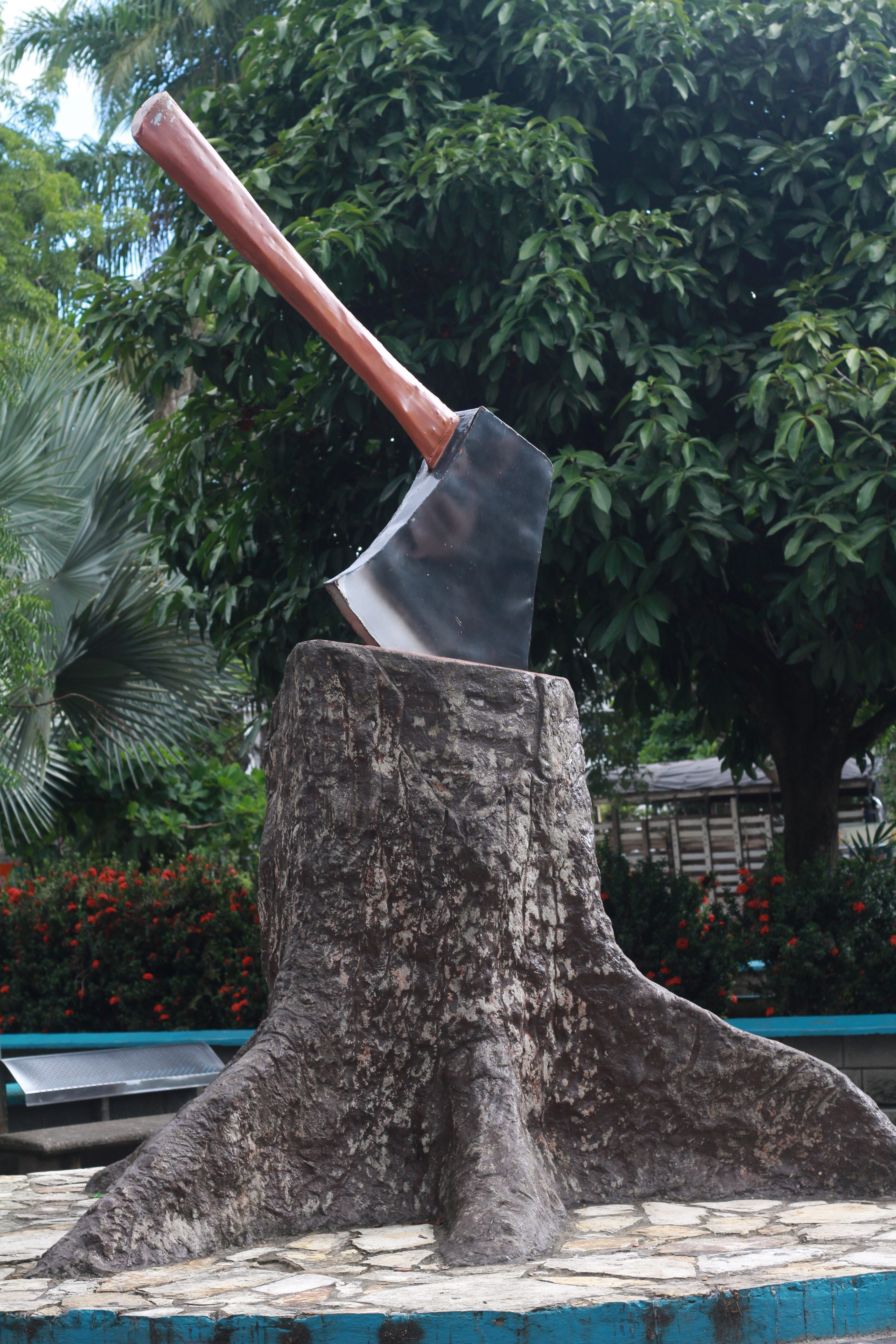
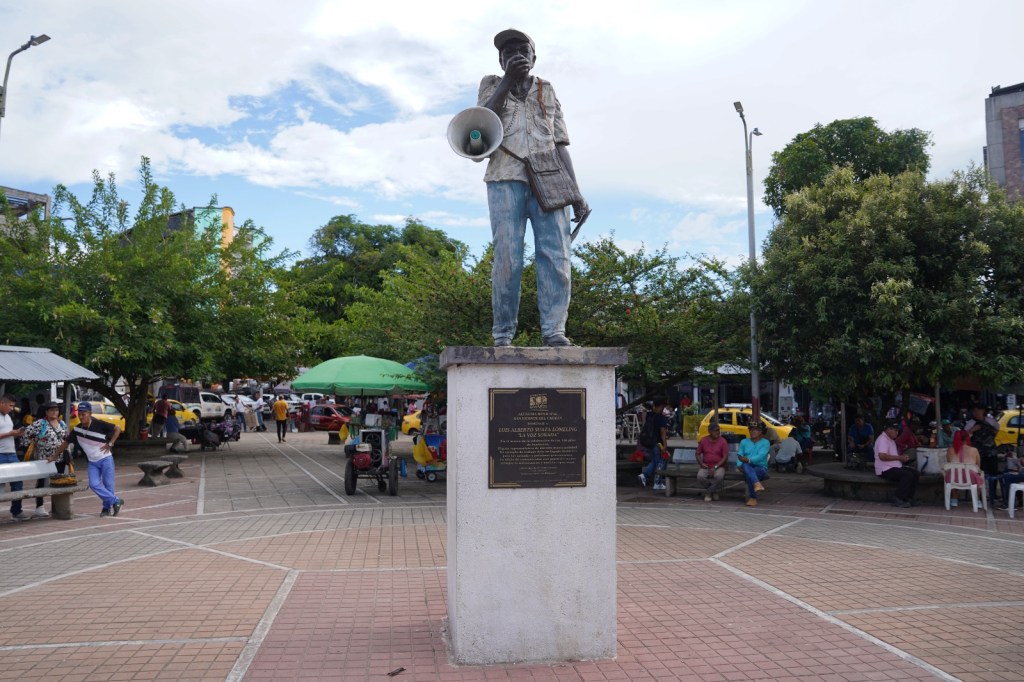
In the main public square of San Vicente del Caguán, in the northwestern part of the Colombian Amazon, there is a sculpture of a felled tree trunk with an axe on top, which also appears on the municipality’s official coat of arms. It is a symbol that recalls the various types of colonization that have occurred in this territory located in the “heart of the jungle,” as its anthem states. First came the rubber rush in the 19th century. Then, the missionaries arrived, and in the mid-1950s, the State encouraged the arrival of settlers by facilitating their access to land. Today, residents live amidst a new boom: hydrocarbons.
If one had to pinpoint a time when the “rush” to explore and exploit gas and oil began, it could be 2008. According to a report by Colombia’s National Environmental Licensing Authority (ANLA), that is when environmental assessment of the hydrocarbon sector began in the Caquetá department, where San Vicente del Caguán is located.
This town, with a population of just over 60,000 and temperatures usually hovering around 30°C, is part (almost 2%) of a much larger conservation area called the “La Macarena Special Management Area” (AMEM), created in 1989 to protect the connectivity between Colombia’s natural regions known as Andes, Orinoquía, and Amazonía. Its area is as large as Switzerland (3,871,790 hectares) and contributes, among other things, to supplying water to cities like Bogotá through the well-known “flying rivers.” Within its boundaries lies a patchwork of protected areas: the National Natural Parks La Macarena, Picachos, Sumapaz, and Tinigua, as well as Integrated Management Districts, Indigenous Reserves, and Protected Forest Reserves.
Today, AMEM is the protected and managed area with the most oil and gas concessions in the Colombian Amazon, according to the cross-border investigation Fueling Ecocide, conducted by newspaper El Espectador in partnership with InfoAmazonia and 12 other international media outlets from 18 countries, and led by the Environmental Investigative Forum (EIF) consortium along with the European Investigative Collaborations (EIC) network.
In this year-long project, we compared 315,000 areas included in the World Database of Protected Areas (WDPA) with geospatial data from 15,000 oil and gas licenses in 120 countries, shared with us by the Mapstand platform. In Colombia, the analysis found three hydrocarbon blocks – Ombú, CPO 9 and Sangretoro – overlapping the AMEM on a total of 1,301 square kilometres. It is the protected and managed area with the highest number of overlapping oil blocks and also the largest overlapping surface in the country.
The CPO 9 block operated by Ecopetrol signed a contract with the National Hydrocarbons Agency (ANH) in 2009 to assess and explore hydrocarbons in the department of Meta. Its heavy crude oil producing areas partially overlap the AMEM.
There is also the Sangretoro block, located in the departments of Meta and Caquetá. The contract was signed in 2011 between the ANH and Canacol Energy Colombia. Although it also partially overlaps the AMEM, its exploration stage has been suspended since 2016, pending land-use regulation by the regional environmental authority.
Should the idea of banning oil in the Amazon materialize, as the current government of President Gustavo Petro is pursuing, these blocks – at least in theory – could continue extracting crude oil until the end of the established Production Periods (24 years from the discovery and declaration of one or more oil deposits) with no right to extension. The Ministry of Environment, which is leading the process to restrict hydrocarbon exploration and exploitation throughout the Amazon, plans to allow projects already underway to continue until their contracts expire.
However, it will still be a long time before Colombia can accomplish this goal, since it will require prior consultation with Amazonian communities to obtain their approval – or not. Furthermore, for areas like the AMEM, many questions remain unanswered as to where oil and gas will be extracted. Regulation only began in 2016, after mining titles as well as exploration and production contracts had already been granted.
According to lawyer, historian, and Externado University of Colombia professor Eduardo del Valle Mora, this great diversity of areas with different protection statuses includes zones where land use has not been regulated. This task falls to the region’s environmental authority Cormacarena, which did not respond to our inquiries.
This situation has created enormous gaps and tensions, such as those resulting from crude oil extraction in the Ombú Block, in the municipality of San Vicente del Caguán. Of the three concessions overlapping the AMEM, this one covers the largest surface: 96% of it lies within the protected and managed area.
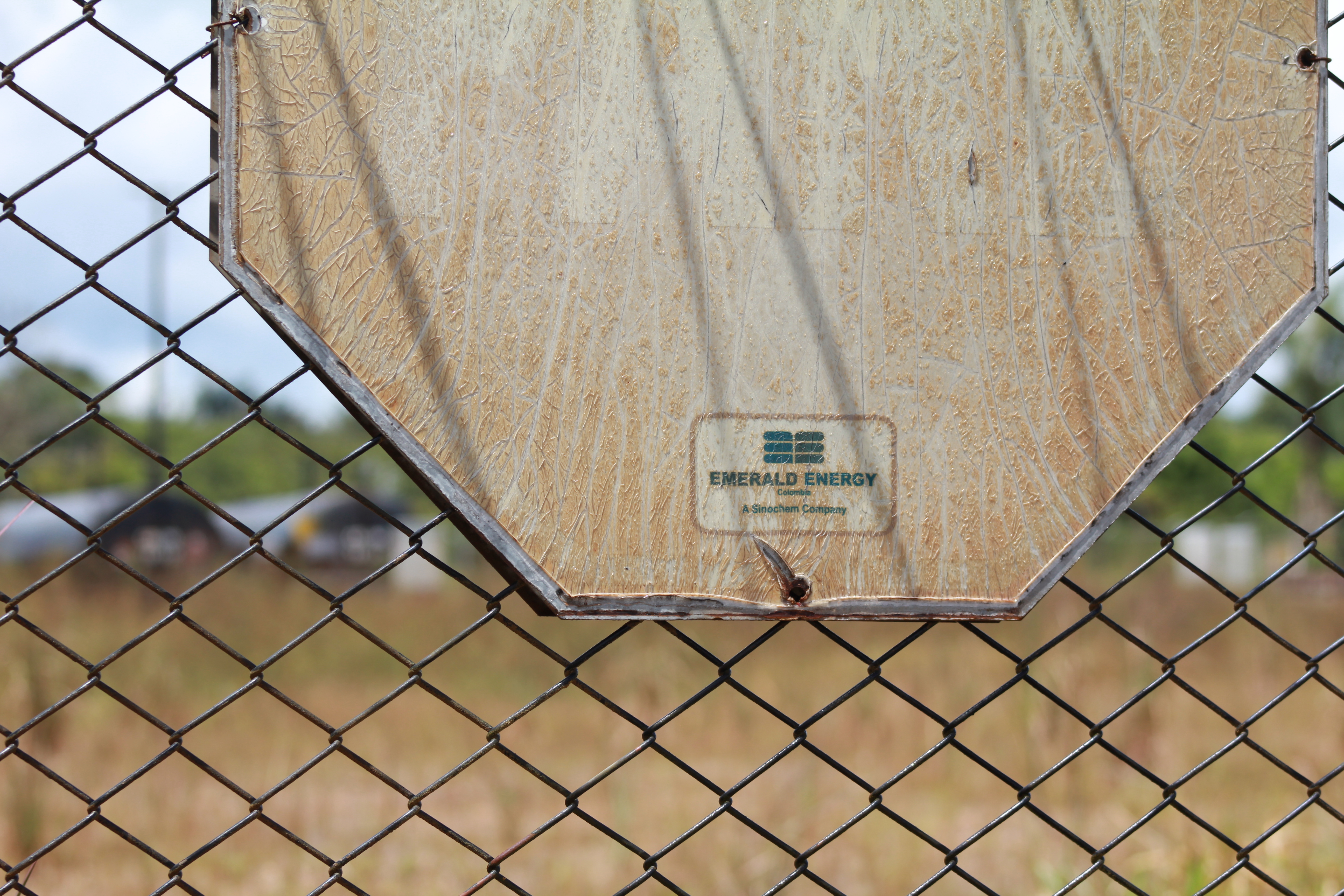
The story of the Ombú Block began on December 15, 2006, when Emerald Energy, a subsidiary of Chinese state-owned company Sinochem, signed a contract with the Colombian government to explore and produce hydrocarbons. The area encompasses two municipalities (La Macarena and San Vicente del Caguán), located in different departments: Meta and Caquetá.
Emerald Energy had a stroke of luck in 2008. It found oil in the Capella Field, within the Ombú Block. Following the discovery in the village of Los Pozos, in San Vicente del Caguán, which El Espectador visited as part of this journalistic alliance, the contract entered its 24-year Exploitation Period that started in 2011. The National Environmental Licensing Authority (ANLA) granted the environmental license, and the regional authority Cormacarena gave its approval, as confirmed to this newspaper.
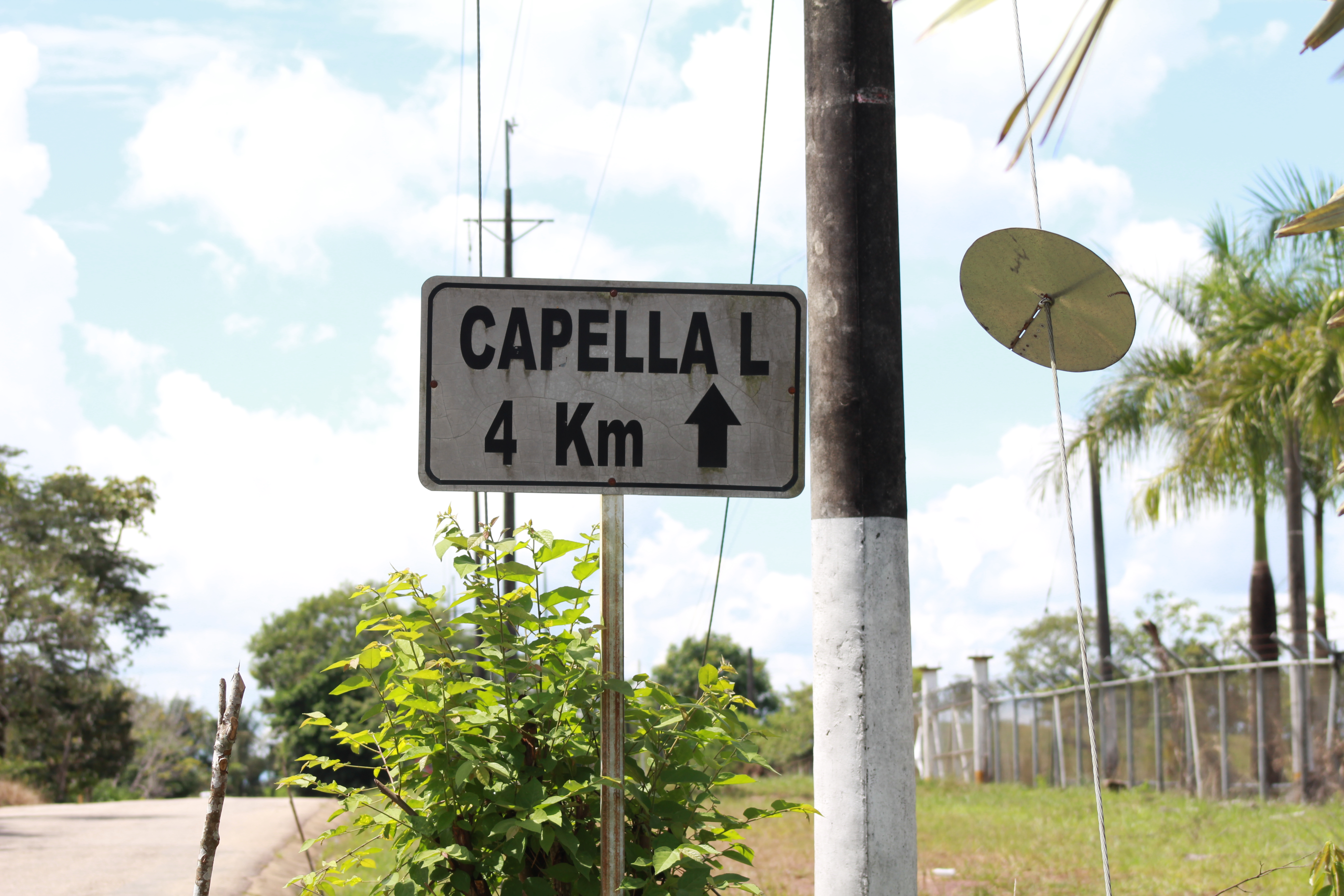
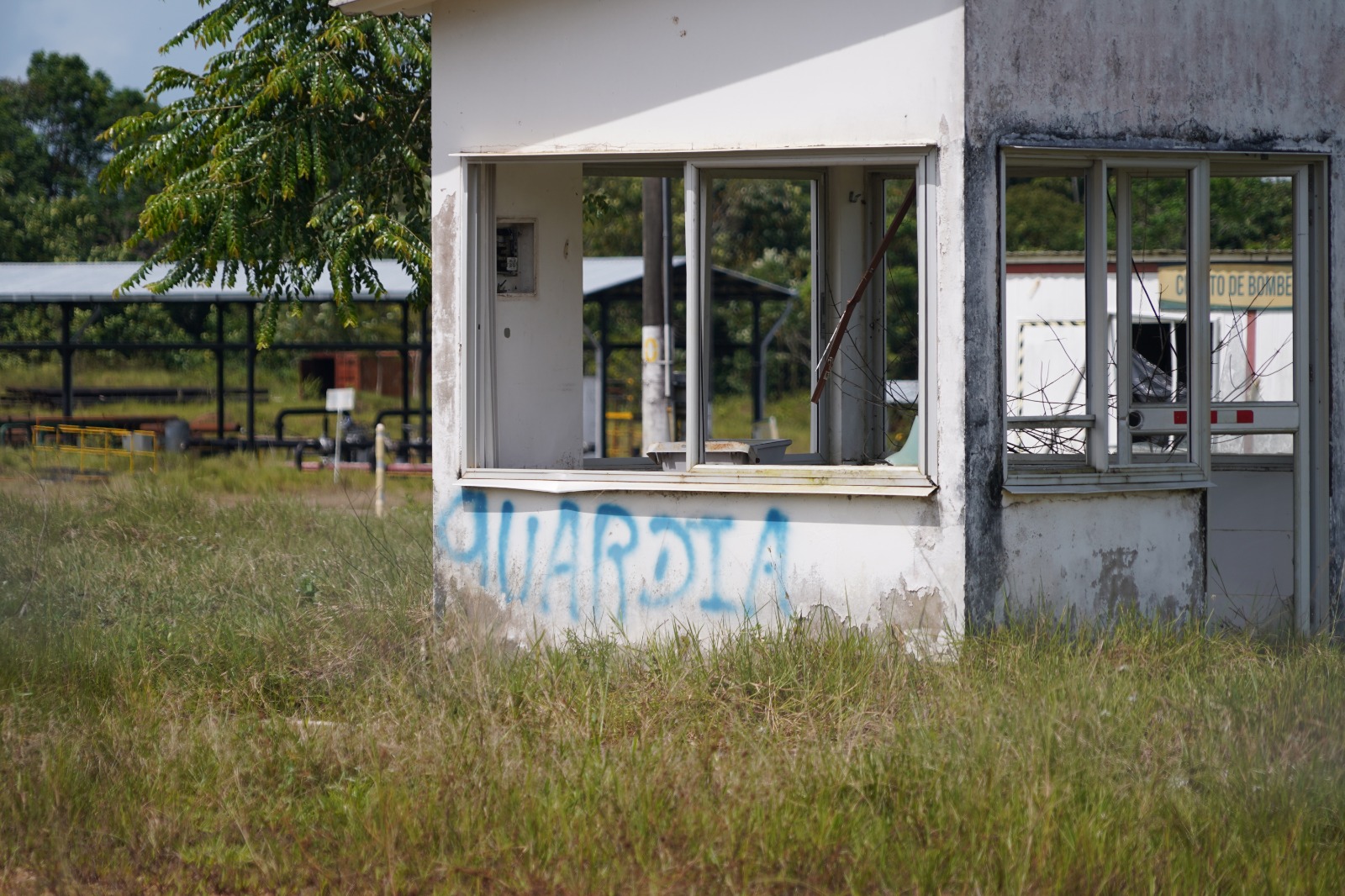
According to ANLA records, the operator drilled more than 30 wells for production. One of them is still vividly remembered by the residents of Los Pozos. The Capella 1 well was located 30 kilometres from the town centre and is where Emerald Energy used to produce up to 240 barrels. But the oil company’s activities began to create tensions in the area.
“The bucket filled up, drop by drop, until it burst. There was a constant sense of outrage among small farmers regarding, on the one hand, oil exploitation, and on the other, the decline in environmental stewardship, which is crucial for organized communities in San Vicente del Caguán. The tension had been building steadily.”
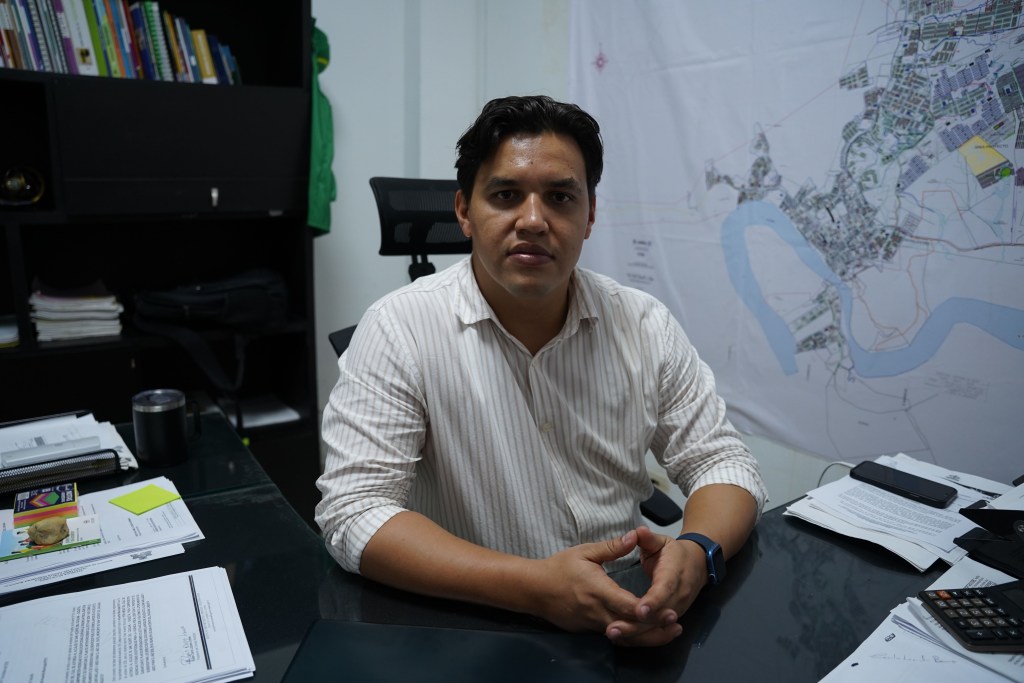
There was a constant sense of outrage among small farmers regarding, on the one hand, oil exploitation, and on the other, the decline in environmental stewardship, which is crucial for organized communities in San Vicente del Caguán. The tension had been building steadily
Camilo Losada, Municipal ombudsman of San Vicente del Caguán
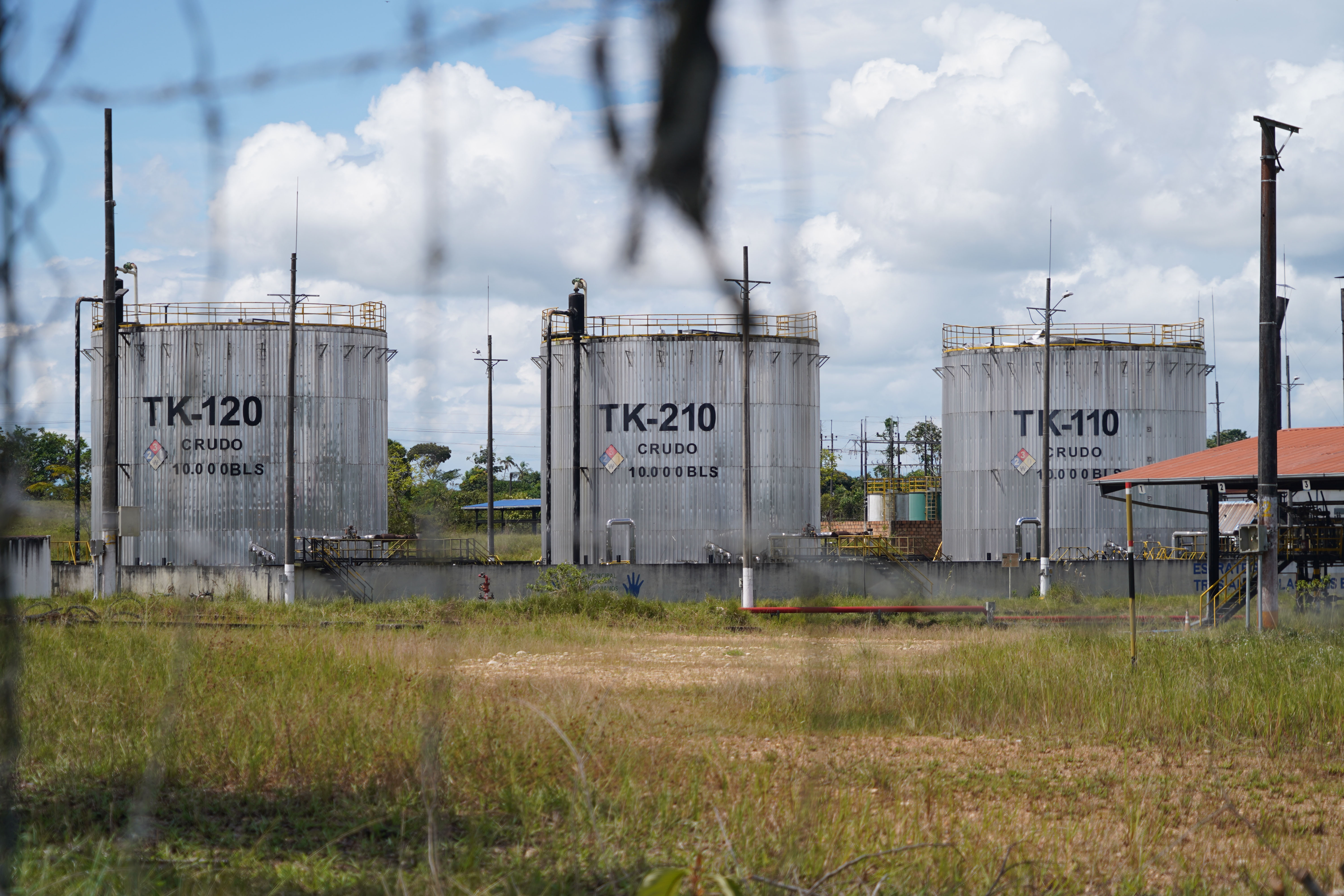
Camilo Losada is San Vicente del Caguán’s municipal ombudsman and uses his position to safeguard the community’s rights. Here he is referring to what the locals still call the “social uprising.” After months of protests against Emerald Energy, in March 2023 there were esplosions and looting. The company’s huge cylindrical crude oil storage tanks were set on fire. There were also clashes between protesters and security forces of the Dialogue and Order Maintenance Unit (Undemo). Three people died.
The episode divided the population, halted Emerald Energy’s operations, and opened the door for the company to sue the State.
The oil boom in a key area of the Amazon
The area where the Ombú Block is located lacks land-use regulations, as confirmed by a Cormacarena official to El Espectador. It does not have an environmental management plan either. This may have facilitated the company’s access to hydrocarbons extraction in the AMEM.
In fact, as revealed a few months ago in an Earth Insight report, there are at least 14 million hectares of oil and gas blocks in the Colombian Amazon, equivalent to 28% of the biome. “Oil and gas production is already taking place in blocks that cover 240,000 hectares,” the organization noted.
After more than a decade of operation, the case of Emerald Energy began to reach a boiling point. From his office at the Municipal Community Centre, ombudsman Losada recalls that “there were numerous complaints from various sectors near the wells, saying that water use directly impacted the communities’ basic needs. I clearly remember cases where homes and farms were left without water due to the oil company’s activities.”
The concerns raised about Emerald Energy were included in ANLA’s 2024 update of the AMEM regional analysis. According to that document, there was an “alleged physicochemical alteration in the water from a supply well” near its facilities. There has also been “alleged impact” on water resources due to the reinjection of the water obtained along with the oil and the treatment of drilling waste – rocks and mud – that could contain chemicals.
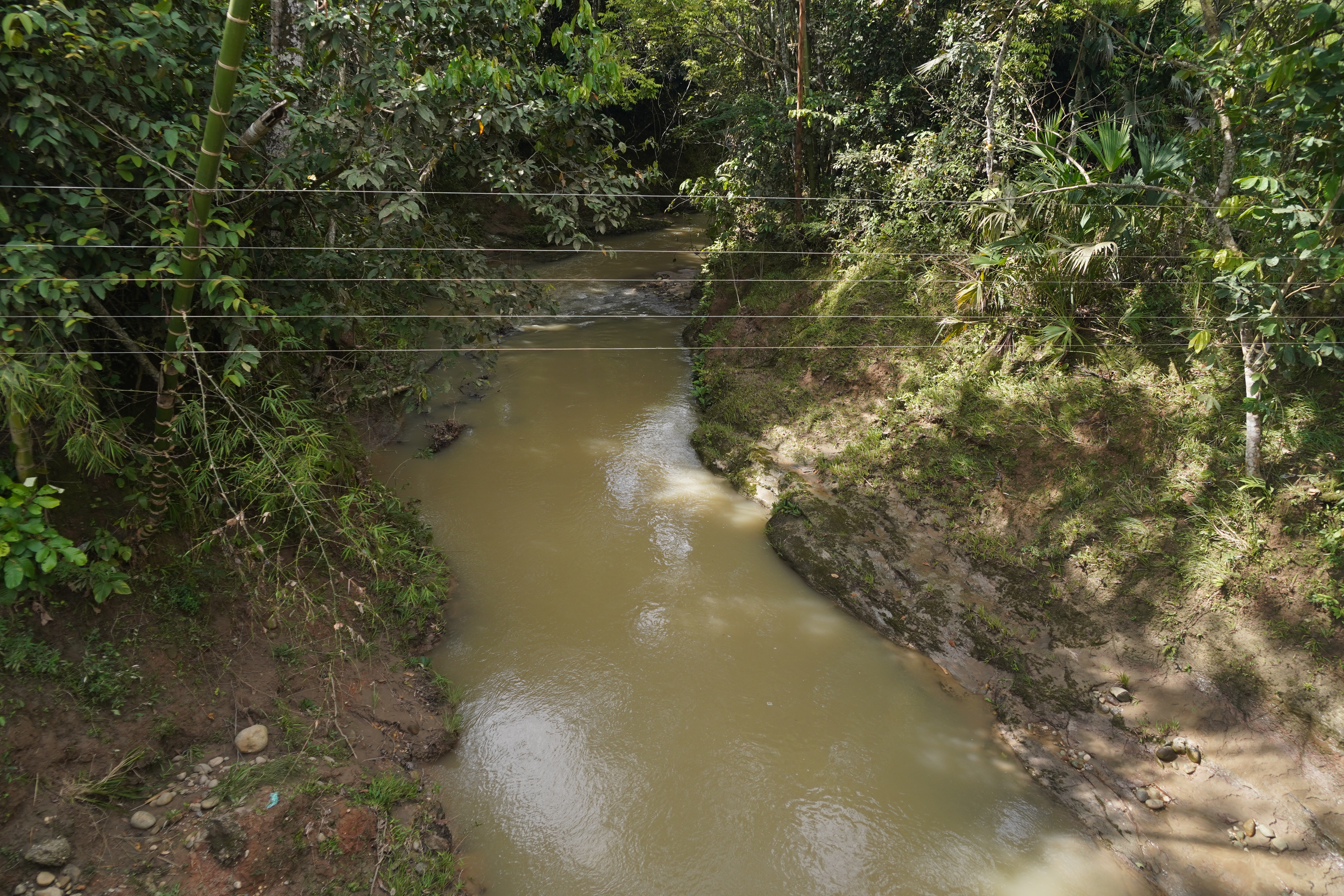
As stated in another section, in November 2022, five months before the “social uprising,” ANLA had received a request from San Vicente del Caguán authorities to suspend the water reinjection method that was used in one of the fields of the Ombú Block. They feared it would affect surface and groundwater.
Another technical document from ANLA, dated May 31, 2022, reported an incident involving a spill in the Corralejas sector, on the road connecting San Vicente del Caguán and Los Pozos, which originated from a tanker truck. The agency indicated that the event affected water resources and soil. However, it explained that this occurred outside the licensed area of the Ombú block and that timely measures were taken to address the affected area.
In any case, a segment of the municipality’s population was increasingly concerned about potential impacts of oil exploitation in the area. Dabián Peña, legal representative of the Association of Community Villages for the Development of the Region (ASOREGIONAL), for example, explained that the oil operation was located at the headwaters of many water sources. Raúl Ávila, a spokesman for the Southeastern Colombia Coordinating Committee for Agrarian, Environmental, and Social Processes (COSCOPAAS), which gathers more than 40 organizations from the departments of Caquetá, Meta, and Guaviare, told the news outlet Verdad Abierta a similar story days after the “social uprising.”
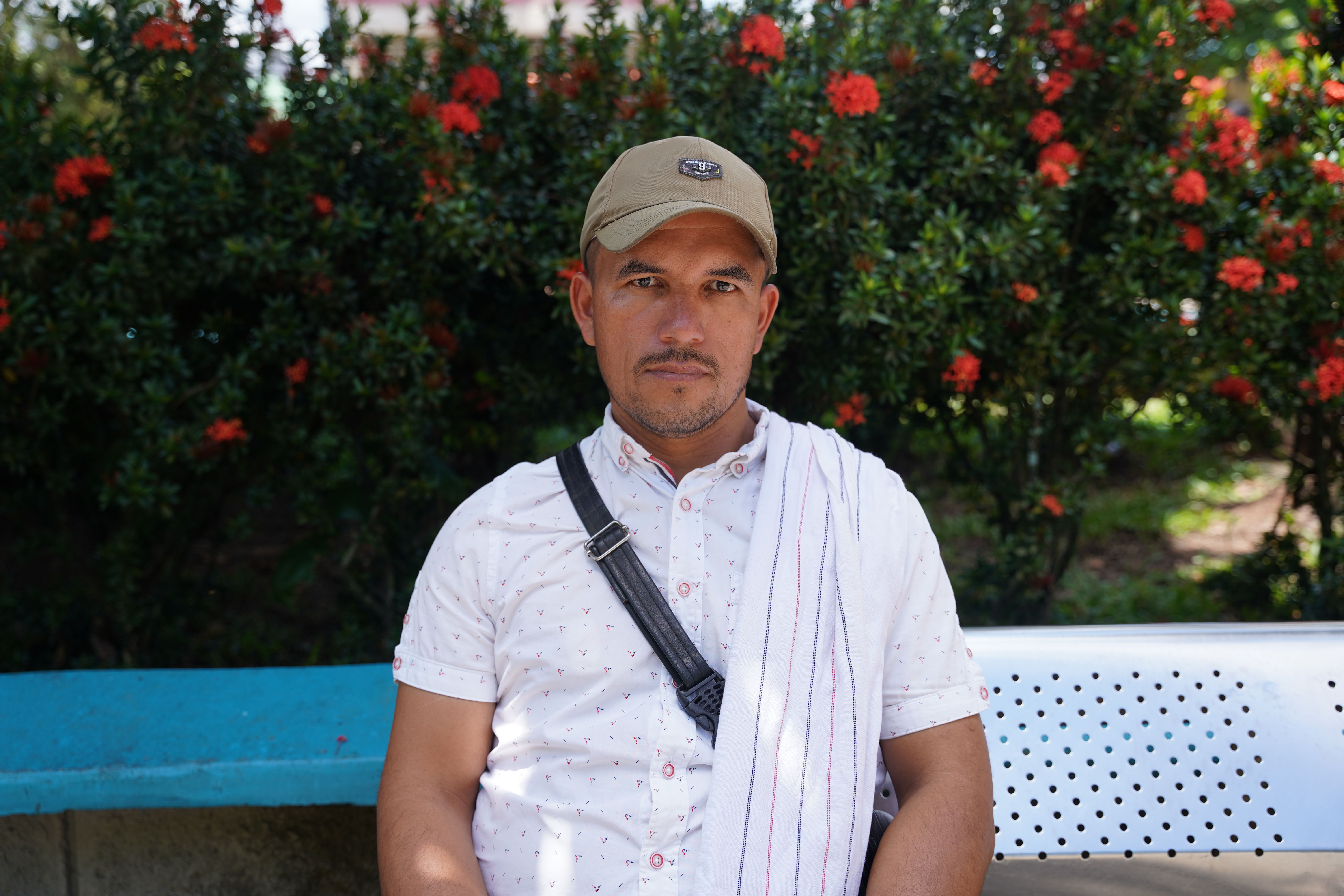
“The company is located at the headwaters of El Águila, El Tigre, La Cristalina, La Viuda, Los Lobos, La Guadualosa and other smaller streams, which form the Tunía, Losada, and Caguán rivers,” he said. For this reason, they were demanding compensation for nearly 200 communities belonging to the organizations Asoregional, Corpoayari, Asocampo, Ascal-G, and Asopeproc.
With the “uprising” of March 2023, the municipal government of San Vicente del Caguán issued a red alert for pollution. “Due to recent events at the Capella platforms in the Los Pozos and Bruselas areas, chemical spills have occurred that could contaminate nearby water sources. We recommend that landowners build some type of containment barrier, such as earthen dikes, on the properties where the spills have occurred. In case of water contamination, refrain from consuming water from these sources,” the agency warned.
ANLA also confirmed the impact of the explosions that occurred at that time in the tanks storing hydrocarbons, solvents, gases, and toxic vapours: “According to the reported information, a crude oil spill was observed at the Capella A location with no specified amount, as well as a spill of the substance AFFF at the Capella S and Z locations. This situation, combined with rainfall, caused dikes to overflow and affected water sources.”
Following the incident, Emerald Energy requested that Colombia’s National Hydrocarbons Agency (ANH) suspend the Ombú Block contract for three months. The company then asked for an extension until February 8, 2024, but operations have not yet resumed. It is hard to know what decision the company will make this year – despite our repeated requests to interview a spokesperson, we were unable to reach them. ANLA has indicated that, even though Emerald Energy’s projects are suspended, it must guarantee compliance with disaster risk management regulations.
The truth is that today, San Vicente del Caguán residents’ views on the role played by company role in their region are still divided. While some prefer to keep it far from their territory, others recognize that the oil boom gave an economic boost to a region that Colombians often associate with the failed peace process between the government of Andrés Pastrana (1998-2002) and the FARC guerrilla group.
When Emerald Energy’s operations were suspended, “a large number of families lost their jobs,” says Margot Molano, a nursing assistant at the Los Pozos health centre, where the “uprising” took place. “When the company was operating, we used to have an ambulance, which they hired to provide services not only here, but also in several nearby rural communities.”

When the company was operating, we used to have an ambulance, which they hired to provide services not only here, but also in several nearby rural communities.
Margot Molano, nursing assistant at the Los Pozos health center
The road of discord
Both Peña and Losada now believe that the 2023 “social uprising” was partly caused by the conditions of the road connecting the municipal seat of San Vicente del Caguán to Los Pozos. Due to the damage caused by more than 30 tanker trucks a day, the communities asked the “company and other relevant government agencies to pave this important road,” as reported by ANLA.
According to the organization’s analysis about the region, “the failure to carry out road repairs has led local residents to oppose the company’s presence and the development of hydrocarbon extraction activities.”
Asoregional leader Peña explains that the road is very important as it connects San Vicente del Caguán with the municipality of La Macarena, in the department of Meta. “It has high traffic volume of all types of transport, from heavy cargo to passenger vehicles.” The communities were asking Emerald Energy to contribute to repairing the road.
The poor conditions of the road are now evident. On the way to Los Pozos, only a stretch of approximately one kilometre is paved. Erik Vargas, who provides transportation services in San Vicente del Caguán and frequently travels through the area, recalls that it was precisely on that “hill” that the company’s tanker trucks used to get stuck. “That’s why they paved it,” he says.
Repairing the road was one of the points established in the Los Pozos Agreement, signed by the government along with several regional leaders after the “uprising.” The promise was to pave the road in stages. They would start with ten kilometres in six months, while “studies and designs, with greenway protocols would be completed for the remaining 32 kilometres.” But so far that promise remains unfulfilled.
To maintain the road and halt its constant deterioration, the communities installed an “informal toll station,” charging 8,000 Colombian pesos (about two dollars) from pickup trucks traveling from San Vicente del Caguán to Los Pozos or beyond.
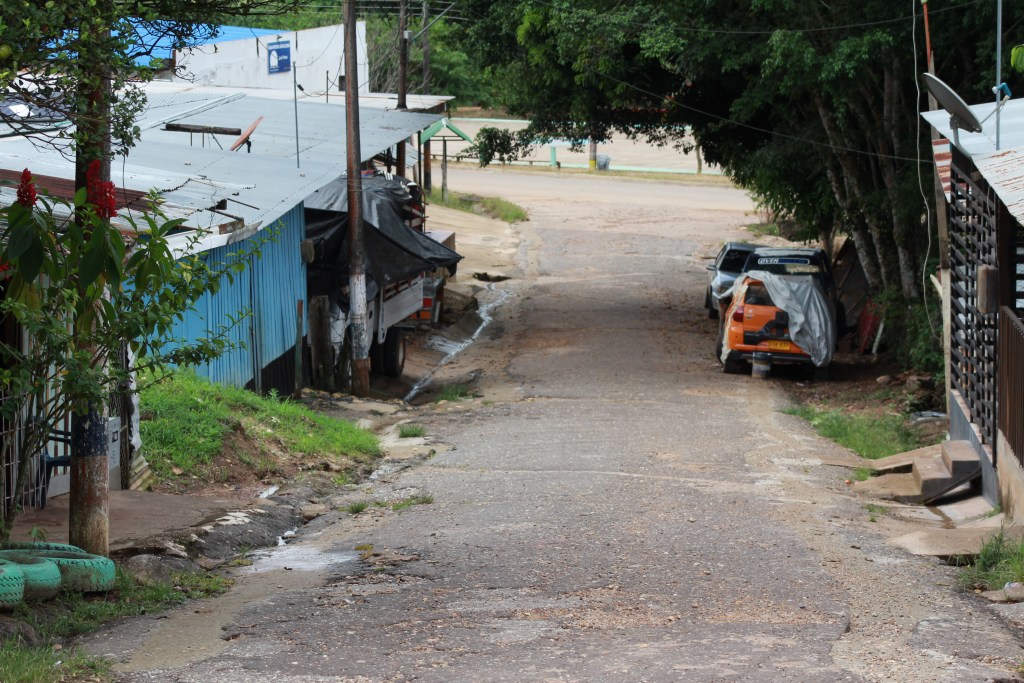
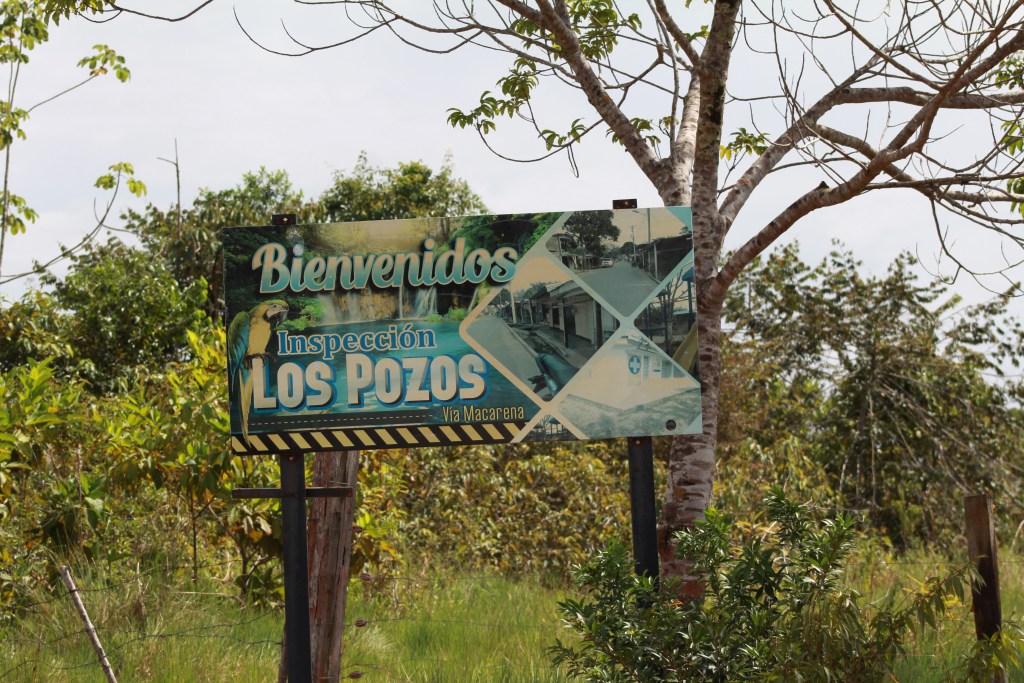
The other question on the table concerns compensation for the impacts that Emerald Energy would have caused to the ecosystem. ANLA had ordered the company to reforest “areas within the Caquetá and Caguán River basin with protective species.” To meet that requirement, the company acquired an area of more than 100 hectares, where there is something quite different now: it is home to an illegal settlement of families, as confirmed to this newspaper by several sources.
“These are people who have no housing or livelihoods,” explains Los Pozos rural police inspector José Reynel Gugu. “They settled on that property, and the authorities are analysing how to address the situation. There are approximately 90 families; that’s a lot of people, so it’s a complex issue to resolve.”
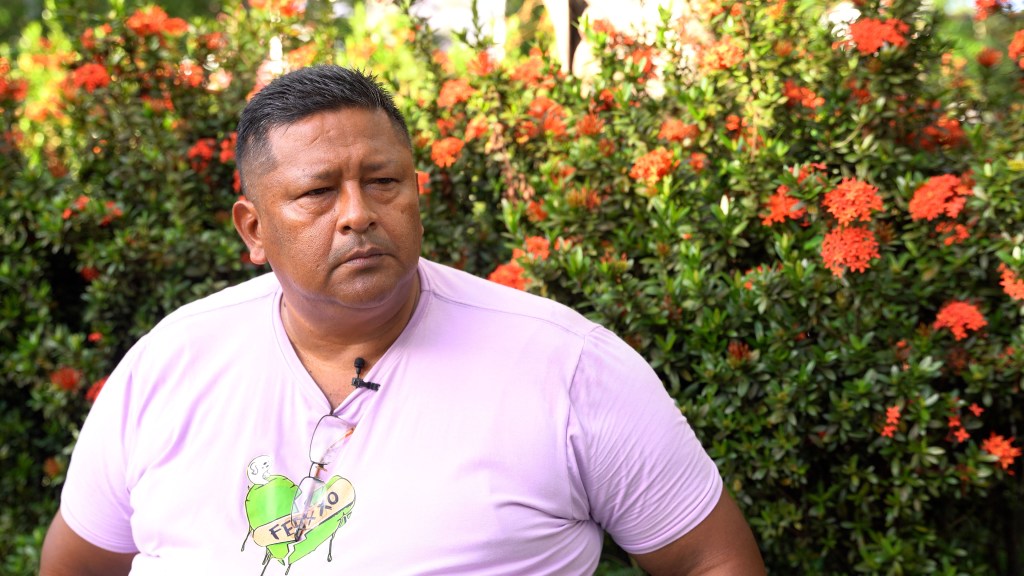
Another concern that arises in conversations with lawyers in the oil sector when the Emerald Energy case is mentioned is whether the company will sue the Colombian state for what happened in 2023 and the resulting pause in oil extraction.
Awaiting a lawsuit
José Esteban Bello is a lawyer specializing in mining, hydrocarbons, and natural resources. Analysing the Emerald Energy case in San Vicente del Caguán, Bello says the company has grounds to demonstrate that it had to suspend its obligations because the State has failed to guarantee public order.
The company, he adds, could argue that Colombia “is experiencing a series of absences, negligence, and omissions that make it impossible to carry out the contract it signed. We are at a huge disadvantage.” Bello suggests that Emerald Energy could even take the case to bodies such as the International Centre for Settlement of Investment Disputes (ICSID).
Another lawyer specializing in the hydrocarbons industry, who prefers to remain anonymous, points out that, having signed a contract with the Colombian government, Emerald Energy is also protected by Colombia’s international investment agreement with China. He even asserts that the company “can sue not only for damages to its facilities, but also for lost profits due to suspended production activities.”
“The worst a state can do in this type of situation is inaction,” he says, referring to Colombia’s passive approach to the matter. “The longer it goes on, the more it benefits the investor.”
Should Emerald Energy choose not to pursue this course of action and decide to resume oil extraction in the Amazonian region, another long-standing dispute would remain unresolved: the village of Los Pozos, where it used to exploit crude oil, is precisely on the border between the departments of Caquetá and Meta, sparking arguments between the authorities of those territories.
The reason? Royalties, that is, the money each hydrocarbon company must pay the Colombian state for extracting non-renewable resources. According to the ombudsman of San Vicente del Caguán, that was another reason for the tensions in the region, as no governor wants to lose the oil revenue.
This is not the only problem plaguing this Amazonian region. In 2024, San Vicente del Caguán had the second deforestation rate among Colombian municipalities: 9,019 hectares were affected, roughly equivalent to 12,600 football fields. Cartagena del Chairá, also in Caquetá, ranked first, losing 10,375 hectares of forest.
Investigative reporter: Catalina Salabria
Data analysis: Leopold Salzenstein, Dafni Karavola, Alexandre Brutelle, and Yann Philippin
Local data analysis: Renata Hirota
Data visualization: Carolina Passos
Editing: Sergio Silva Numa
Editorial direction: Juliana Mori
This story is part of the series “Fueling Ecocide”, developed by EIF, a global consortium of environmental investigative journalists, in partnership with the European Investigative Collaborations (EIC) network, and their partners Daraj, InfoAmazonia, InfoCongo, Der Standard e The Bureau of Investigative Journalism.
This investigation was supported by the Journalismfund Europe and by IJ4EU (Investigative Journalism for Europe).