



Conference expands participation of peoples and movements and recognizes rights in UN agreements but still has to confront fossil fuels, critical minerals, megaprojects, and violence in the territories.

Posted innews / COP30
False Climate Solutions Advance in the Amazon as COP30 Discusses the Planet’s Future
In Belém, public hearings symbolically tried 21 cases of socio-environmental violations. Experts warn: greenwashing has become more sophisticated and turned into a disinformation strategy.

Posted inInterview / COP30
Women Environmental Defenders from the Amazon and Africa Draw Parallels from the Frontlines of the Climate Crisis at COP30
Juma Xipaia and Joanita Babirye, two leaders from the Global South, report on violence, funding barriers, and the erasure of women in climate policy— and advocate for the conference to recognize those who support real solutions in the territories.
Posted innews / COP30
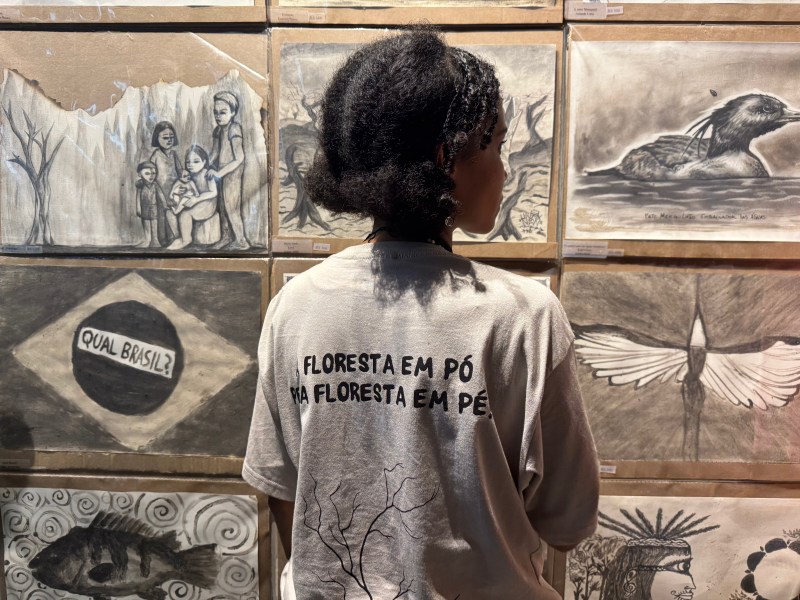
Environmental Defenders from the Global South Show Why Climate Justice Starts with Funding
While countries in Latin America, Africa, Asia, and Oceania account for the majority of murders and threats against environmental defenders, donors still hesitate to fund comprehensive protection networks.
Posted innews / COP30
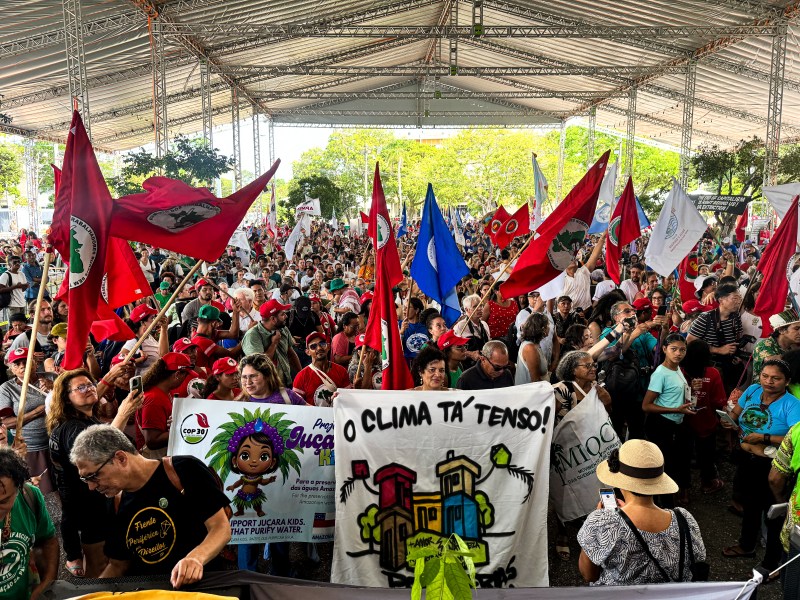
People’s Charter delivered to the COP president after mobilization gathering thousands in Belém
Document lists demands drawn up over a week of debates. André Corrêa do Lago pledged to take it to official negotiations.